
(Updated 12:20 a.m.) Before the coronavirus, Reade Bush’s son was a talkative child with autism and ADHD who loved school and his friends.

But the pandemic changed the world and in turn changed him. Without a routine and social opportunities, his son created an imaginary world “with 52 friends.” By summertime, he struggled to distinguish his real world from his imaginary one. He began hallucinating.

“On his ninth birthday, he asked me, ‘Daddy, can I die for my birthday?'” he recounted to some members of the U.S. House of Representatives’ Labor and Education Committee last Thursday. Encouraged by another APS parent, who had connections on Capitol Hill, Bush told members of the Early Childhood, Elementary and Secondary Education Subcommittee about the ways COVID-19 has impacted students with disabilities.

Public school systems are required by law to provide to students with disabilities the specialized instruction and therapeutic services they need to learn alongside their non-disabled peers where possible. Using his family’s story, Bush told the committee that virtual instruction has made it almost impossible to meet that charge.

Arlington Public Schools, which shut down in March 2020, started the 2020-21 school year with four days of distance learning and one planning day. By November, some students with disabilities could return for in-person learning supports. Since mid-March, students across all grade levels have trickled back for two days of in-person instruction.

This fall, 95% of students will be enrolled for five days a week of in-person instruction, something administrators have repeatedly told families and School Board members that they will deliver. But Bush said his son and and his daughter, who has cerebral palsy, have regressed academically and socially and should have been given in-person instruction sooner.

Over the last year, many parents have recounted stories of their children losing their love of learning. But for Bush, his son lost more than that — he lost sleep, social skills and his grip on reality.

“We feel like we have lost our son,” he tells ARLnow.

Bush and his wife recorded and sent to administrators videos of their son and their daughter struggle to engage with their teachers. He praised his kids’ teachers, therapists and school building-level administrators for “trying to make lemonade from lemons” but Bush had to work nights and his wife had to quit her job to support their children from home.

The parents aimed to get students with disabilities face-to-face with teachers and peers. Bush advocated for this during meetings with teachers and administrators, School Board office hours and Arlington Special Education Advisory Committee meetings.

“We were told, ‘There’s nothing we can do,'” he said.

Meanwhile, his son’s condition worsened, landing him in Children’s National Hospital for four days. After running numerous tests, doctors concluded the child’s autism had worsened due to social isolation.

Doctors prescribed four medications, but said “what he needed most was to return to full-time, in-person learning so that he could begin to solidify his identity with real, in-person teachers and peers,” Bush told the subcommittee.

Bush told ARLnow that three doctors wrote to administrators asking for his son to be placed in an in-person private special-education school. (When local public schools cannot meet children’s needs, it can use state funds to place them in a specialized school).

He said administrators denied his multiple requests in part because his son would only be socializing with students with disabilities. Where possible, another federal statute requires schools to place disabled students with non-disabled peers.

His son instead learned from an iPad in a classroom alone, save for a staff member who helped him, he said.

“In November, we brought in our most vulnerable students with disabilities population to immediately help provide support to access virtual instruction and as soon as we could staff it and tried to provide in-person instruction to the extent possible,” APS spokesman Frank Bellavia told ARLnow this morning. “While some support was provided by special education assistants and Extended day staff, we worked hard to provide training to the staff that supported [these students].”
(more…)


Looking to be closer to the government and defense fields, Boston-based Northeastern University is eyeing some space in Rosslyn.

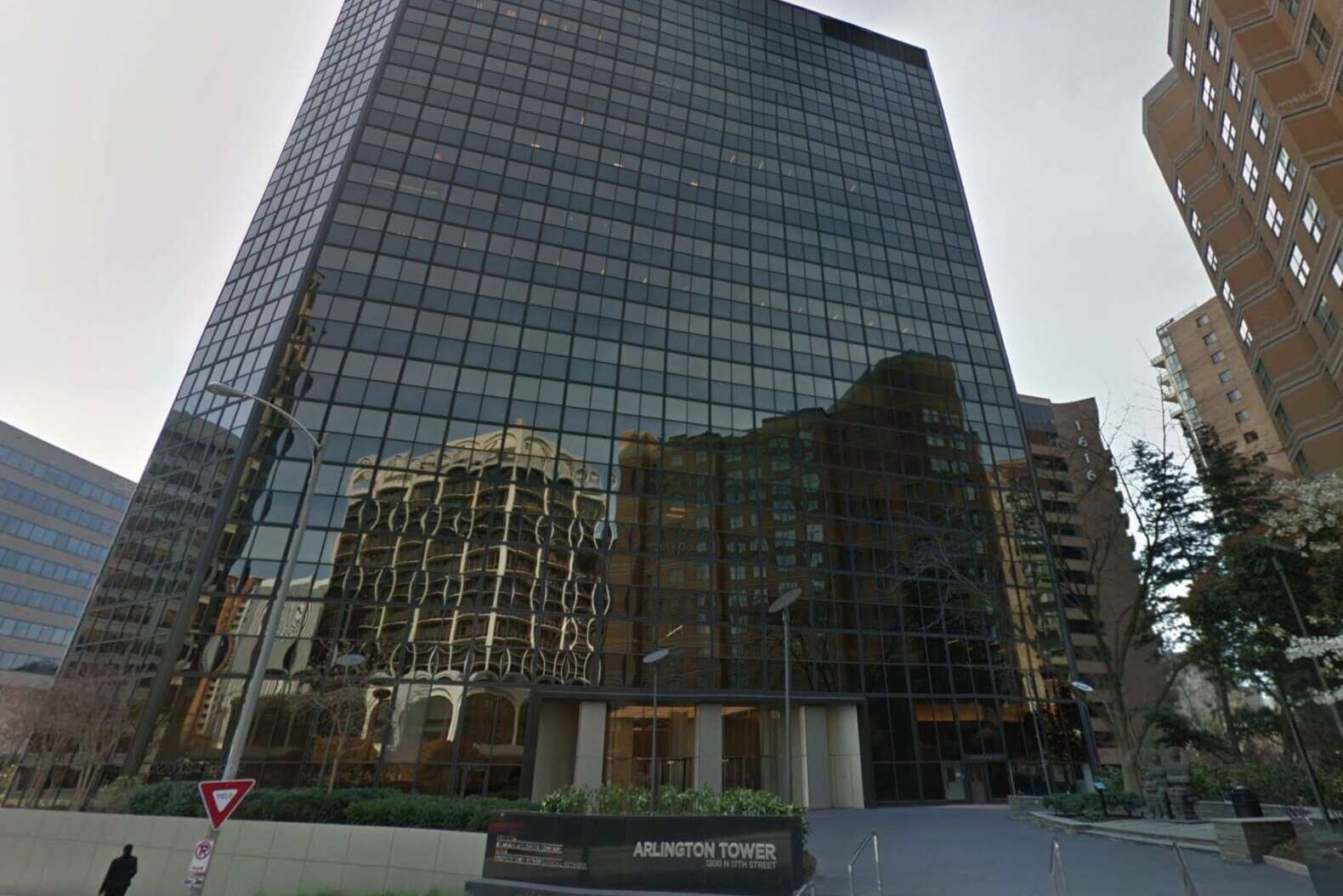
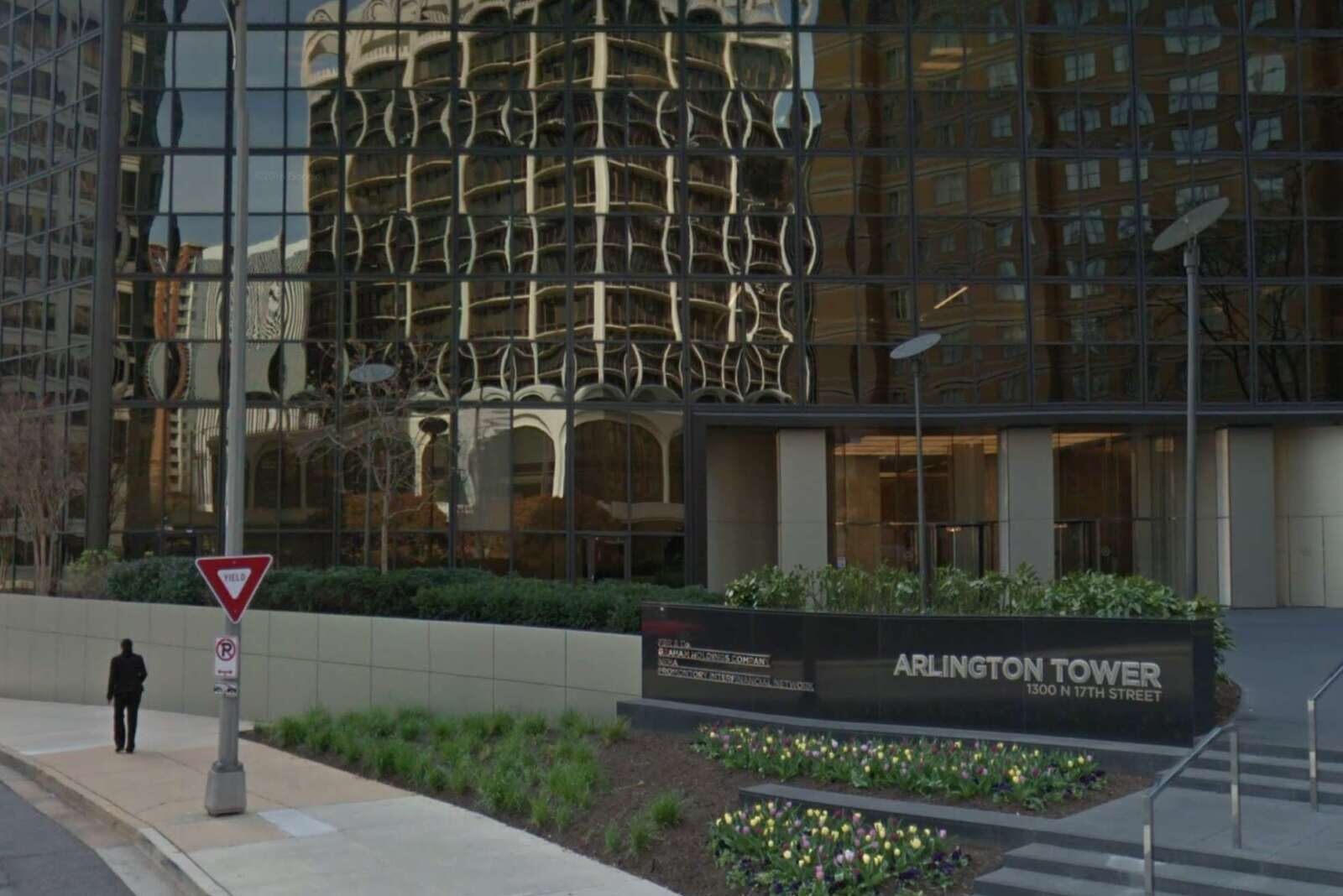
The university is looking to convert the 14th floor of Arlington Tower (1300 17th Street N.) into a teaching space for graduate-level classes and a research space that will house The Kostas Research Institute for Homeland Security.

Matthew Weinstein, a land use attorney with McGuireWoods who represents Northeastern University, said in a letter that the university “seeks to establish an operation at the property as a central location for mission-driven programs including defense-based programs, benefitting from close proximity to government customers.”

Arlington County’s Department of Community Planning, Housing and Development has determined the research use still classifies as office use, according to a letter included in a staff report. To use the other half of the 14th floor, totaling 8,500 square feet, for teaching, NU needs the approval from the County Board.

The County Board is scheduled to review the school’s request during its regular meeting this Saturday.

Currently, the 18-story, 411,679-square-foot Arlington Tower is zoned for commercial uses, not including higher education, according to the staff report. But converting the space will only involve minor interior renovations, according to the county.

“No objections from the community nor staff have been expressed,” the report said. “As the proposed conversion is not located on the ground floor, it does not remove any retail spaces nor have any impact on the exterior appearance of the building.

The report added that the offshoot of Northeastern will bring “new visitors to the Rosslyn area during off-peak hours, potentially creating new customers for Rosslyn-based business.”

Most of the classes will be held Monday through Friday evenings and Saturday mornings and early afternoon, according to the county.

The 14th floor of Arlington Tower was most recently home to former President Donald Trump’s reelection campaign office, which was temporarily shut down last summer due to a coronavirus outbreak. Trump previously bragged that the lease on the office space “was a steal.”

Image via Google Maps


(Updated 4:50 p.m.) The School Board approved a $700 million budget for the 2021-22 school year during its meeting on Thursday evening.

These funds will support both full-time in-person instruction and a distance education option for Arlington Public Schools students this coming fall and next spring. More than 24,000 students are projected to be in-person this August, according to APS.

The budget was pieced together with an ongoing county transfer of $527 million, a one-time transfer of $2.8 million, $3.5 million in carry-over funds from the 2020-21 school year, state and federal funding, and the use of $19.5 million in reserves. It is enough to keep APS in the black in the short term, according to Board Vice Chair Barbara Kanninen.

“This budget is going to be balanced, but going forward, we are carrying a deficit into next year,” she said.

It also takes into account lower enrollment than initially expected for the next school year, which was revealed just two days before the meeting.

When news dropped on Tuesday that about 2,000 students who left APS over the last year will not be returning, School Board members asked the school system to adjust the budget for reduced enrollment, expressing hope that it would help resolve a looming $11 million budget deficit.

After consulting with an enrollment expert, APS administrators offered an alternative budget that estimated 525 fewer students. The School Board voted 4-1 — with board member Reid Goldstein dissenting — to account for the more conservative projected reduction in enrollment. (Goldstein said he believed APS could make deeper reductions.)

“To provide any larger of a reduction would give a much greater weight to the 2020 enrollment than [the expert] felt would be practicable because this year is an anomaly,” said Leslie Peterson, Assistant Superintendent of Finance and Management Services.

This change to the budget saved the school system nearly $3.5 million, or nearly 37 full-time employees that APS would otherwise need to hire. APS is setting aside $500,000 of that savings to hire more staff if real enrollment is higher this fall.

“I believe this puts us in the situation of, I hope, almost similar to a freeze so that we are able to keep the current staff as much as we can in the building,” Board Chair Monique O’Grady said. “This will have an impact on hiring additional staff, but hopefully, we can keep current staff in place while saving us dollars in the middle of a tight budget scenario.”

Superintendent Francisco Durán, the outside enrollment expert and administrators did not support the lower enrollment projection, which they said does not account for high birth rates in Arlington in 2016 — children that are coming of elementary school age — or an increase in housing, among other factors included in enrollment projections.

With the new budget, the school system will be be increasing classroom sizes by one student for grades K-5, saving APS $1.8 million and the equivalent of hiring nearly 21 full-time employees.

In response to concerns from a handful of parents, the School Board used reserve funds to restore $85,000 in the budget, nixing a proposal to remove one copier from each school. The parents, Kanninen said, were concerned that fewer copiers would mean less pencil-and-paper work and more screen time.

“Even before the pandemic, we were making transitions to digital learning materials and other manipulatives to help students grasp concepts,” said Bridget Loft, Assistant Superintendent for Teaching and Learning. “While there would be some impact, the expectation is it would not be catastrophic or a game-changer, particularly since we’ve been engaged in moving in a different direction away from paper-based materials.”

Only Goldstein voted against the amendment, saying that he believes staff when they say it will not impact instruction.

(more…)


Sponsored by Monday Properties and written by ARLnow, Startup Monday is a weekly column that profiles Arlington-based startups, founders, and other local technology news. Monday Properties is proudly featuring 1812 N. Moore Street in Rosslyn.

The landscape for tech jobs is changing, according to a new study from the Computing Technology Industry Association (CompTIA).

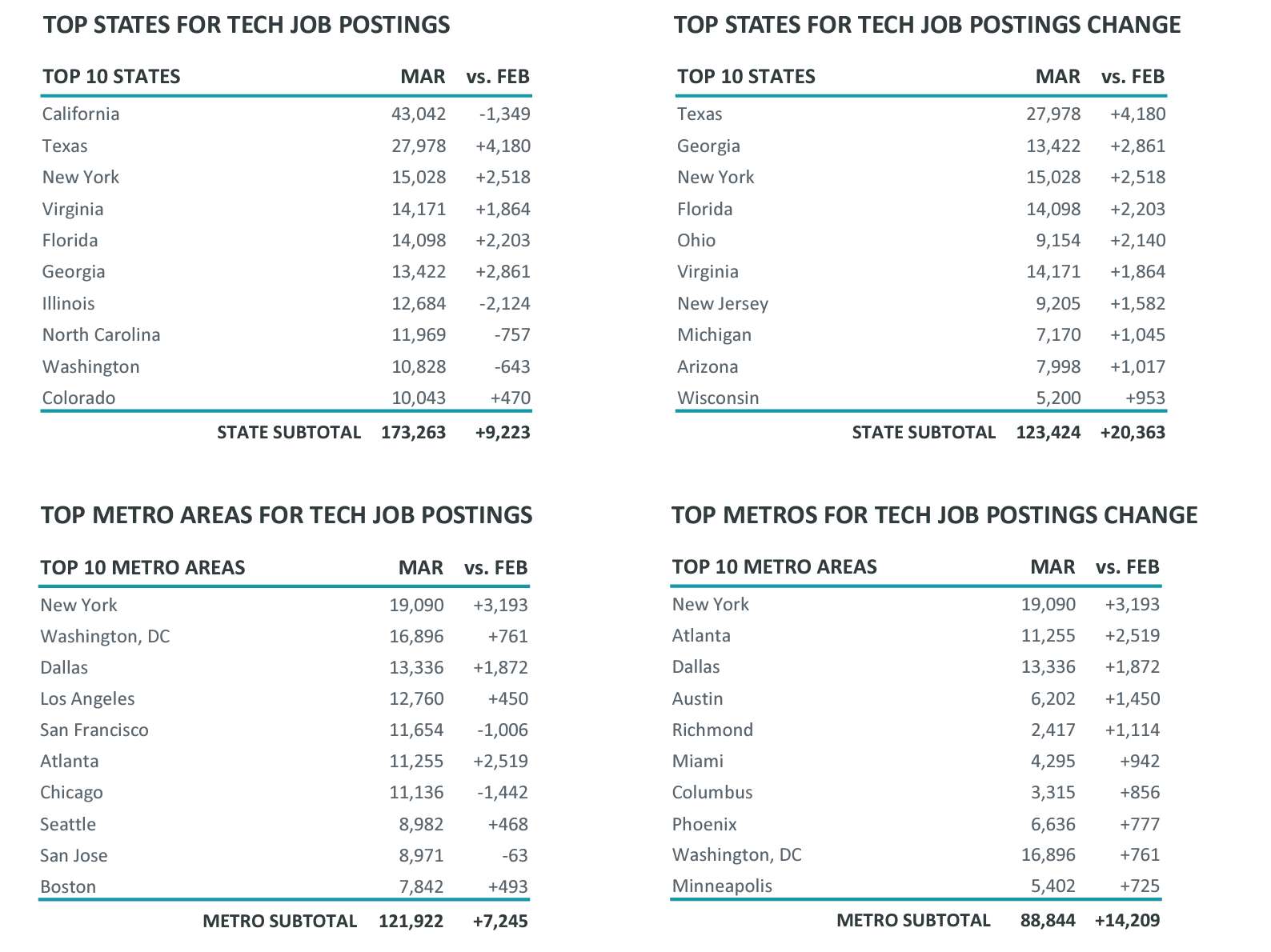
Although California still enjoys the No. 1 position for job postings, it is losing jobs while openings surge from Texas to Florida.

Virginia continues to hold its own as a hub for tech talent and jobs, coming in fourth for overall tech jobs and Artificial Intelligence jobs posted in March. Job postings increased enough from February to land the Commonwealth in the sixth, while it ranks eighth for work-from-home positions.

“While Virginia does not rank among the states with the highest tech industry employment growth rates over the past five years, this is largely due to the fact that the Commonwealth of Virginia already has a very large tech industry,” Suzanne Clark, a spokeswoman for the Virginia Economic Development Partnership, said. “States that have seen the most spectacular growth in tech industry employment are by and large ones that began with very small tech industries.

Clark said the organization wants to see more economic diversification in the form of more private sector — as opposed to public sector — tech jobs.

“Much of Virginia’s underperformance in tech sector growth is attributable to our over-reliance on the federal government for tech sector jobs,” she said.

Arlington is doing its part to sustain Virginia’s tech job growth, according to Arlington Economic Development. The county’s tech industry is expected to stay ahead of the growth of the tech industry nationwide over the next five years, said Kirby Clark, a spokeswoman for AED.

“Arlington maintains its competitive edge for tech talent with its highly educated workforce, above-average millennial workforce participation, a cluster of higher education institutions and proximity to innovative government agencies,” she said.

Arlington’s tech industry grew by 19.3% from 2015 to 2020, nearly 4% more than the national average. It is expected to grow by 15.6% over the next five years, compared to the expected national growth of 14.7%, the AED spokeswoman said.

Last year, Arlington’s top industries included computer systems services and technical consulting services, sectors she said are poised to continue growing.

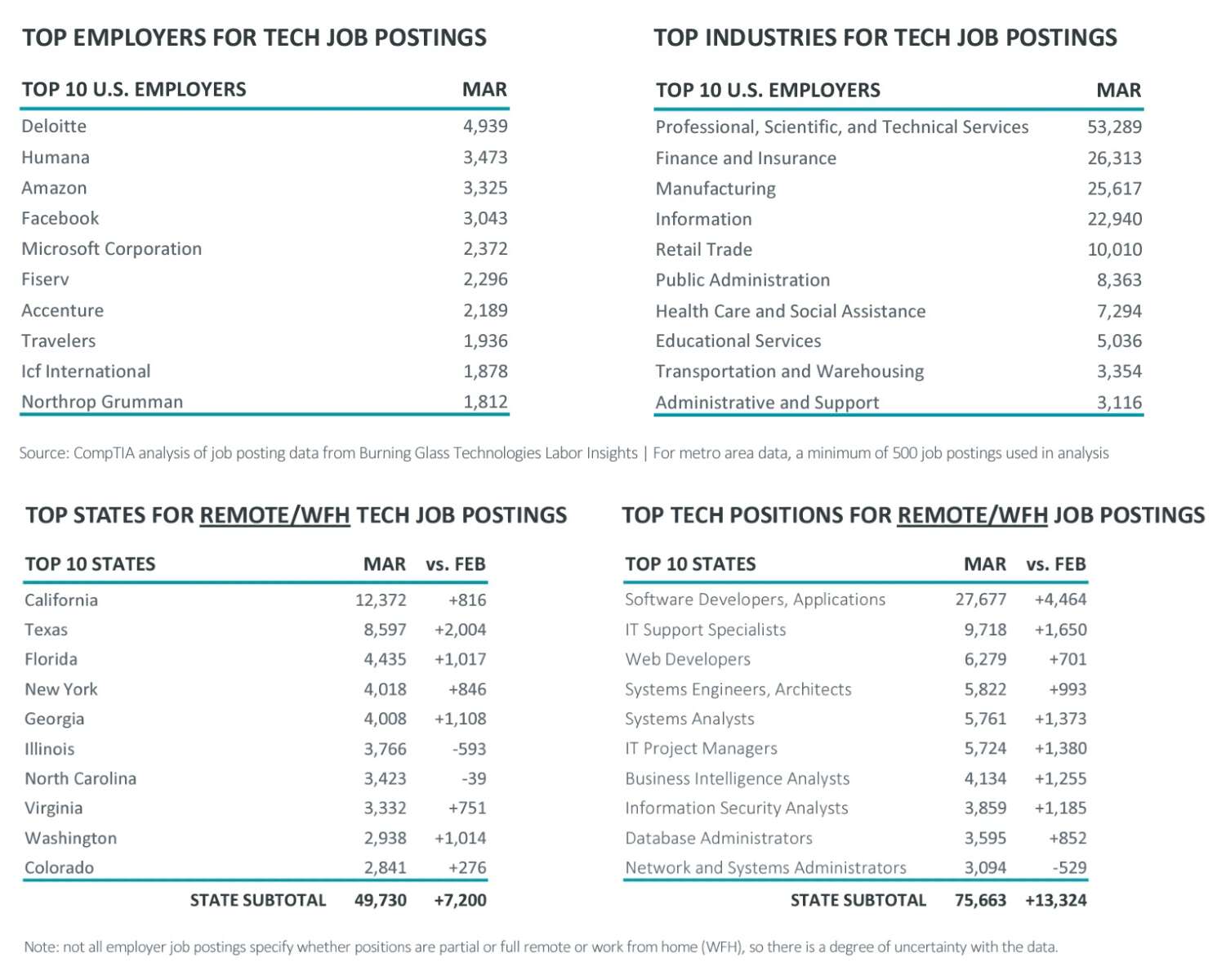
Many of the employers with the most job postings in March have headquarters or prominent outposts in Arlington: business and tech consulting group Deloitte has a space in Rosslyn, Amazon is moving into its HQ2 in Pentagon City, consulting group Accenture has three spaces in the county, including a cybersecurity center, while another consulting group, ICF International, has an outpost in Crystal City.

The local Deloitte office is also driving a 361-position increase in AI jobs in Arlington, with its recent announcement that it will launch a new AI research center to advance federal work, Clark said.

“Demand for AI professionals has grown substantially since 2017, when there were 165 total AI jobs posted in Arlington,” she said. “Fast-forward to 2020, there were 1,172 AI jobs posted in Arlington.”

The VEDP spokeswoman said the demand for people with AI skills in Virginia during the past year was more than twice the national average.

Nationwide, thousands of tech jobs are remote opportunities, and Kirby Clark said AED is dedicated to ensuring Arlington remains an attractive place to work from home.

“Many employers intend to adopt a hybrid work model following the pandemic, making Arlington well-positioned to remain a hub for companies by enabling them to offer an attractive home and work environment in a single setting,” Clark said. “Whether working at an office or home, Arlington will continue to provide an outstanding quality of life that attracts people to live here.”

The VEDP spokeswoman, meanwhile, said the organization expects hybrid to be the new norm as well, which could help lift up the state as a whole, not just its large metro areas.

“Capitalizing on tech telework positions is also an important opportunity for rural and small metro regions that might not have been first in line to land tech jobs in the past,” Clark said.

Charts via CompTIA 


With COVID-19 cases trending down, vaccines being distributed and restrictions loosening, County Board Chair Matt de Ferranti says his focus is starting to shift toward Arlington’s economic and social recovery.

“There is more work to do on the pandemic but recovery has already begun,” he said.

And Arlington County, by his assessment, is in a fairly strong place financially — in some ways, he said it is in a better place than when numerous federal agencies and military offices decamped from Pentagon City and Crystal City starting around 2005.

Arlington will receive $23 million this year and next year through the federal American Rescue Plan, some of which will be used to return funding for affordable housing and hunger prevention programs that had been on the chopping block from the 2022 budget. The new budget, as passed, boosts spending by 3.5% despite the economic turmoil caused by the pandemic.

In addition, Amazon’s presence is contributing to Arlington’s stability. De Ferranti said the e-commerce giant’s arrival is and will continue attracting talent and businesses of all sizes, strengthening the county’s commercial office base. And, for now, the county has been spared from making incentive payments to Amazon.

The county’s incentive package for Amazon stipulated that Arlington would share a cut of the revenue generated from an increase in hotel stays if Amazon met its hiring goals. Since the economic impact of the coronavirus also included dramatically fewer hotel stays, Arlington has not been on the hook for these payments.

If any of these things weren’t true, de Ferranti said he “would be more worried about the fiscal outlook in 2023, 2024 and 2025.”

This moment — when the county’s financial outlook is strong but there’s still significant need in parts of the community — is exactly when the government needs to step in, he said. Keeping people who are at risk of eviction in their homes, fighting hunger and providing grants and loans to small businesses will have big economic returns later on, the chair said.

The county has learned a number of financial lessons from the coronavirus, de Ferranti noted. Arlington will need to invest more in public health staffing and is considering a rainy-day fund for future public health emergencies. When the American Rescue Plan funding dries up, the county may need to increase its support, through grants and loans, for small businesses as well as its investments in hunger and eviction prevention.

While the county has been focused on the pandemic response, it has held back on certain equity-focused work. Some community engagement in land-use changes to address Missing Middle housing was pushed back due to the pandemic, as have investments in multimodal transit and workforce development.

“Arlington is committed to equity, but it has been hard,” de Ferranti said.

And while Amazon is economically propping up the county in some ways, Arlington Public Schools’ budget will not be feeling the returns as directly. The county will need to do more work with the School Board and administration to address APS’s systemic budget deficits, he said.

(more…)


A new ropes course facility is set to open at Upton Hill Regional Park sometime in June, amid an expected spike in park visitor activity.

“It’s going to be the biggest and the best in the mid-Atlantic region,” said Paul Gilbert, the executive director of NOVA Parks, of the new ropes course. NOVA Parks runs Upton Hill, which is located at 6060 Wilson Blvd near Seven Corners.

Climb UPton will have 90 different elements on three different levels, including zip lines and a 50-foot drop. It will be open to those who are 49 inches or taller.

Construction on the course is largely complete but work, subject to changing weather, continues on an administrative building, Gilbert said. Once more work is complete, NOVA Parks will set a user fee and pick an opening date, which the executive director expects will be in mid- to late- June.

As for COVID-19 safety, Gilbert said social distancing is built into the course and equipment will be sanitized between uses.

“The outdoors is your biggest safety feature,” he said.

This new facility will open as NOVA Parks expects an increase in visitors to all its facilities this summer. Gilbert said he expects pools and waterparks — all of which will open Memorial Day — to drive the increase, as they were closed last summer.

“This summer, people are going to be interested in returning to normalcy,” said Gilbert, who is also George Mason University’s Executive-in-Residence for the College of Education and Human Development’s Recreation Management Program.

Adhering to Virginia guidelines for aquatic facilities, Upton Hill’s pool will operate at 75% capacity, and an annual pass will not guarantee admission if capacity has already been reached, according to the park’s Facebook page.

The organization is currently not selling new annual passes due to these restrictions.

“NOVA Parks will continue to evaluate this situation throughout the summer,” according to a Facebook post.

For its beach-themed Ocean Dunes Waterpark, Upton Hill is “hiring and preparing the waterpark for Memorial Day weekend opening,” another Facebook post said.

NOVA Parks is continuing to hire new summer staff for all its facilities to meet the surge in visitors, as capacity restrictions are set to perhaps end by June 15, Gilbert said.

But even with the restrictions, reopening the pools and waterparks could be a boon for the regional parks authority, which took an estimated $5 million hit in user fees in part because aquatic facilities were closed, according to its current budget.

Normally, 300,000 people visit one of NOVA Parks’ five waterparks each year, Gilbert said.

“Over the pandemic, people were already exploring the outdoors in new ways, because so many other things weren’t available,” Gilbert said. “We saw unprecedented use of hiking and biking trails. Now that people have discovered or rediscovered how fun the outdoors can be, I anticipate they will continue to gravitate to parks.”

Trail use increased by four to five times, he said. People also gravitated toward another activity that had been declining in popularity over the years: golf, which is up 30% from pre-pandemic times, he said.

NOVA Parks also leaned on other activities with social distancing potential, such as shooting, boating and swinging baseball bats.

“I think all of those trends are going to continue for some time,” Gilbert said. “People have been reintroduced to outdoor recreation.”

Photo courtesy NOVA Parks


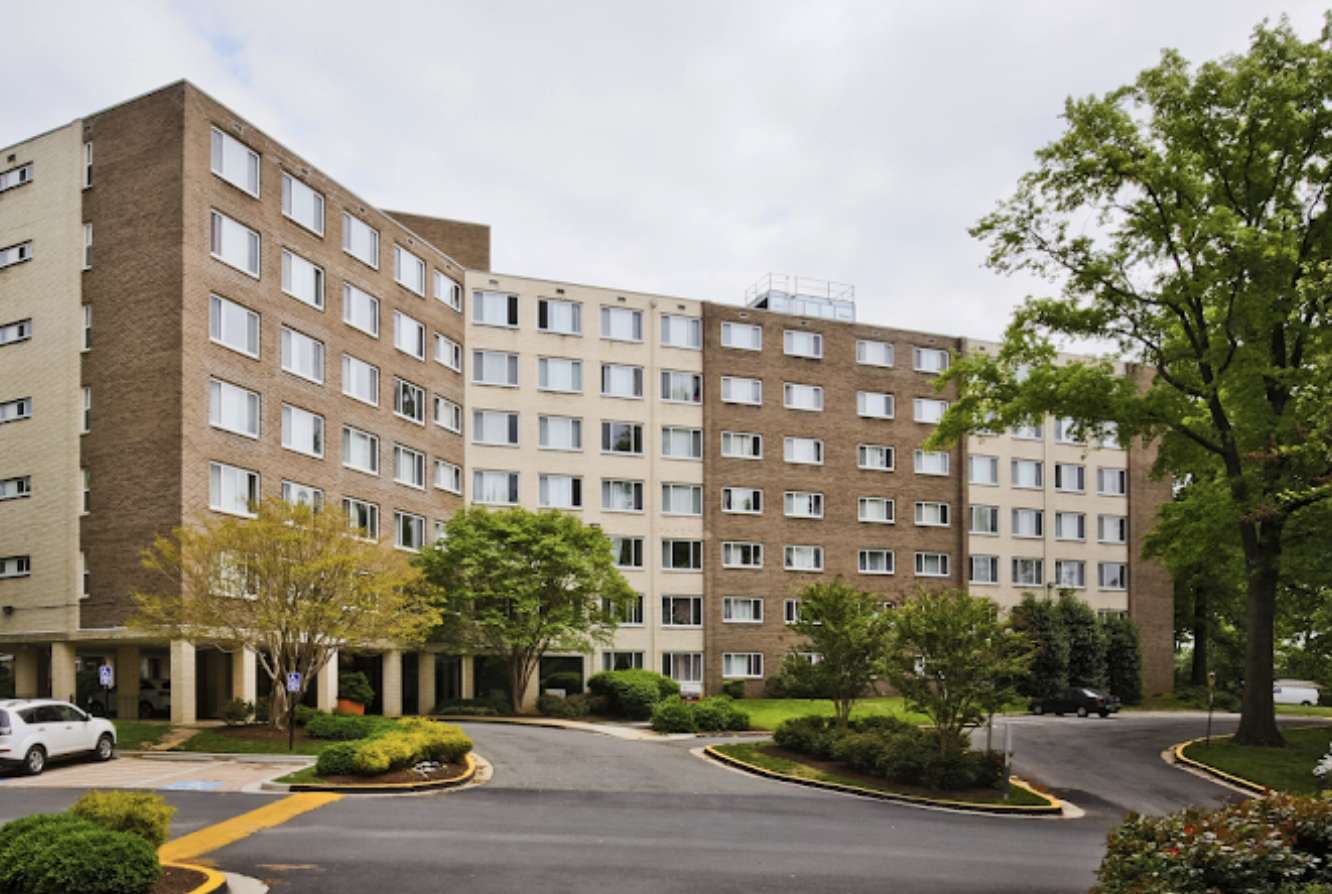
Units in the Serrano Apartments, a high-rise housing complex on Columbia Pike, have three things going for them: they are spacious, have nice views, and are affordable.

“But if you go inside those units, the reality is totally different,” said Janeth Valenzuela, who has been advocating for better living conditions for Serrano tenants for two years.

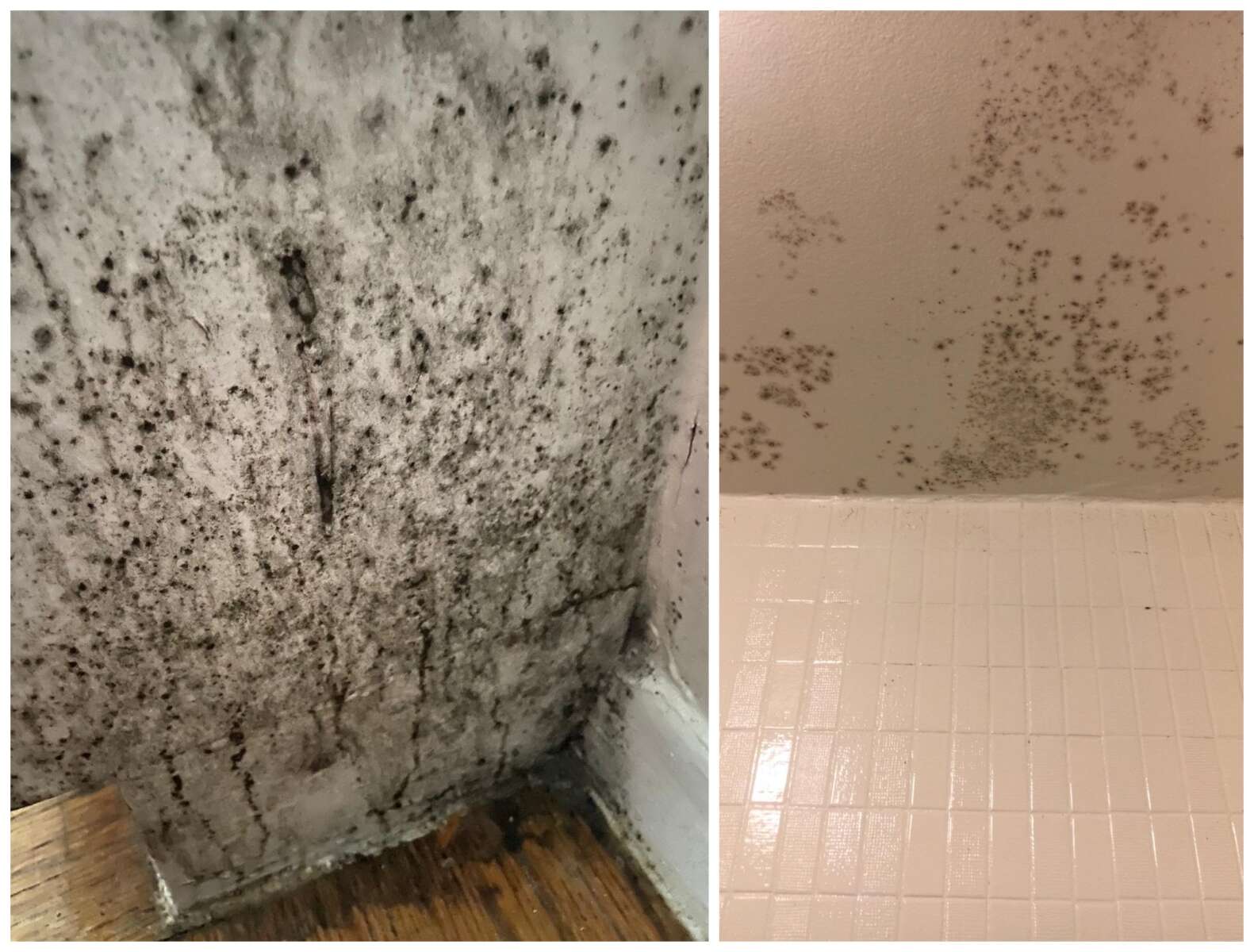
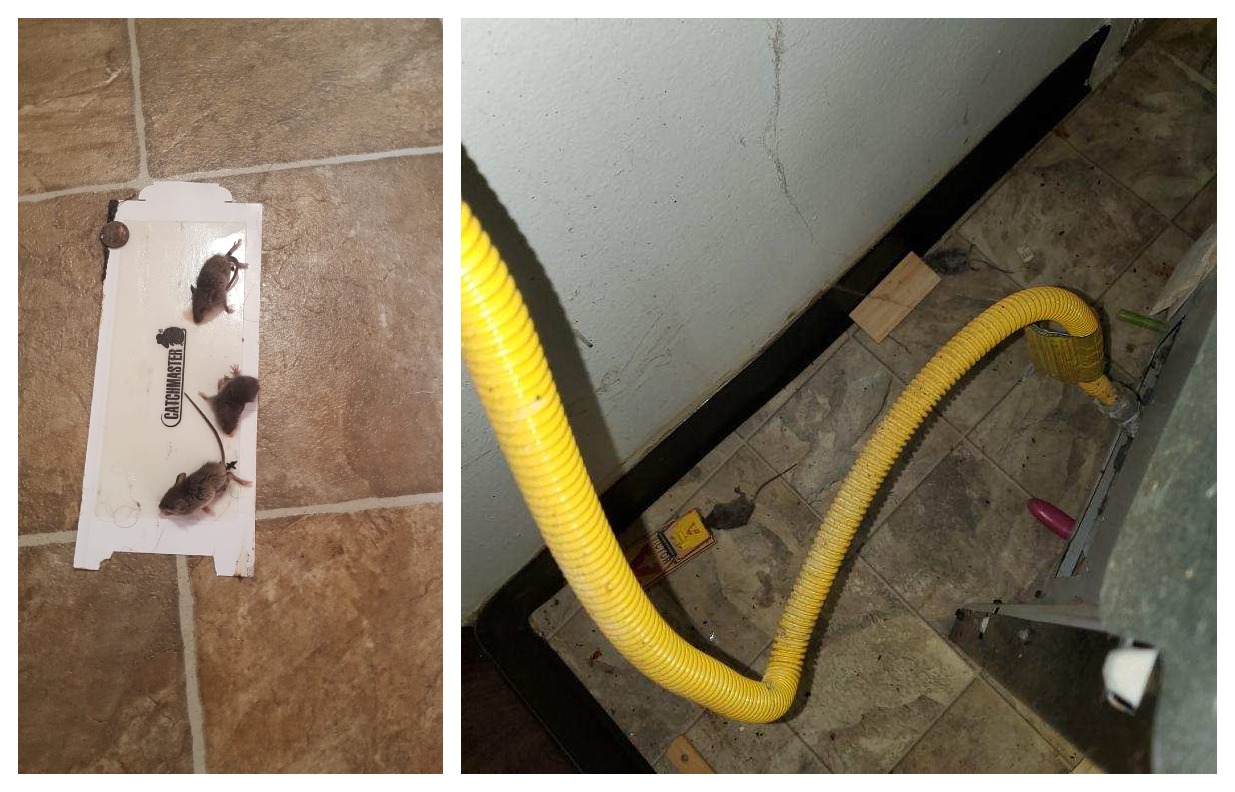
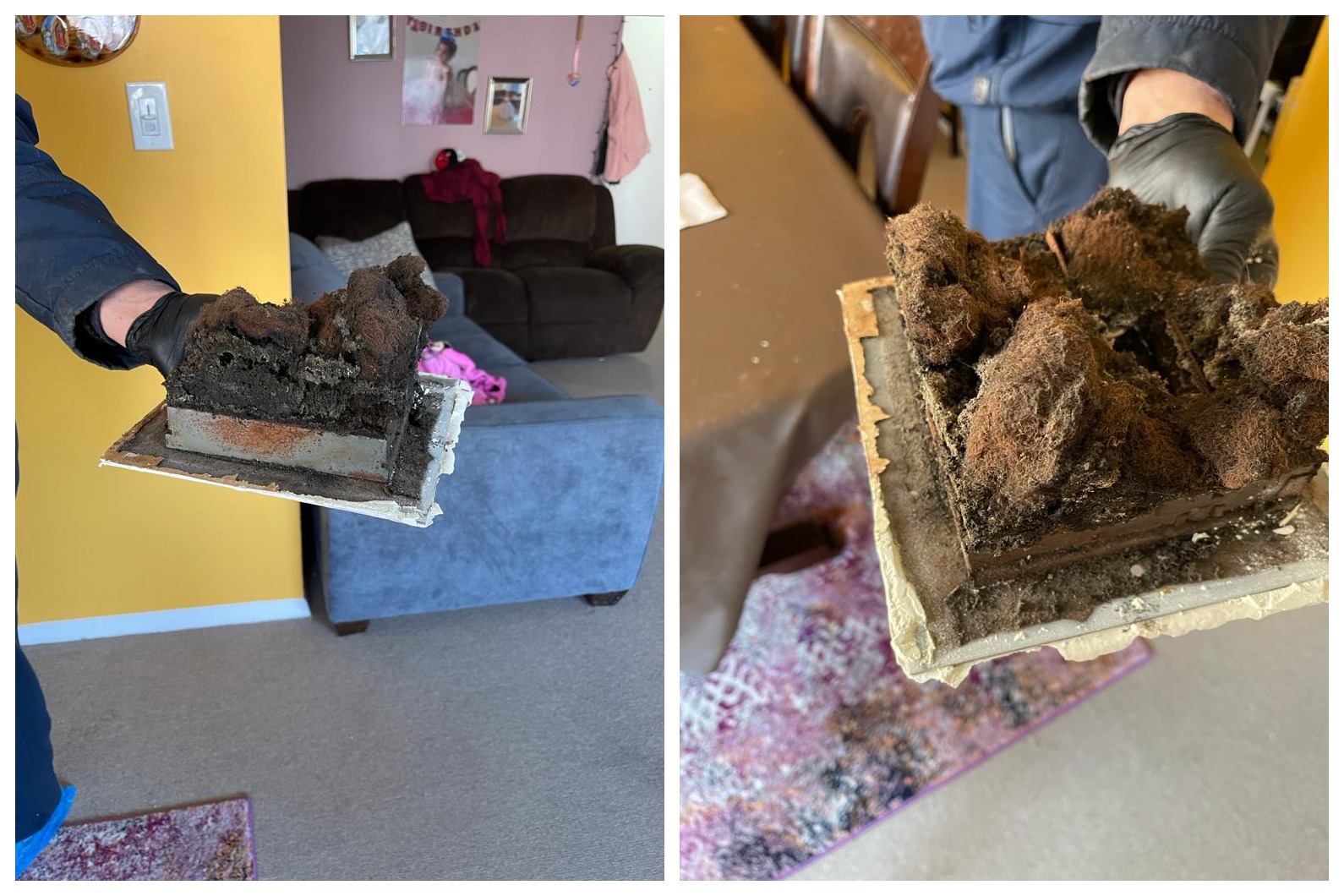
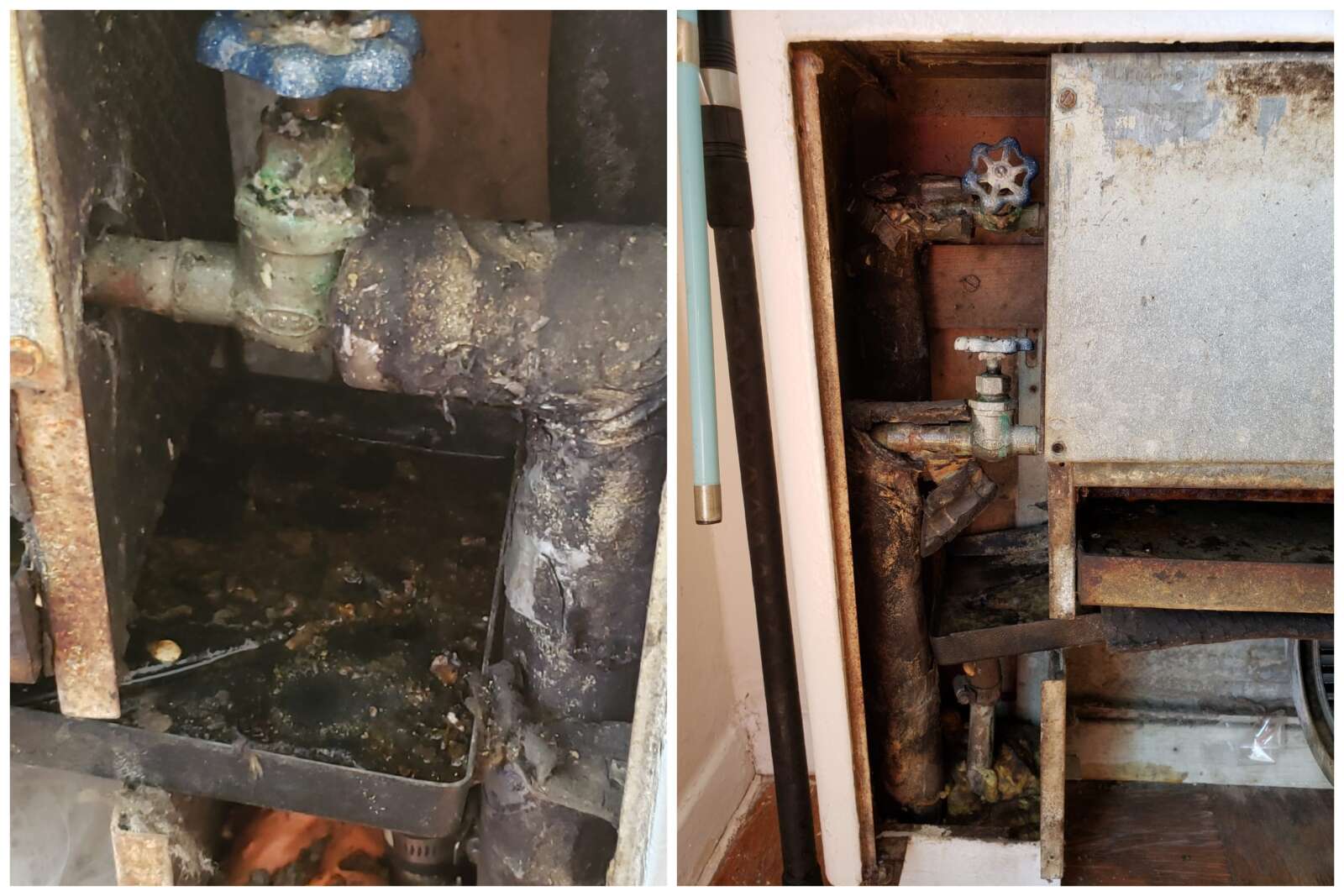
Mice and rat infestations. Balconies with broken glass and rust. Dirty HVAC units with water damage underneath. Shoddy maintenance.

These are just some of the problems inside the 280-unit apartment building at 5535 Columbia Pike, not just according to Valenzuela, but also the Arlington NAACP, immigrant and tenants’ rights group BU-GATA, interfaith clergy group VOICE Arlington, and the Asian American Pacific Islander Civic Engagement (ACE) Collaborative.

“It’s sickening,” said NAACP President Julius “JD” Spain. “This is a dereliction of duty and someone needs to be held accountable.”

Two weeks ago, Spain and the NAACP Housing Committee Chair Kellen MacBeth walked through a handful of apartment units, taking pictures of the conditions. They wrote a letter to County Manager Mark Schwartz detailing the conditions and asking Schwartz to assign staff to work with tenants, rehabilitate the units and rewrite policy so all residents have safe, decent and affordable homes.

“We observed severe problems that suggest a culture of deferred maintenance and underinvestment in the property during our walk-through,” the letter said.

The walk-through, however, was a tipping point after two years of work behind the scenes to help tenants.

“We are tired because there’s no light at the end of the tunnel,” Valenzuela said. “It’s pure injustice.”

Under new management

The Serrano Apartments are owned by AHC Inc., an Arlington-based affordable housing developer, which acquired the building in 2014 in partnership with Arlington County. Since then, the nonprofit has spent millions of dollars making improvements. The building has 196 committed affordable units and 84 market-rate units, according to AHC.

AHC is aware of the issues raised by the community organizations and has been working hard on them “for a while now,” said spokeswoman Celia Slater. One of its most recent changes was to hire a new management company, which “is very good at customer service and has an excellent track record.”

According to county spokeswoman Erika Moore, the county required that switch based on the conditions at the property.

Elder Julio Basurto, who has worked with Valenzuela these last two years, said the management change is the result of advocacy.

“It’s not something AHC has done on their own,” he said, adding that “there are a lot of things that are still not right.”

The management company, which started in February, told AHC it will take about six months before the building’s issues get in order, she said. Already, Slater tallied 586 work orders, of which 39 had to do with pests like bugs and rodents.

“We’ve made a lot of progress since they’ve started, but we know there are still issues to address,” Slater said.

This month, 100% of the vents and convectors will be cleaned again by the end of May, she said.

“Many tenants appreciate the new management but they believe that just because there’s a new management it does not mean the root problems are solved,” said Maryam Mustafa, a community organizer with ACE.

Saul Reyes, executive director of BU-GATA, said the Serrano is an old building with lots of issues exacerbated by deferred maintenance.

“We’ve been working with residents, resolving their individual issues with management, making sure work orders get done to tenant satisfaction,” he said. “Part of the problem is that the issues are so extensive and take so long to resolve that residents get frustrated.”

While the new management company works to get things under control, Slater said AHC is working to build trust with residents. The organization established an on-site residents services office with a bilingual manager, started distributing more than 100 meals a week, and has hosted a pop-up vaccination clinic.

“We care about the people in the community and we want to do all we can to make sure their living environment is up to our standards,” Slater said.

But a big problem is communication, she said, alleging that residents are not telling AHC what is going on.

(more…)


By 2030, Arlington County aims to have zero transportation-related deaths and serious injuries on its streets and trails.

The County Board took its first step toward this ambitious goal in July 2019, the same year that Arlington registered six fatal crashes, according to county data. The board adopted a “Vision Zero” resolution that, at the time, offered few details. Its second step was to draft a five-year action plan.

After more than a year of work by county staff and review by advisory commissions, the final draft of the first five-year Vision Zero Action Plan, with those long-awaited details, is set to be reviewed by the County Board next Saturday (May 15).

This plan — informed by local crash data, public engagement and talks with other Vision Zero communities — lays out one-time and ongoing projects aimed at improving public safety. These range from installing automated traffic enforcement cameras and lowering speed limits to maintaining a crash data dashboard and educating children about safety with help from Arlington Public Schools.

If adopted, the plan will result in a number of changes locals will see and experience, Principal Planner Christine Baker told the Arlington Transportation Commission in February.

She said these will include enhanced intersections (shown below) and improved warning signs, as well as more education programs and messaging from the Arlington County Police Department.

“It’ll take time to see these improvements on every single street in the county, but in the meantime, we’re going to be reporting our progress on the program,” Baker said. “We’re really excited to be diving into this program.”

The county will update its website and send emailed updates telling people “when they’ll be able to recognize Vision Zero is on the streets,” she said.

Folks may be seeing some recent changes made in the spirit of Vision Zero: Over the last year, the county has sought lower speed limits while raising fines along 11 mostly residential streets in Arlington.

The County Board also made installing speed cameras a legislative priority in the 2021 General Assembly assembly session, a move toward more equitable law enforcement that also would reduce public interactions with police officers.

According to the action plan, there are a dozen target areas to tackle, from pedestrian safety and intersections to drunk or distracted driving and speeding.

Pedestrian safety is the most at risk, according to county data. One-quarter of serious crashes and more than half of fatal crashes involved a pedestrian, though pedestrian-involved crashes account for 5% of total crashes. Bicyclists and motorcycles comprise 2% and 1%, respectively.

The plan also cites data indicating that speeding and turning-related crashes are more common than alcohol-related ones, but almost half of all fatal crashes involved alcohol and more than half occurred at night.

(more…)


About 2,000 students who left Arlington Public Schools after buildings shuttered in March 2020 have indicated they will not be returning this fall, according to APS staff.

This enrollment information — which could alter the budget for the 2021-2022 school year — landed in the laps of the Arlington School Board and school administrators during a budget work session Tuesday evening.

The problem? School Board members are slated to vote on the $700 million budget tomorrow (Thursday) and APS administrators say they do not have enough time to draw meaningful conclusions about how the budget will be impacted.

During the work session, however, School Board members asked staff to try anyway. They said recalibrating the budget for 2,000 fewer children could knock down the $11-$15 million budget deficit that APS is facing and could determine how the board votes to compensate staff.

(Since the School Board adopted a proposed budget in early April, which then included a $14.9 million deficit, Superintendent Francisco Durán and board members have proposed changes lowering the deficit to $11 million.)

“Our budget is funding for at least some students who we assumed would be part of our enrollment who are not,” Vice Chair Barbara Kanninen said. “We can’t not do anything with this information. I don’t know how we’re going to pull it off that quickly, but we have to: We owe it to the taxpayers of Arlington and we owe it to our staff, not to lowball them on compensation because we couldn’t figure out where the students will be.”

Durán cautioned against using the information to cut down on staffing without knowing more information. He vowed to provide more details tomorrow.

“We still need a deeper analysis to understand what the implications are,” he said.

APS previously projected 29,653 students would be enrolled in the school system next year. On multiple occasions, staff members have said they calculated the increase based on numbers from 2019, as 2020 was too irregular of a year given the pandemic.

But Lisa Stengle, Executive Director of Planning & Evaluation for APS, said the new survey responses are just one piece in a bigger puzzle of figuring out what next school year’s enrollment will look like.

“This number is about students who left, but we also have the intent-to-return surveys, we have new families not counted in this, and five years ago, we had the largest number of births to Arlington parents in quite a period of time,” Stengle said. “There are a lot of other factors. We need time to work all of those through. This is trying to estimate human behavior in a pandemic that we don’t have patterns for.”

Board member Reid Goldstein, however, said it is public knowledge at this point that members of the board believe 29,653 students is an overestimation. During the budget process, board members asked APS to calculate the savings if enrollment dropped to 28,500 students; staff said APS would save $5.9 million under such a scenario.

“This new information about 2,000 students planning not to come back is really giving me a lot of heartburn, given the budget that’s a day and a half away,” he said.

Kanninen brought up the enrollment news halfway through the meeting, which, up until then, had included a lengthy discussion on the myriad employee compensation plans the board will have to choose from.

Taking into account one compensation plan and the several million dollars in new budget cuts, APS faces an $11 million budget deficit. Meanwhile, a plan that provides a 1.5% cost of living increase at the start of the year — favored by a number of APS teachers and staff — would increase the deficit to $13.9 million.

Another option would provide a state-recommended 2% cost of living increase to all staff and would make APS eligible for $657,783 in state funding. Some School Board members said they want to take advantage of this funding and supported this option which would increase the deficit to nearly $16 million.

Board member David Priddy said by his math, the enrollment drop would save APS $8.3 million, and would cover any of the compensation plans.

“I think that we should pursue that,” he said.

Image via Arlington Public Schools 


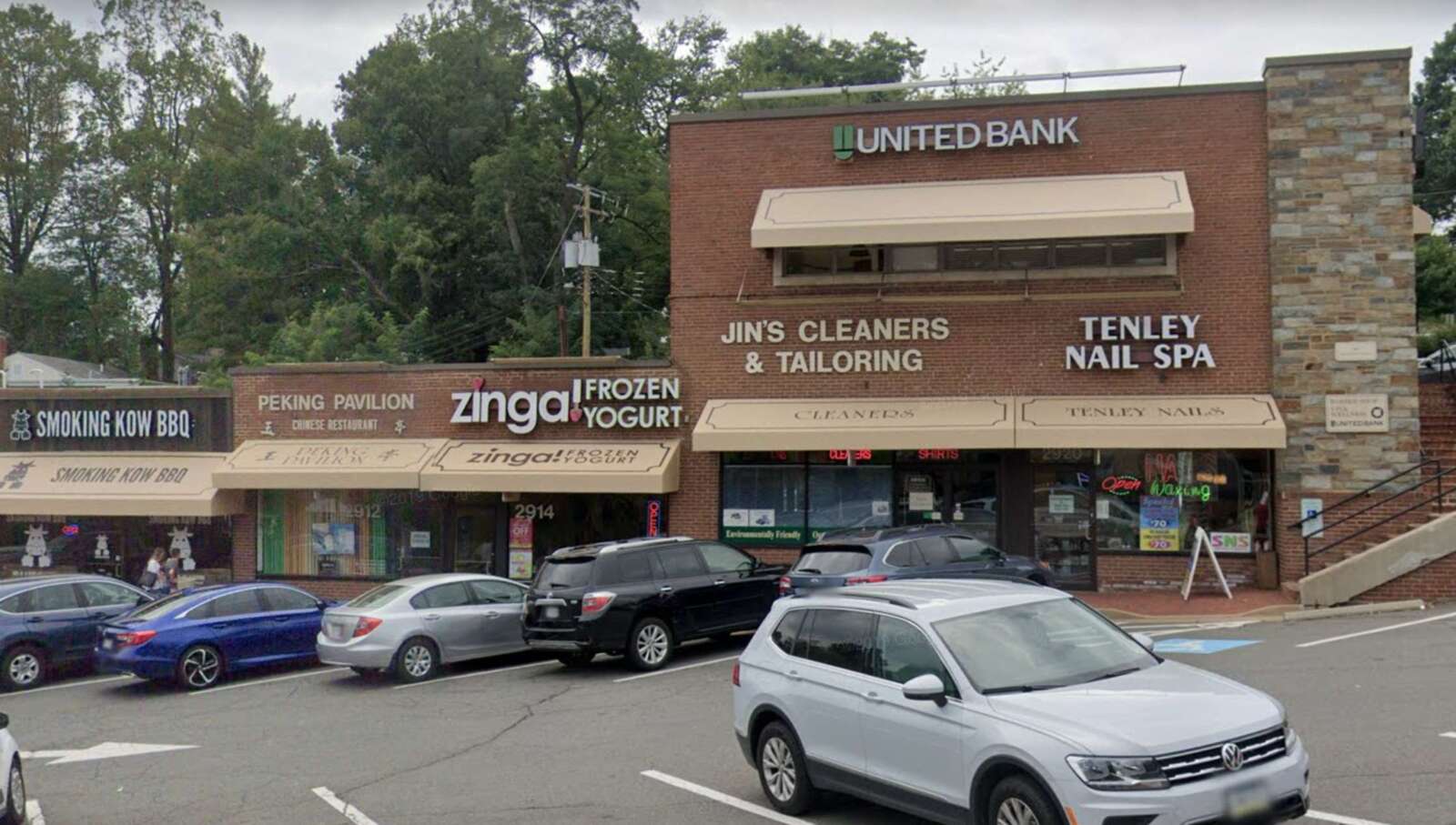
The Williamsburg Shopping Center is looking for a new bank to take up tenancy where United Bank once had a branch.

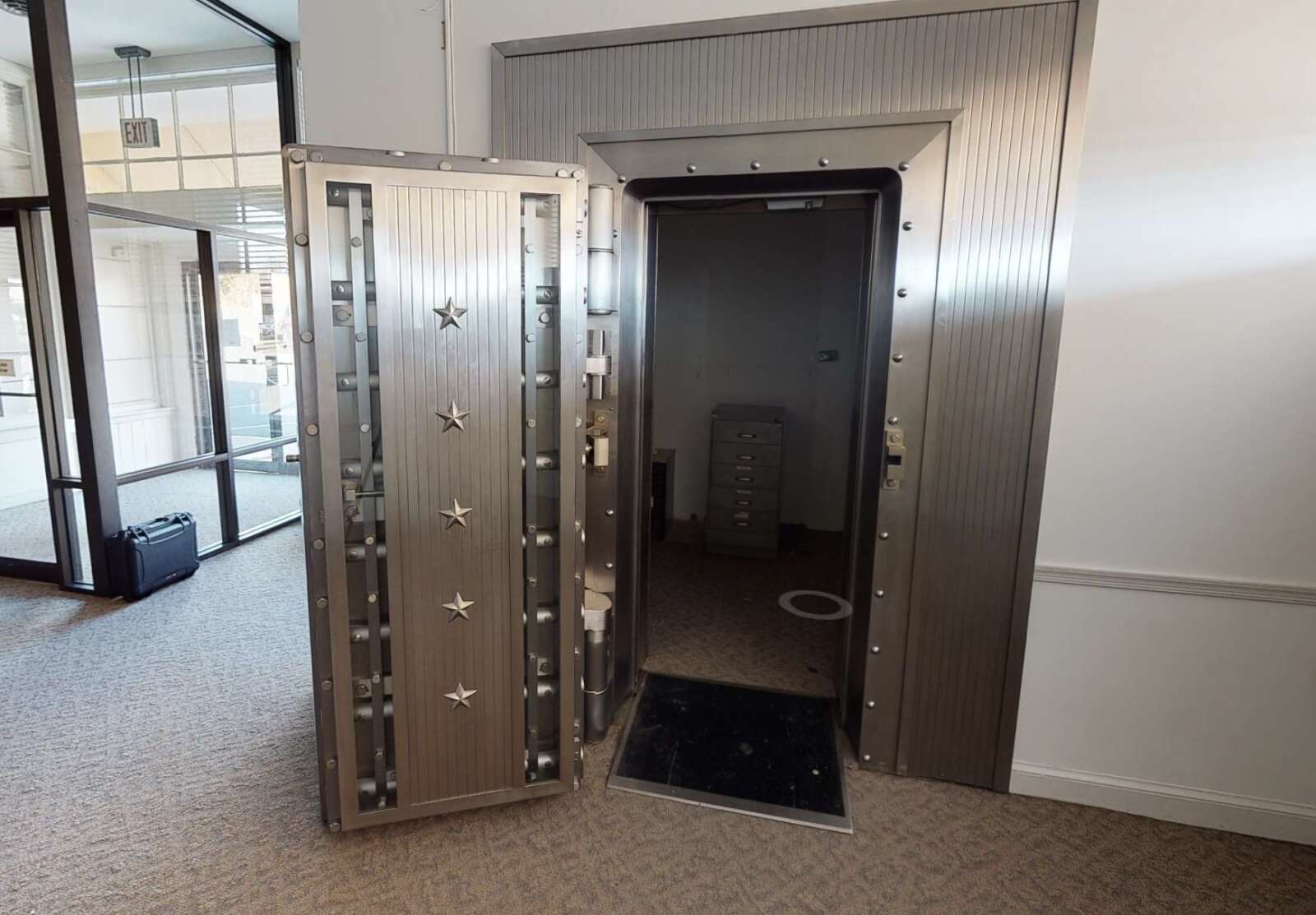
Leasing agent Nora Eways said the bank location at 6500 Williamsburg Blvd shuttered on Jan. 15 but did not give a reason for the closure. The shopping center’s owner is hoping to find another bank to fill the space, perhaps in part due to the large metal bank vault that appears in interior photos.

“The landlord’s main preference is for another bank,” Eways said.

While the search continues for another bank, she said other potential tenants, including medical groups, have expressed interest in the spot.

“This space is in a very affluent area in Arlington,” she said, of the shopping center’s proximity to North Arlington neighborhoods like Williamsburg and East Falls Church. “It’s a great neighborhood center where we’ve had very few vacancies in general.”

Eways said pre-pandemic, the shopping center was fully leased “for a while.” United Bank’s departure was one of two COVID-19-era vacancies, she said, referencing the closure of the Zinga! frozen yogurt spot in October.

“Banks and frozen yogurt shops are two businesses that are decreasing in size throughout the nation,” she said, adding that mobile banking has led some banks to consolidate their physical locations.

Photo (1) via Google Maps, (2-3) via Renaud Consulting


With COVID-19 cases declining and 31% of the local population fully vaccinated, more people appear to be out and about in Arlington, according to recent county parking data.

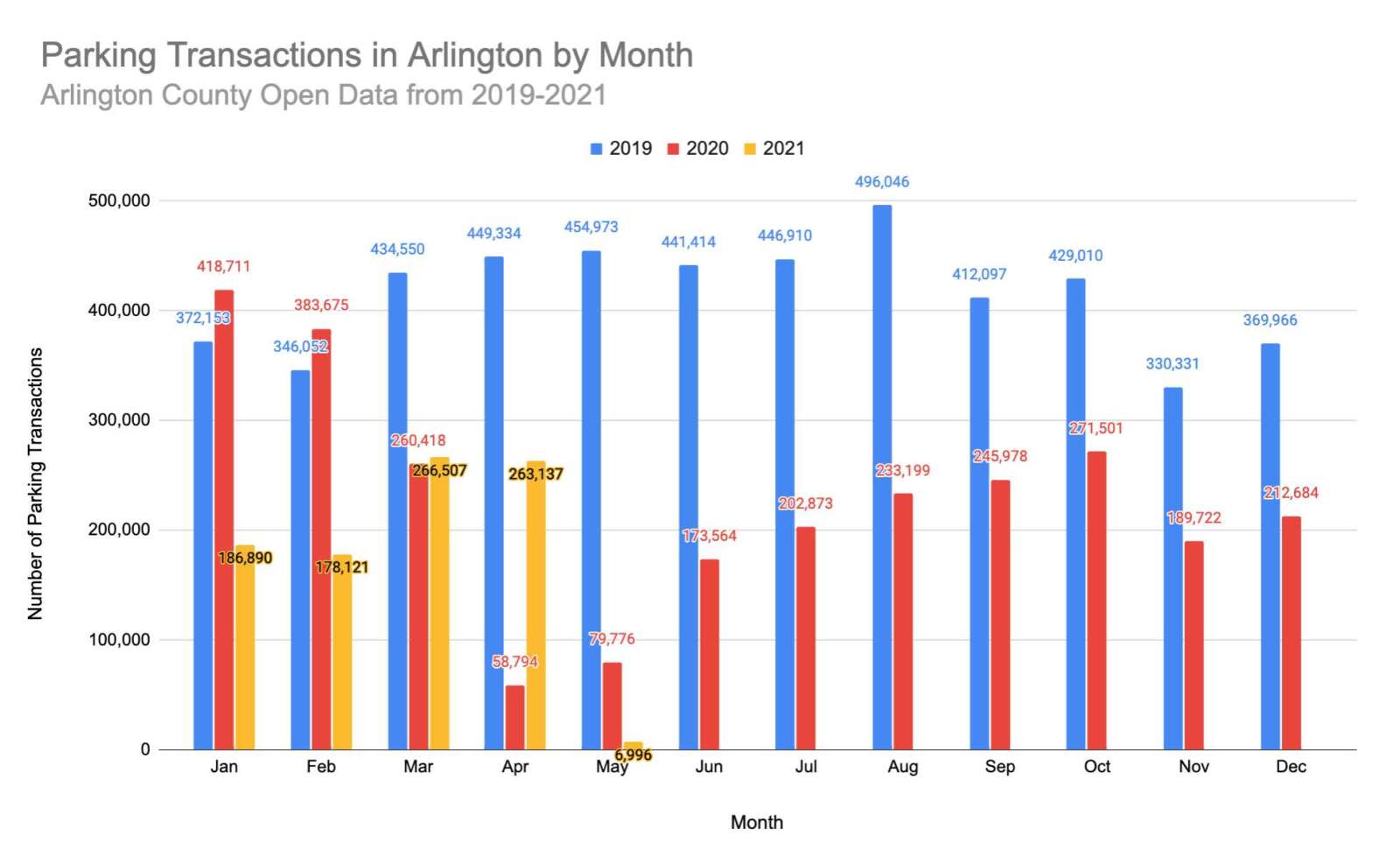
Arlington County logged more than 266,500 and 263,000 parking meter transactions in March and April, respectively — the highest these numbers have been since October when cases started mounting for the second time in 2020.

The figures are one indication that Arlington has returned to a level of activity last seen in Arlington late last summer when case numbers were low and the state lifted many of the restrictions on daily life.

While parking numbers have recovered from the second and larger wave of coronavirus, the road to pre-pandemic parking levels may still be a long one. The transactions this spring are roughly 40% lower than they were in the spring of 2019.

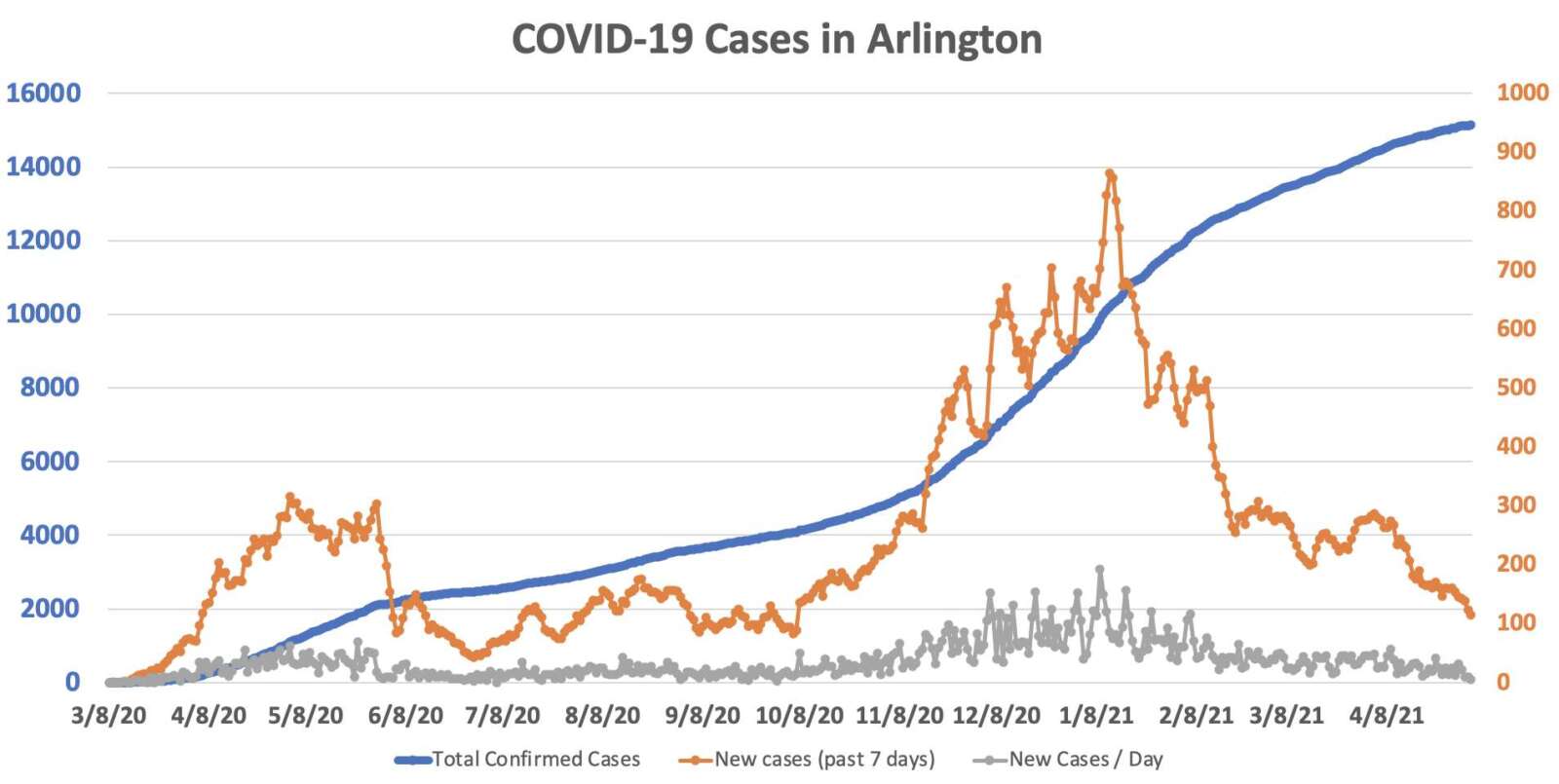
The parking transaction trends appear to be the inverse of COVID-19 cases in Arlington.

Parking transactions dropped dramatically between October to November, during which time coronavirus cases started rising. Parking transactions bounced back in March and remained at similar levels in April; meanwhile, COVID-19 cases have reached their lowest point since October.

Today, the Virginia Dept. of Health reported only five new cases in Arlington, after nine new cases were reported yesterday — the first two-day stretch of single-digit new cases in the county since Sept. 1-2.

Arlington’s recently-adopted budget projects parking revenue getting close to pre-pandemic levels by the end of the 2022 fiscal year, “but there is a lot of uncertainty about that assumption,” parking manager Stephen Crim said.

The county has a long way to go to recover lost parking revenue, which plummeted from a 2019 peak of nearly 500,000 transactions in August to fewer than 60,000 transactions in April 2020.

If the revenue trends from April continue into May and June, however, parking revenue for the second quarter of 2021 could surpass the $1.4 million that the county logged through March, county officials say.

“A return to pre-pandemic levels will depend not only on how quickly jurisdictions lift restrictions on places like restaurants but also on how comfortable people feel going back to their usual activities,” Crim said. “Also, there may be medium- or long-term changes to the way people shop, socialize and conduct business meetings, which could affect parking in Arlington, just like everywhere else.”

In February, Gov. Ralph Northam rolled back a 10 p.m. alcohol curfew for restaurants to midnight, and by mid-May, he is expected to raise the caps on venue capacity and social gatherings, while lifting the curfew on liquor sales. Last month, the Centers for Disease Control and Prevention cleared Americans to be outside without a mask in most situations. Soon after, Virginia followed suit.

Although transactions levels are lower, the overall patterns of where people park are generally similar to pre-pandemic patterns, Crim said.

“A quick look at some of our meter data indicates that areas that were popular pre-pandemic remain popular today and areas that were less popular are still less popular,” he said.

He did not indicate whether the county expects a new pilot program that prices parking by demand along Metro corridors — approved by the County Board in December — will impact parking transaction rates.

Arlington’s Department of Environmental Services will be conducting the performance parking pilot to improve parking management, “regardless of the overall number of people who want to park in Arlington,” Crim said.

“We started planning for this pilot well before the pandemic struck and we don’t see the pilot as an opportunity to shore up revenue,” he said.

Charts compiled by ARLnow using data from Arlington County and Virginia Department of Health  


View More Stories