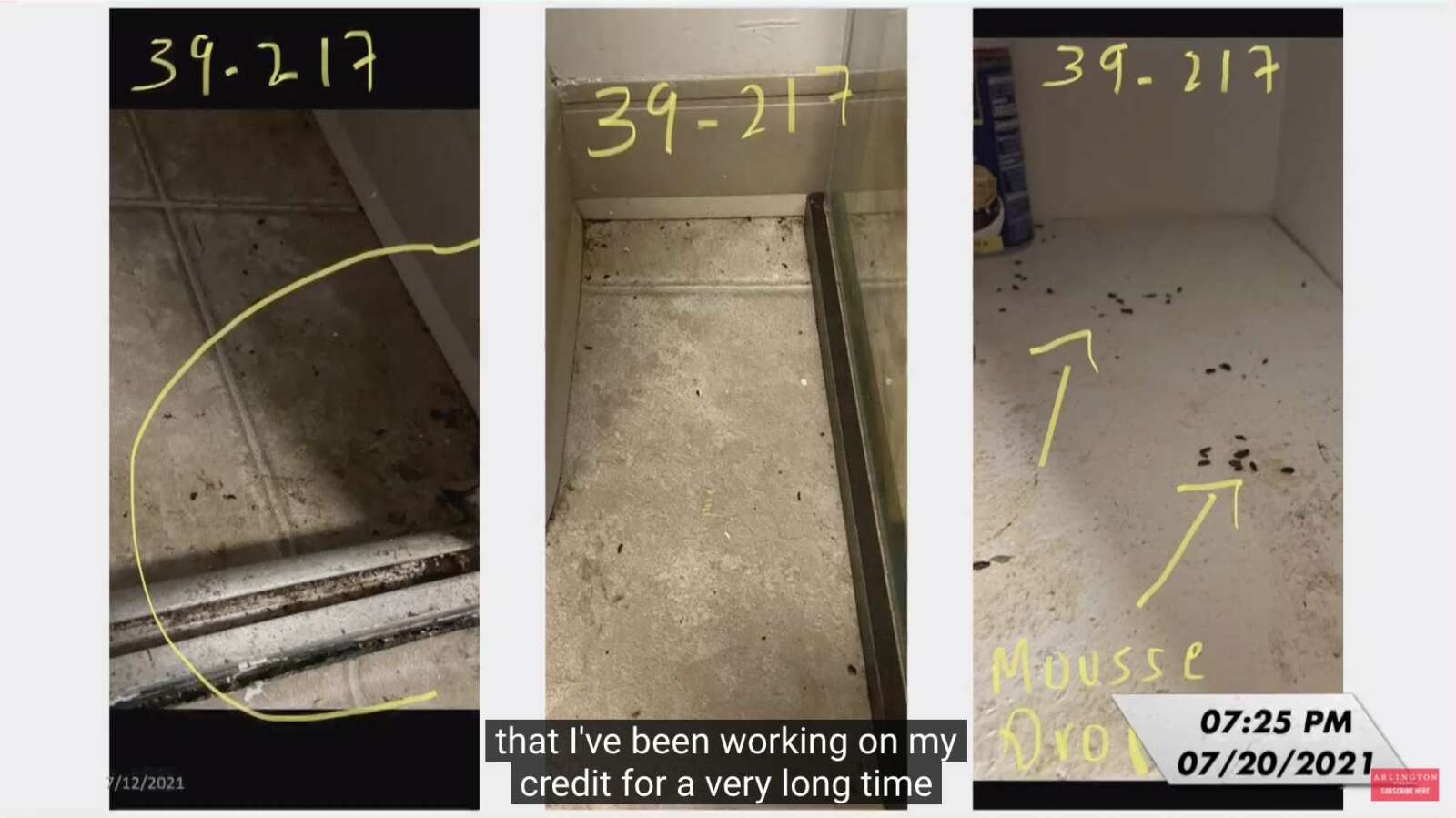
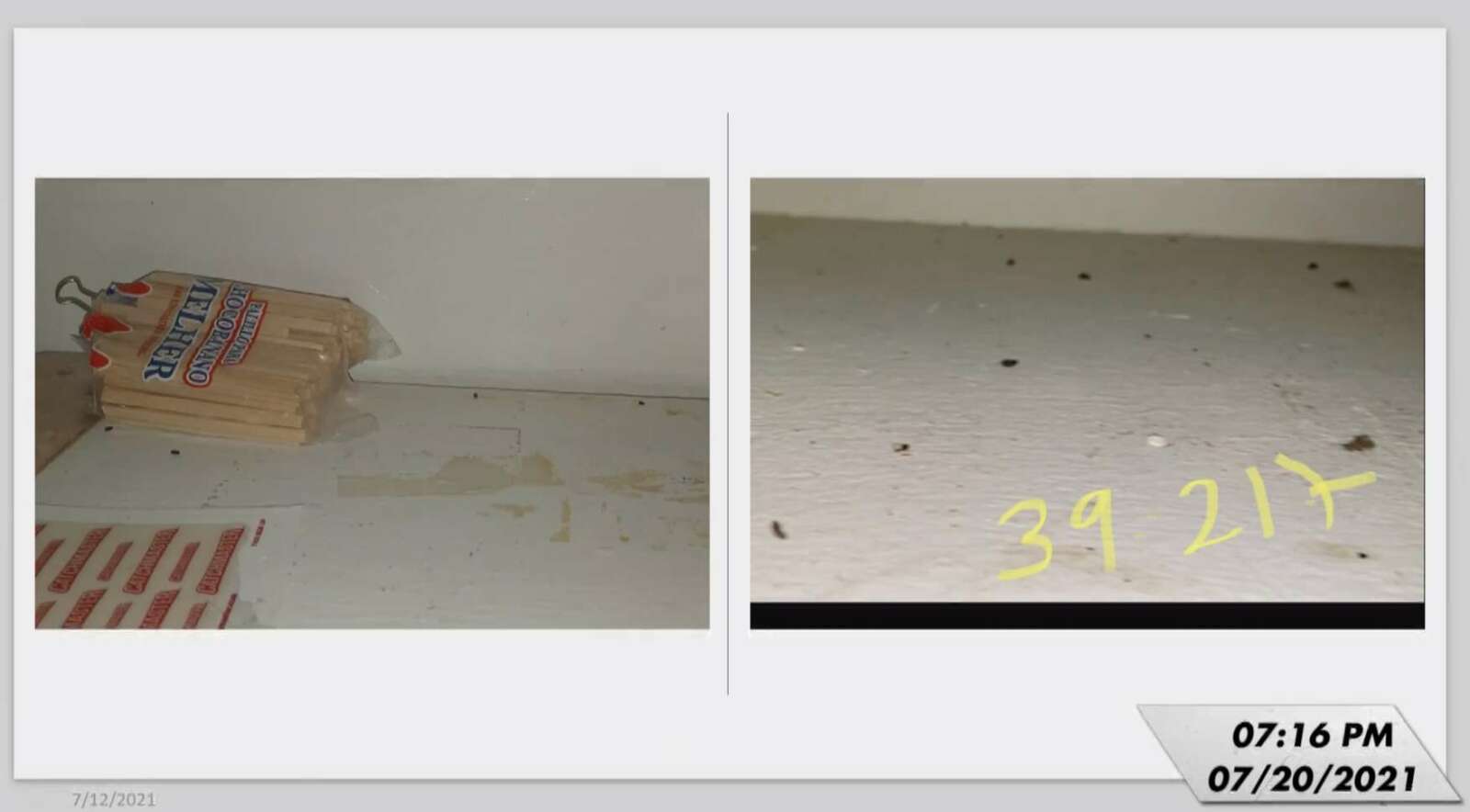
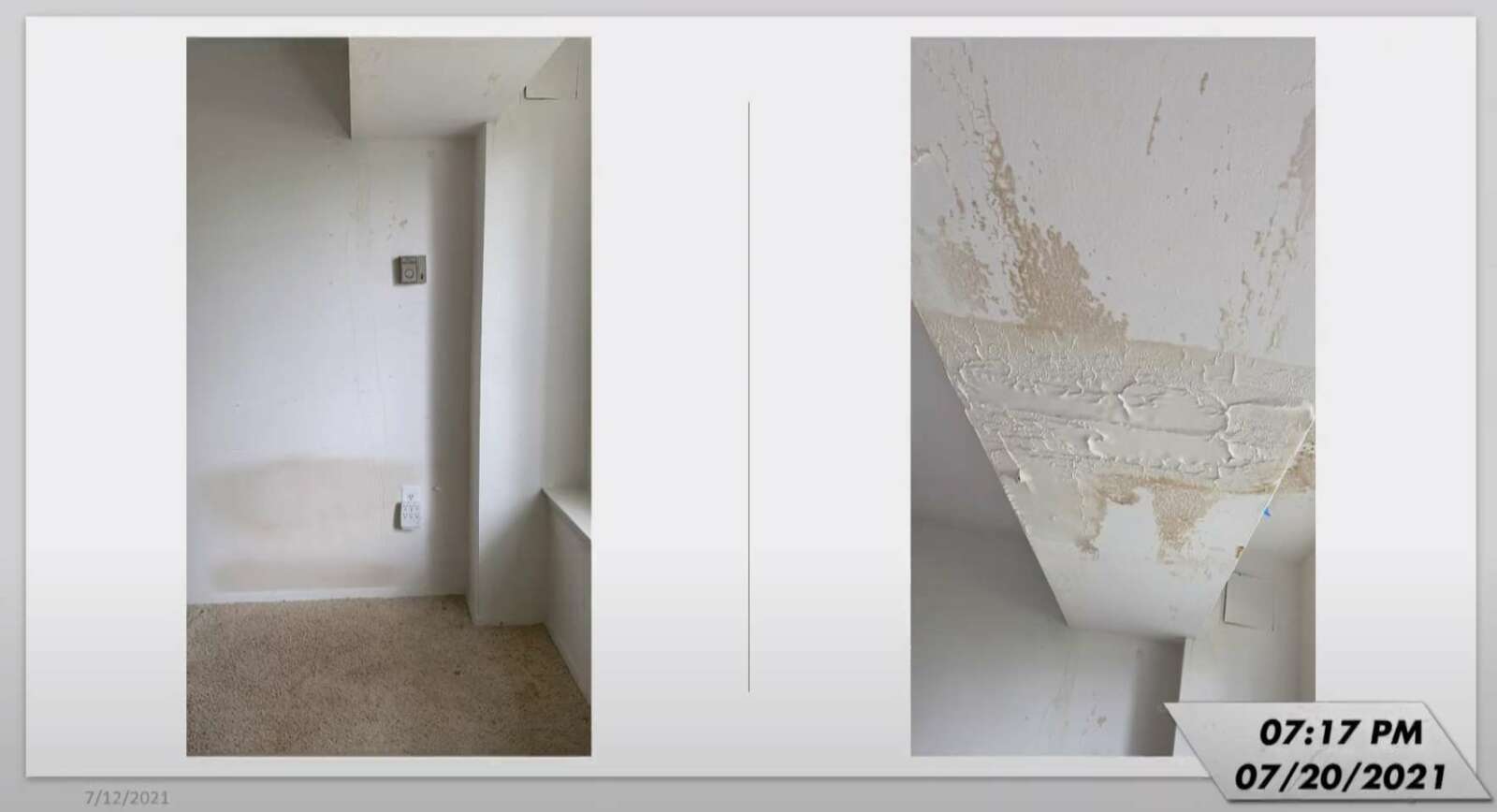
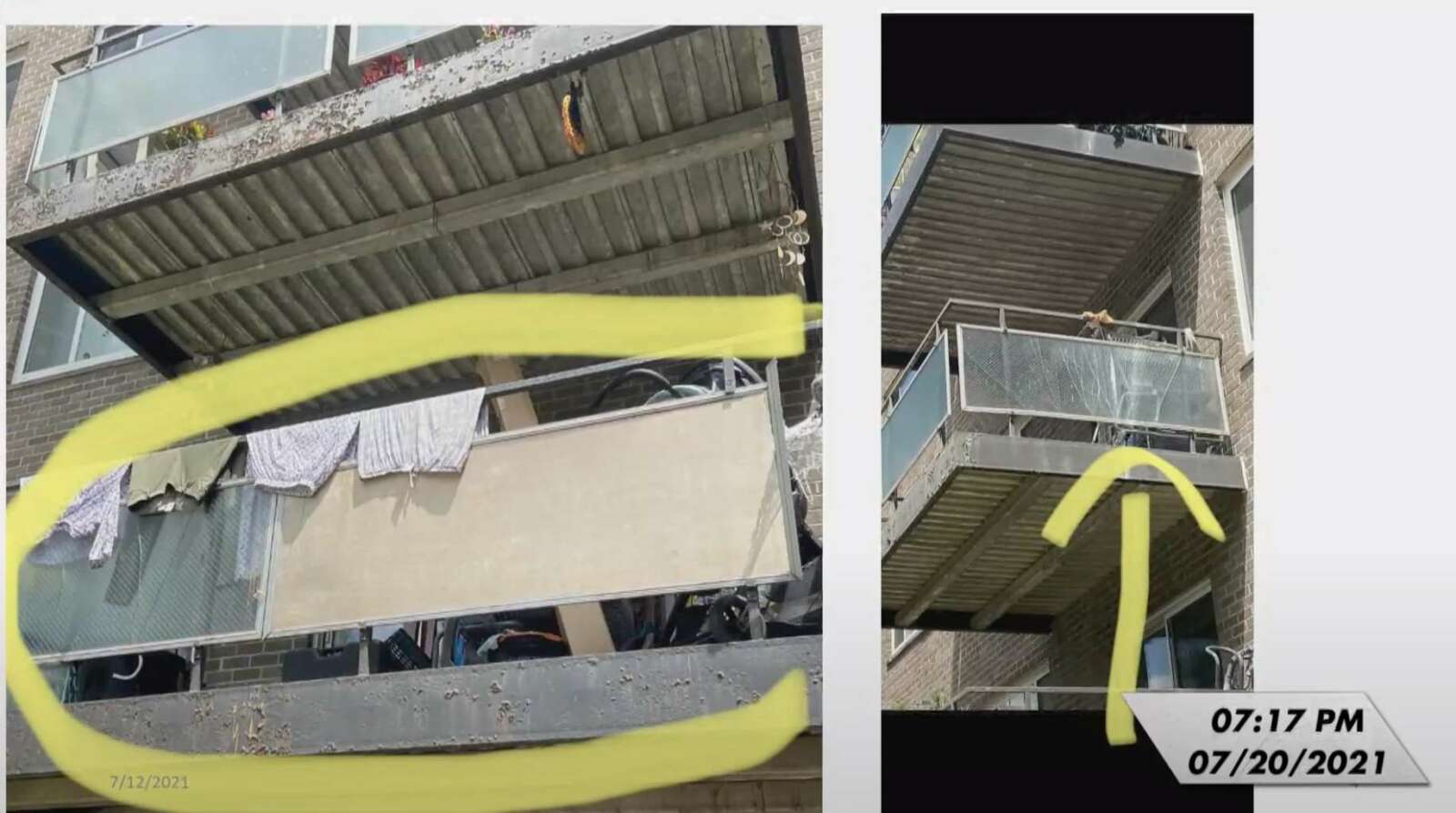
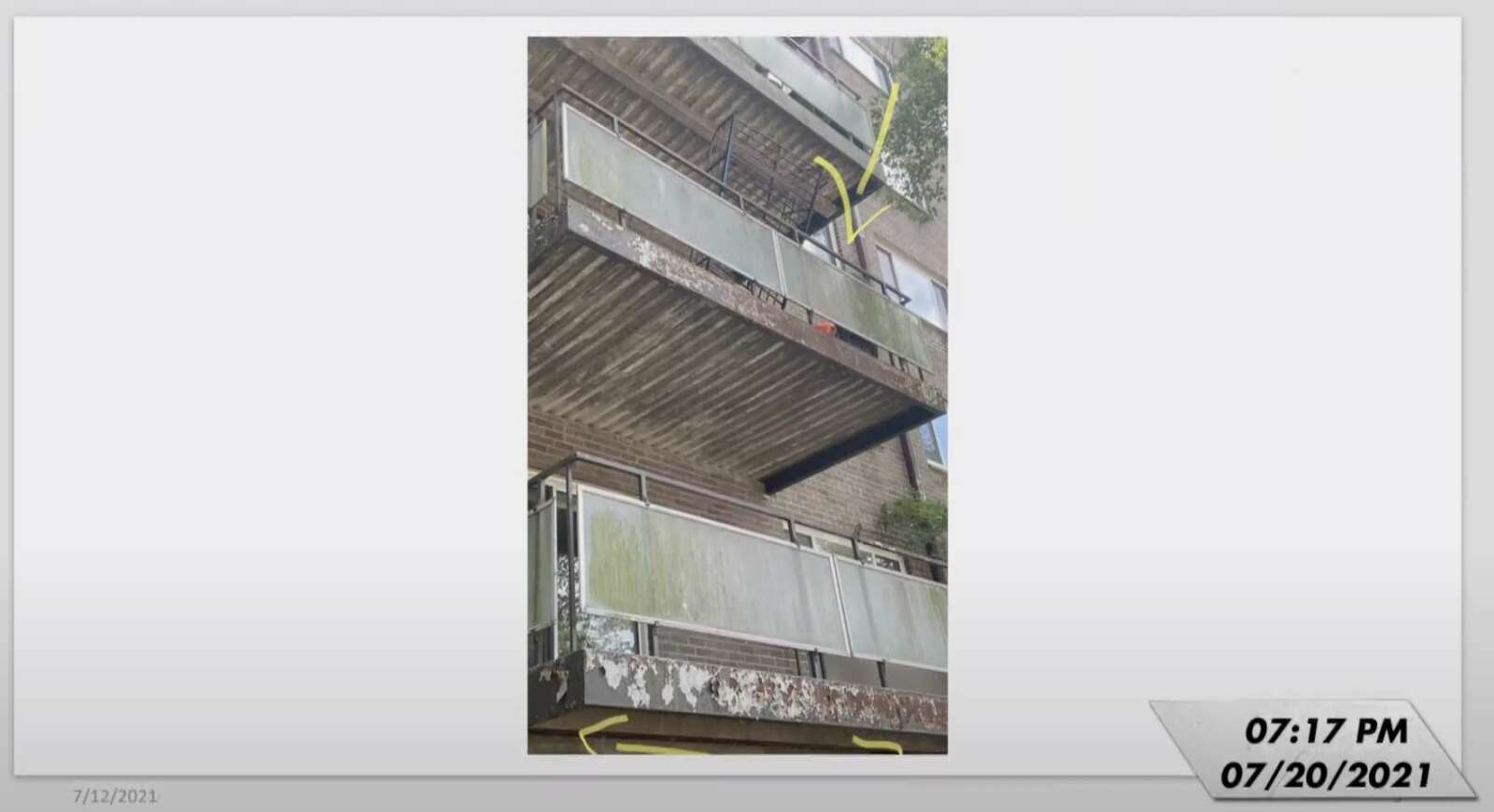
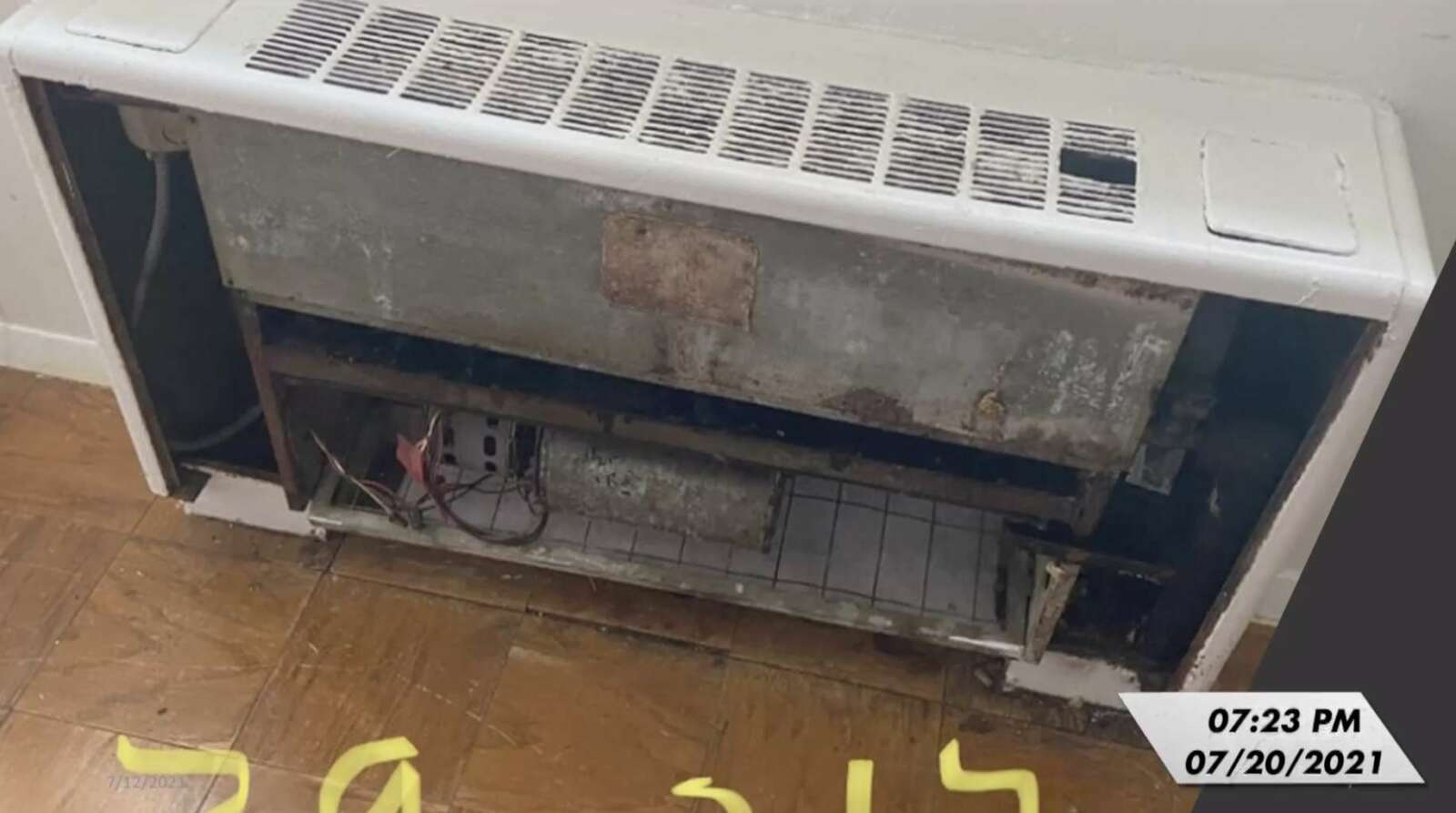
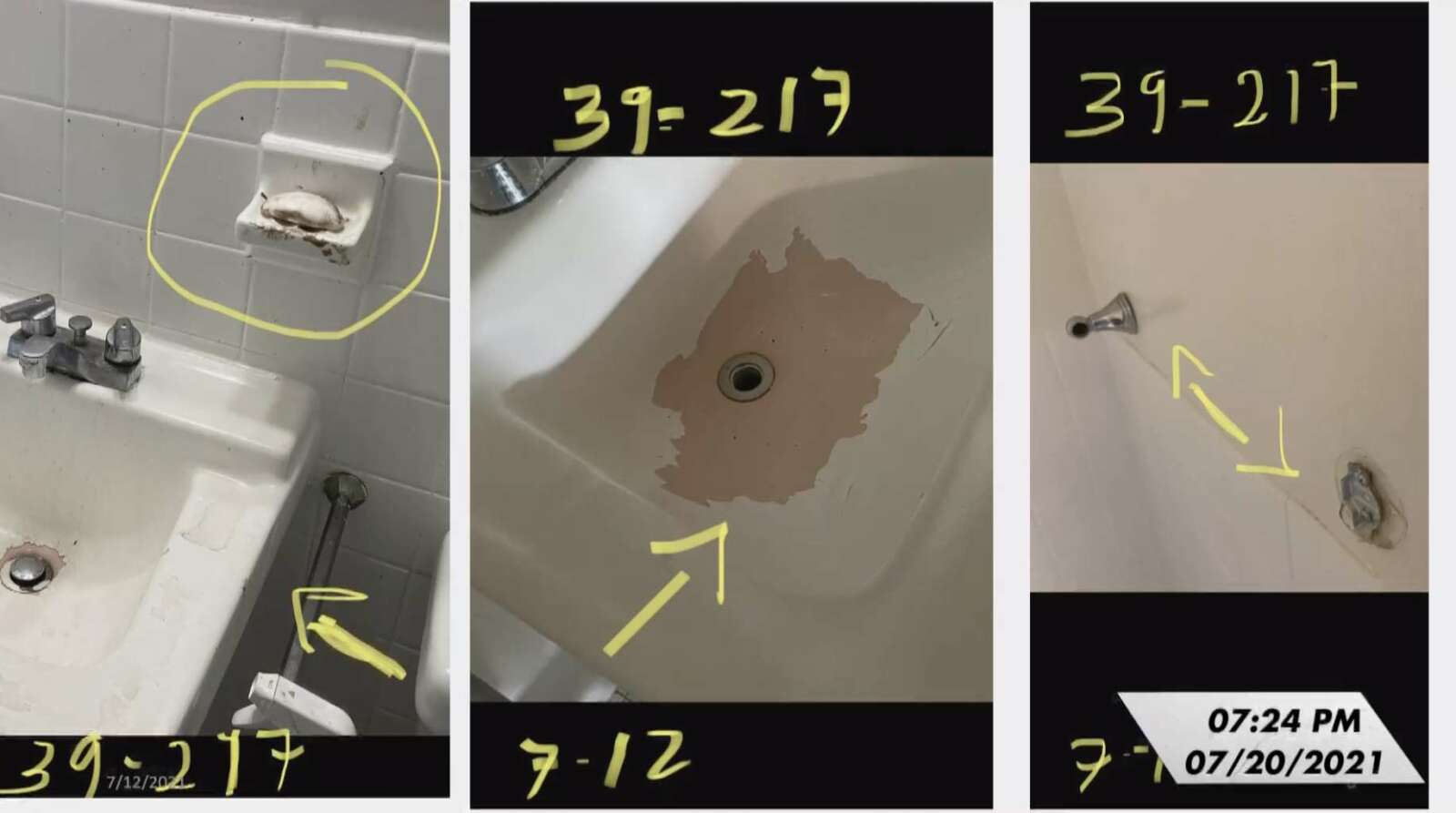
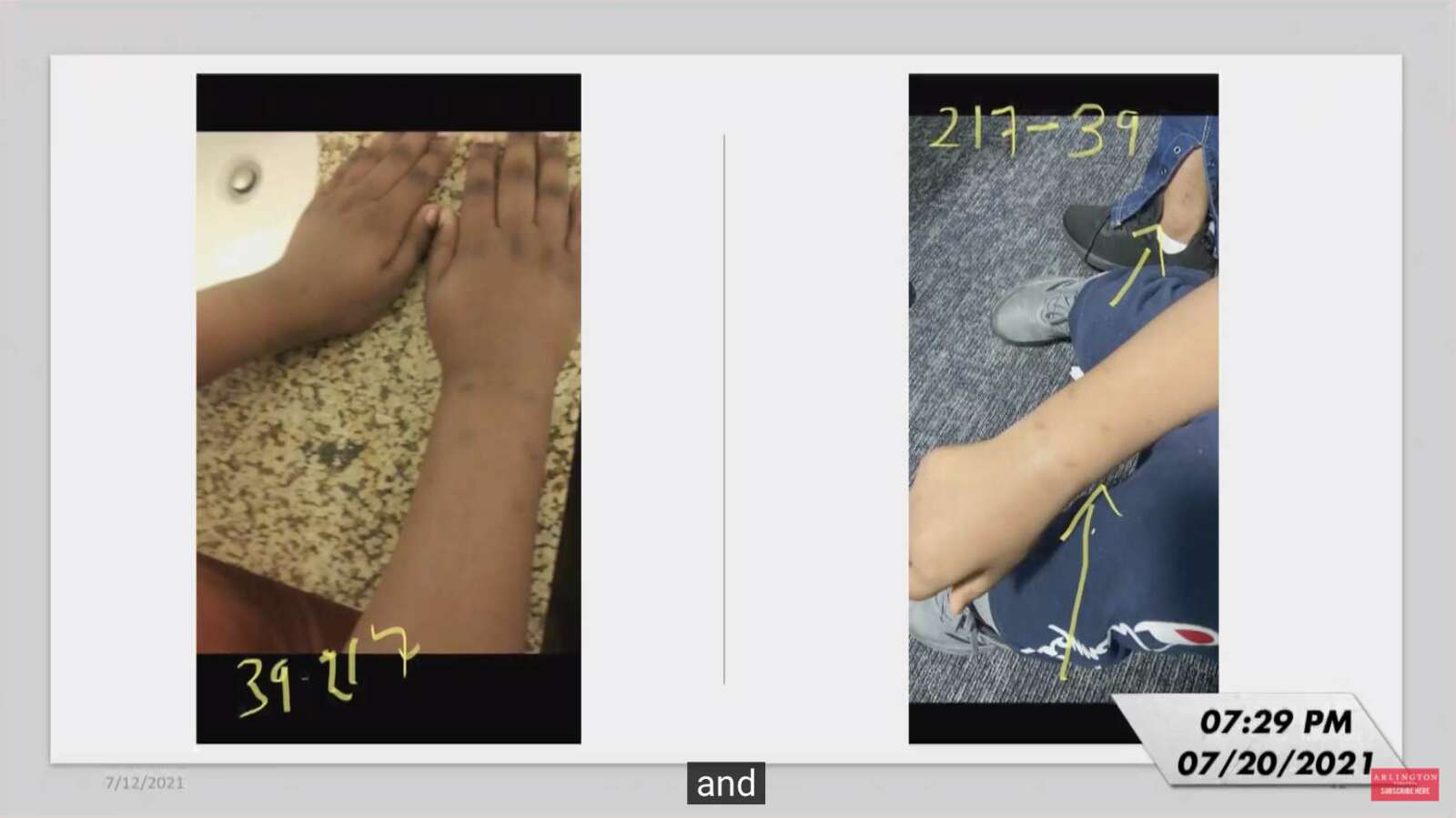
A new GoFundMe page was established over the weekend to raise money for five families who have been impacted by the pest infestations and mold at the Serrano Apartments.

These families have been relocated to temporary housing, in hotels and elsewhere, while their units are remediated and repaired. As of Monday afternoon, the fundraiser has raised $3,333 of its $18,738 goal.

It is the latest move by the community leaders and residents who have been calling on affordable housing nonprofit AHC, which owns the property, to improve conditions at the complex. After two years of advocacy, and after involvement from the NAACP and Virginians Organized for Interfaith Community Engagement (VOICE), organizers say the Serrano Apartments and its residents are finally getting the attention they deserve.

In the case of the families for which funds are being raised, more support is needed, organizers say.

“These families, all with school-aged children, have to replace beds, furniture, clothes and other household items and prepare to get their children ready for back-to-school as they relocate, return and try to restabilize their homes and families,” they wrote on the GoFundMe page.

“These families have suffered significant losses and were unexpectedly uprooted due to the lack of maintenance and care at the Serrano Apartments,” the page continues. “These families work hard, living paycheck-to-paycheck, and do not have additional finances nor renter’s insurance to assist them in replacing their belongings and to address other costs involved with resettling and restabilizing their homes and families.”

Former School Board member Tannia Talento, Arlington Schools Hispanic Parents Association member Janeth Valenzuela, Rev. Ashley Goff and local NAACP President Julius “J.D.” Spain put together the fundraiser. They said they hope to raise $4,000 for four families that spent more than two months in hotel rooms, $2,000 for one family that suffered some significant loss of their belongings, but could relocate to another affordable housing residence, and $738 for the GoFundMe fees and transaction costs.

Meantime, AHC has made some structural changes since the conditions came to light, including the resignation of their CEO. AHC hired an interim CEO, former Independent County Board candidate Susan Cunningham, to take the helm.

“I’m a straight shooter,” she told County Board members during a meeting in mid-July, two days into her new post. “I’m not going to sugar coat. I care a lot about accountability: my own, yours, ours as a community, and the problem-solving that it takes to deliver the kind of quality that we expect in the county.”

AHC and Cunningham are working with advocates and tenants to address repairs, the pest infestation and maintenance issues.

The interim CEO told the board she plans to have an in-depth update on progress in September.

She said AHC has “made good progress” but is not done rehousing the nearly 30 families who were placed temporarily in hotels earlier this year. Although the majority are in permanent homes — some with AHC and some in other complexes — a handful are still in hotels and considering their options, she said.

Meanwhile, AHC has three vendors on site trying to tackle an extensive mouse problem.

“We are filling holes, and we are getting ready to pull cabinets,” she said. “I think we’re getting on top of it, but we won’t feel that for sure for a couple of weeks.”

Fundraiser organizers say the same.

“Change is slow, and while we anticipate AHC will make these families whole again, it may take weeks before anything comes to fruition,” they said in the GoFundMe.
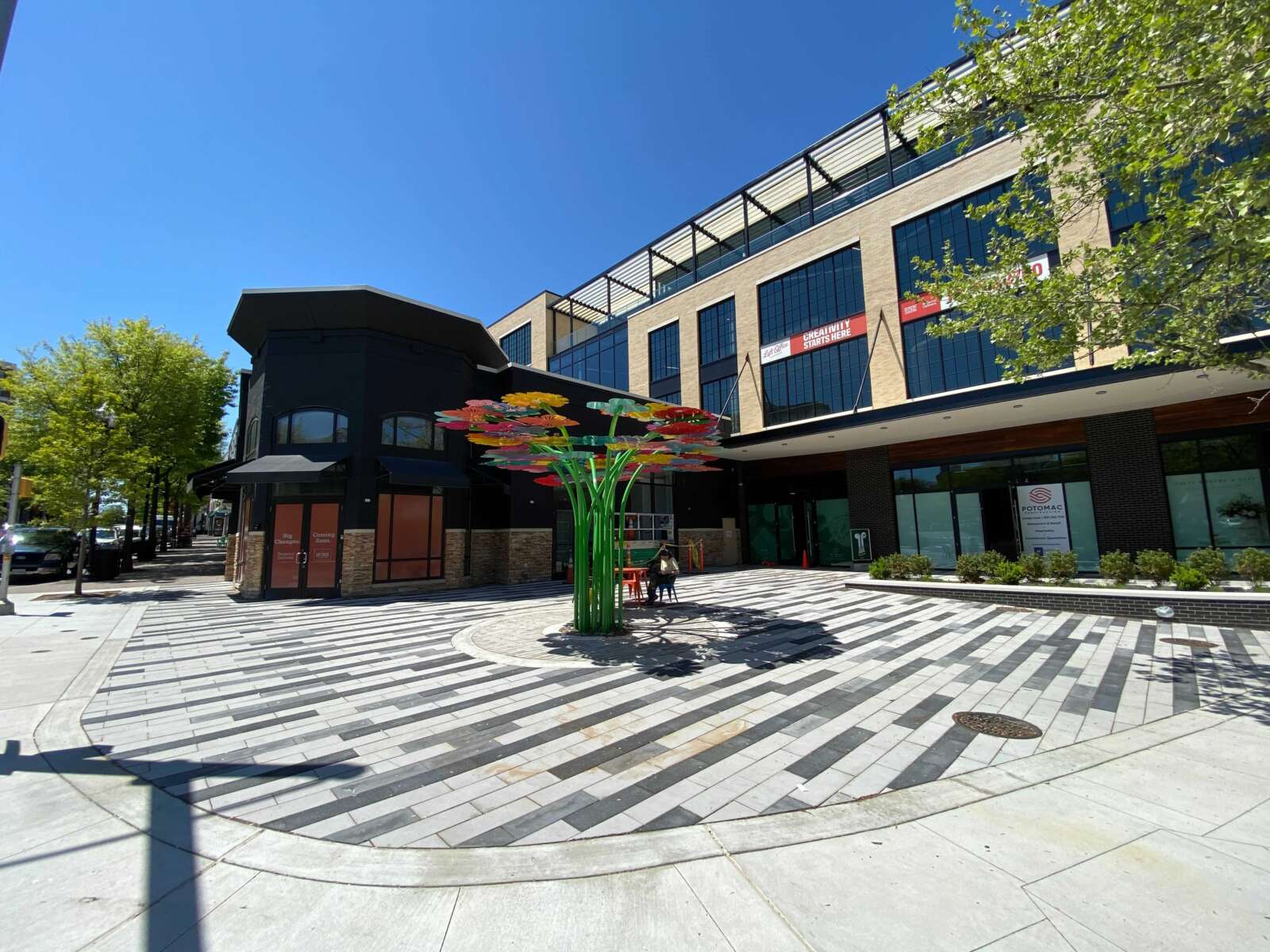
The Crossing Clarendon (staff photo)

(Updated at 2:10 p.m. on 8/3/21) Upscale health club chain Life Time is opening a huge new fitness center at The Crossing Clarendon, a stretch of retail formerly known as Market Common Clarendon.

Life Time’s opening is currently expected to happen in the first few months of 2023, said Andrew Kabat of Regency Centers, which owns the multi-block development, which mixes retail, residential and office space.

“It’s really such an exciting, well-rounded lifestyle offering that I think will be a massive statement for this community,” Kabat said. “Being very high-end and luxury focused, it fits in well with the Clarendon community.”

The gym will occupy 113,000 square feet of space at 1440 N. Edgewood Street, where, up until recently, an Equinox gym was expected to move in. In February, Regency Centers sued Equinox, alleging breach of contract.

The Crossing has undergone a recent renovation and rebranding and, starting with Life Time, Regency Centers is on the cusp of announcing several other new retail tenants.

The new gym will take up 5,000 square feet on the ground floor as well as the entire second, third and fourth floors, compared to the nearly 30,000 square feet of space Equinox was set to occupy. Life Time will offer workout spaces, a spa, a co-working space and room for group fitness classes, as well as a food and beverage component and places to drop off kids.

“It’s just that well-thought out,” said Kabat, who helped to land the leasing deal with the company. “Their brand, the way they’ve really integrated themselves into the community — they’re a lifestyle brand. They’ll offer a lot of different amenities.”

Unlike most other Life Time locations, the Clarendon outpost is in more of an urban setting, spanning multiple stories, rather than occupying a freestanding facility in a suburban area, he said. The fitness center will also be “the catalyst” for other exciting announcements, Kabat said.

The building that Life Time will occupy was an vacant office space when Regency Centers acquired it in 2016. It was gutted and a fourth floor was added, and construction was completed last summer. Between Life Time and Tatte Bakery and Cafe, which is also moving in on the ground floor and is expected to open in early September, the building will be 93% leased.

In total, the building has eight retail spaces on the ground floor: Tatte and Life Time are the only two publicly-announced tenants at this time, but Regency Centers is getting ready to announce five more, Kabat said. Each of these deals was agreed to during the pandemic.

“Once we add those other five users, we’ll be at 98-99% leased,” he said. “We feel good that we’ll be 100% leased by end of the year.”

Among the building’s ground floor spaces is the former location of beloved live music venue Iota Club and Cafe, which closed in 2017.

The leasing announcements are in addition to other changes coming to The Crossing Clarendon, including a new pedestrian plaza near Barnes and Noble. Recently, custom framing store Framebridge opened at The Crossing, along Clarendon Blvd.


(Updated at 2:50 p.m.) A multi-year legal battle between a family and Arlington Public Schools over the appropriateness of their child’s special education support ended this summer with a decision in APS’s favor, handed down by federal court.

While the avenues for dispute resolution dead-end there for the family, the decision provides an insight into how fraught the special education system can be. What is supposed to be a collaborative effort among schools and parents can turn into a grueling legal process if the parents and the school system disagree over aspects of the child’s disability or which setting best meets their needs.

In this case, the parents sued APS, requesting it pay for tuition at a private day school that — according to them — would be better for their child than Williamsburg Middle School. The federal court decision said APS did not have to pay the cost of tuition.

The court also overturned a lower ruling by a state officer who said the school system should reimburse the parents for a private evaluation they obtained. A psychologist found their child exhibited disabilities that APS did not find in their evaluation.

This case reveals how some decisions favor schools partially because parents make procedural missteps before they realize that every step of the process could become evidence in a hearing later on, special education lawyer Juliet Hiznay tells ARLnow.

She said both the hearing officer and the federal decision were well-reasoned, and that the parents made a couple of common errors.

“A lot of parents get caught up in sort of what I call traps for the unwary: not preserving their claims, not communicating them during meetings, not getting them on the record,” she said.

That the case reached federal court is also exceedingly rare, because the special education legal system is set up to have these issues resolved in meetings and mediation sessions, she said. The parents sued after an administrative process with an independent hearing officer did not go in their favor.

“There is a risk associated with doing this. There’s an emotional toll, and practical price to pay: School districts don’t like being sued, so the relationship gets destroyed when you sue a school division,” she said. “And many parents are afraid, and some of them have more than one child, and they don’t want to risk any kind of retaliation by the school district.”

One family’s experience

The boy at the center of the lawsuit is currently attending a private school in Sterling, Virginia, according to federal court documents. The home school is Nottingham Elementary School, which he attended from kindergarten through fourth grade.

While at Nottingham, his parents and school officials noticed he struggled academically and socially. During an assessment in the first grade, he “presented with difficulty in a number of different areas” including reading, writing and math, attention and organization and making friends, according to a lawsuit filed on behalf of the parents.

He was given an Individualized Education Plan (IEP), a document outlining the services the school will provide, under the category of “specific learning disability.” But by fourth grade, he “still continued to struggle greatly,” per the lawsuit.

According to Virginia Department of Education data, APS has been providing services to steadily more children with presumed or diagnosed specific learning disabilities in the last four years.

https://public.flourish.studio/visualisation/6875805/

(more…)


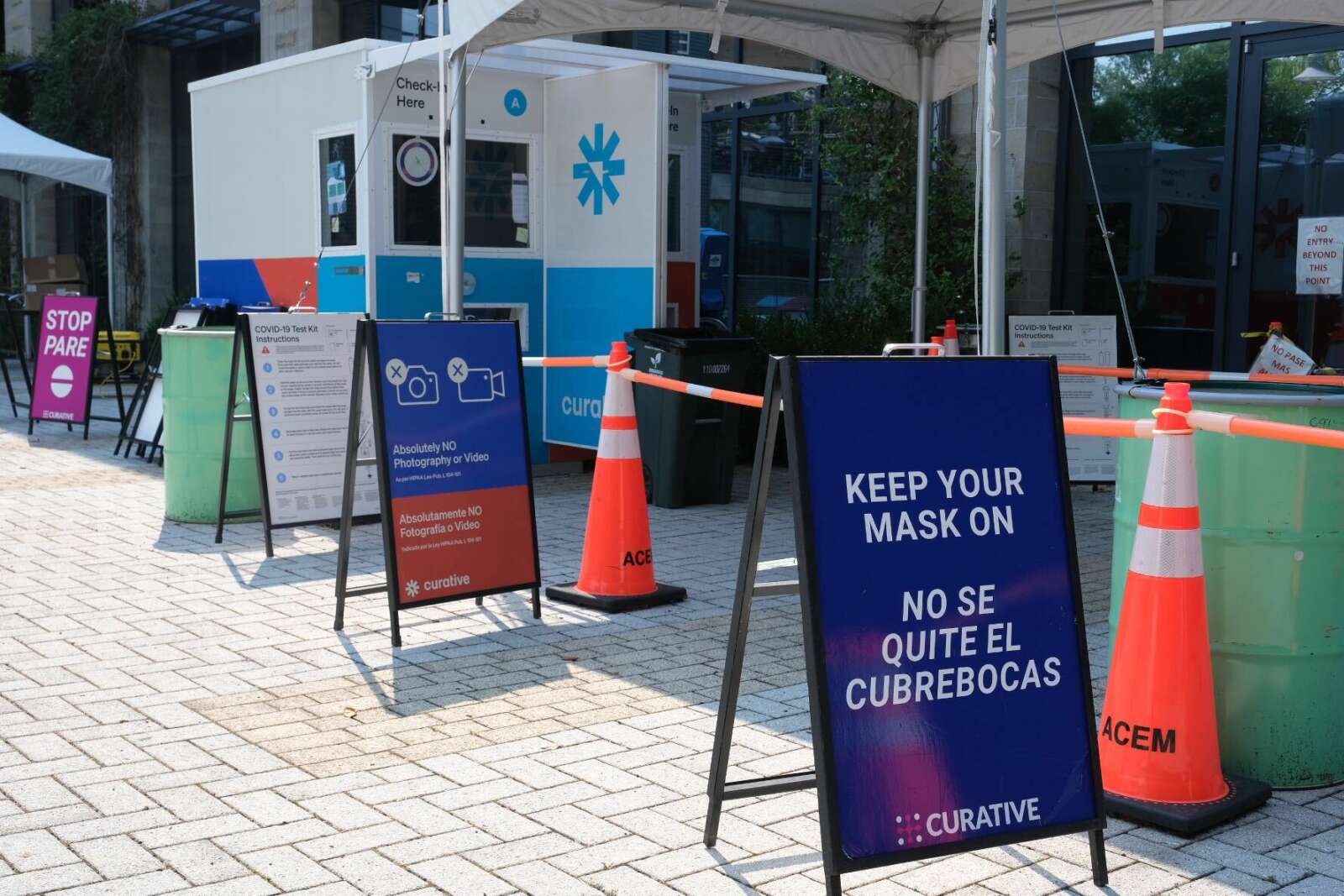
Arlington Public Schools will require universal masking at the start of the school year, regardless of vaccination status, according to an email to families this morning.

The order applies to all students, staff and visitors inside APS buildings and on school buses, Superintendent Francisco Durán said in the announcement. Masks will not be required when eating or during outside recess, P.E. class, athletics and other outdoor activities.

The new school year begins Monday, Aug. 30.

“Universal masks are part of a layered approach to help our schools stay open and safe, and to ensure all students can safely return to our buildings, especially when physical distancing is not possible at all times and not all our students are eligible yet for vaccinations,” Durán wrote.

APS’s new mandate mirrors the rules for in-person summer school. It comes amid a rise in COVID-19 cases in Arlington County, fueled by the more contagious Delta variant. The announcement comes on the heels of similar universal mask mandates announced this week by Fairfax County and Montgomery County public schools.

This week, the Centers for Disease Control and Prevention updated its mask guidance to recommend that even vaccinated people wear masks in indoor, public settings where prevalence of the virus is elevated.

“Universal masking for the start of the school year aligns with the latest CDC guidance, and the recommendations of local and state public health authorities, to help ensure all students can safely return to school buildings,” Durán said.

Citing CDC guidance, Durán said a student who is within three to six feet of an infected student will not be considered a close contact as long as both students are wearing masks and the school takes other precautions.

“We will continue to regularly review our masking practices and other health and safety measures to keep them in line with national, state and local health recommendations,” Durán said. “As guidance changes, we will keep the community informed of any changes to our practices.”

Durán encouraged families to vaccinate children ages 12 and older.

“The most effective tool for protecting our school community and preventing the spread of COVID-19 is vaccination,” he said. “We look forward to welcoming students back to school for in-person learning, five days per week.”


The county review process is just about to begin for Greystar Real Estate Partners’ proposed redevelopment project for the vacant Wendy’s site in Courthouse.

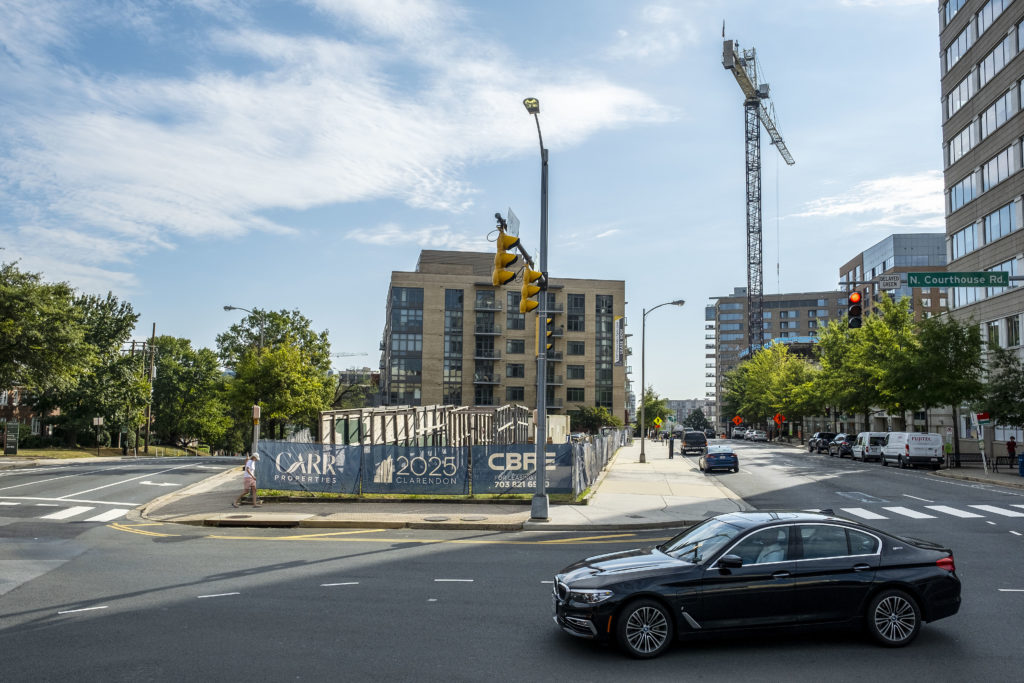
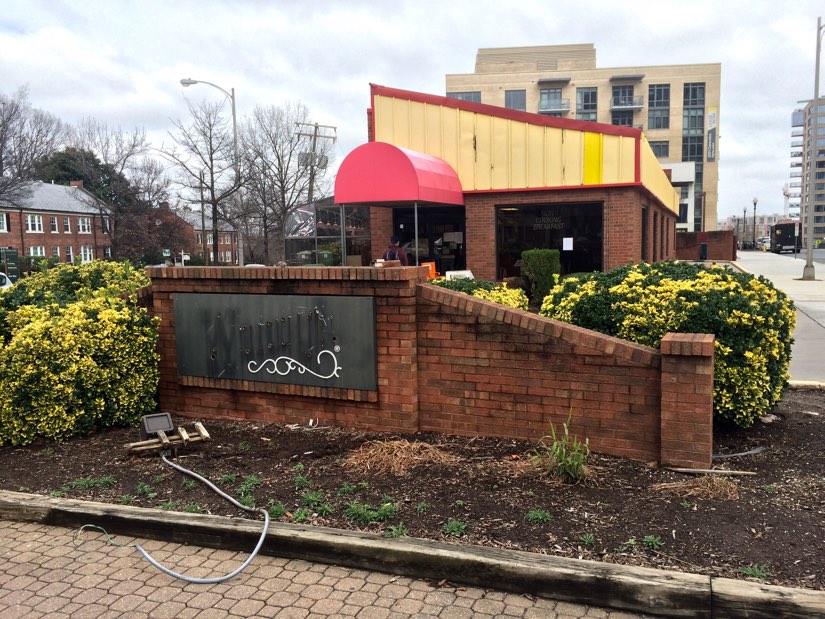
It’s the same process that former developer Carr Properties went through seven years ago to get county approval to build an office building. After Carr received the County Board’s go-ahead in 2015, the fast food spot was demolished in 2016 but the office building never materialized.

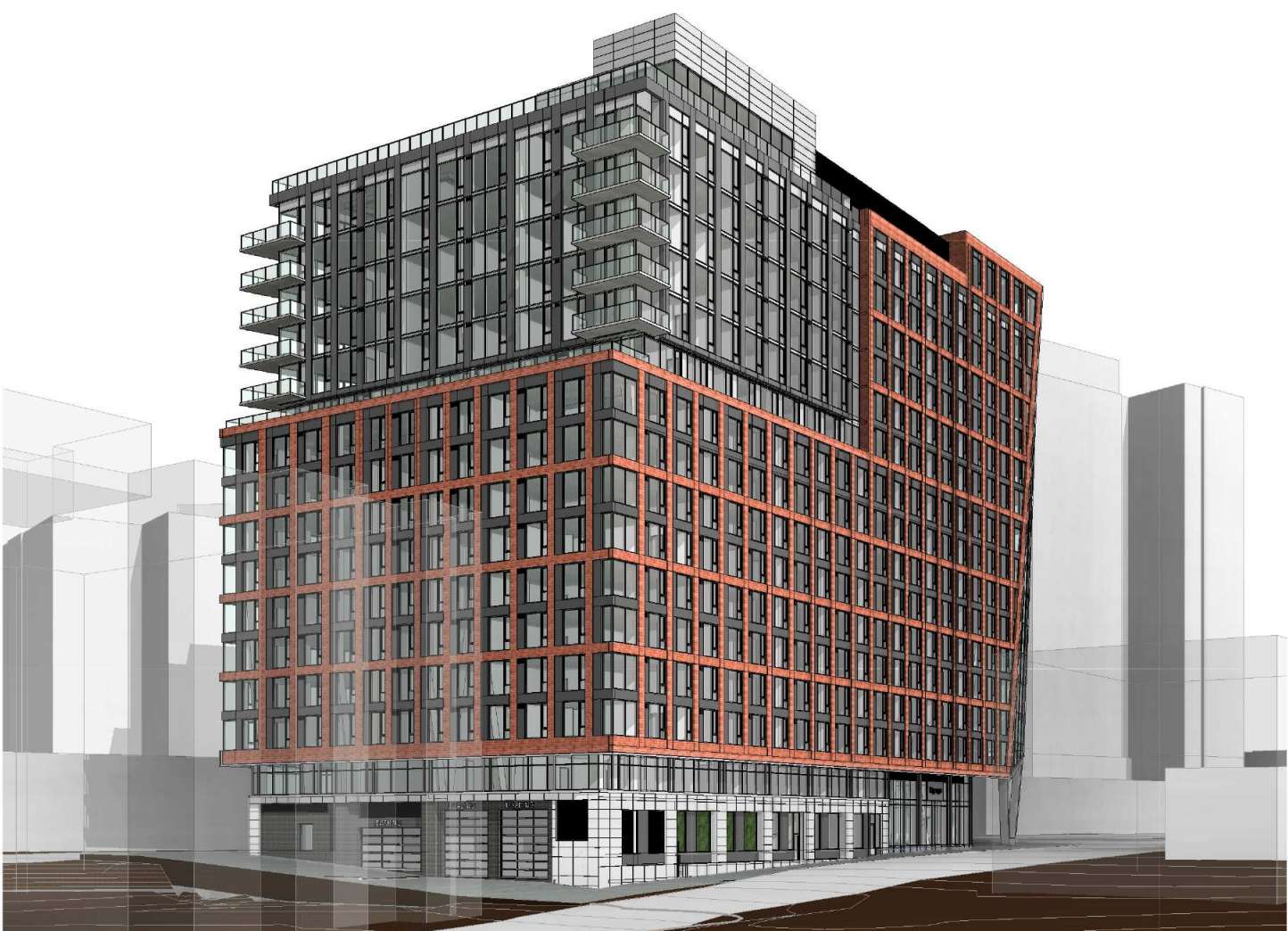
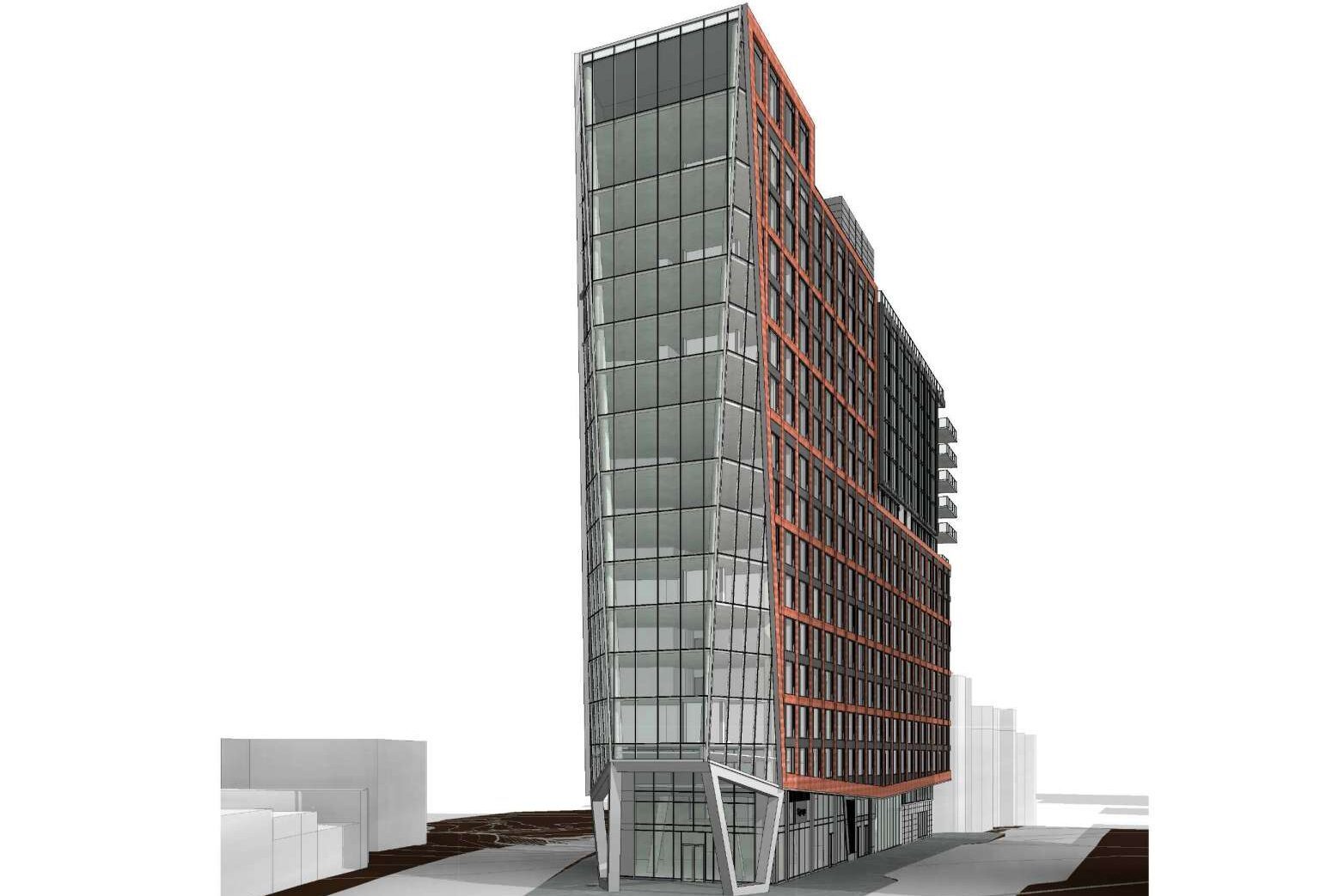
For almost five years the triangle lot sat vacant; for the last two years it was used as a construction staging area for the 2000 Clarendon condo project across the street. Now, the site plan review process is about to kick off for Greystar’s plans to turn the 0.57-acre lot at 2025 Wilson Blvd into a 16-story apartment building, with up to 231 residential units and 4,000 square feet of retail, according to the county’s site plan website.

In September, residents will have an online engagement opportunity in which they can comment on land use, building size, architecture, transportation and open space. Site plan review meetings are slated for the fall, but dates for the final approvals from the Planning Commission and the County Board are still to be determined.

As part of the project, Greystar proposes a nearly 3,300-square-foot public pedestrian plaza at the intersection of N. Courthouse Road, Wilson Blvd, and Clarendon Blvd. The plaza, with movable tables and chairs and space for temporary vendors, would surround a possible retail entrance at the tip of the Wendy’s site, facing N. Courthouse Road.

The project includes a 104,789 sq. ft. transfer of development rights from “Wakefield Manor,” a small garden-apartment complex less than a half-mile from the proposed development. The housing on N. Courthouse Road — featuring Art Deco and Moderne design elements — is designated as having “a historic easement,” according to the county.

That could be part of Greystar’s plan to achieve higher density while providing affordable housing. Greystar’s proposal clocks in at 166 feet tall and 16 stories, much higher than the recommended maximum of 10 stories in the Rosslyn to Courthouse Urban Design Study.

Documents filed in April stated Greystar “is open to the provision of on-site affordable housing to further justify the increase in height” but said nothing further than that the developer is committed to “work with staff throughout the site plan process to develop an affordable housing plan.”

Another development preparing for site plan review also proposes using the transfer tool. Insight Property Group plans to transfer density from garden-style apartments it owns on Columbia Pike to the Ballston Macy’s, which is set to be redeveloped as an apartment building.

Greystar, meanwhile, has another project in the works nearby. Demolition has started of the low-slung commercial buildings that make up the Landmark Block, making way for a new 20-story apartment building adjacent to the Courthouse Metro station.

Hat tip to @CarFreeHQ2


Amid a rise in coronavirus cases, community leaders and the Arlington County Public Health Division are continuing to find ways to target particular demographics for which more outreach is needed.

So far, 70% of the adult population in Arlington and 61.8% of the county’s entire population has at last one dose of the COVID-19 vaccine, excluding federal doses, according to the Virginia Dept. of Health dashboard. Nearly 64% of the adult population and 56% of the overall population is fully vaccinated. But these percentages start to vary more when broken down by age group, race and ethnicity.

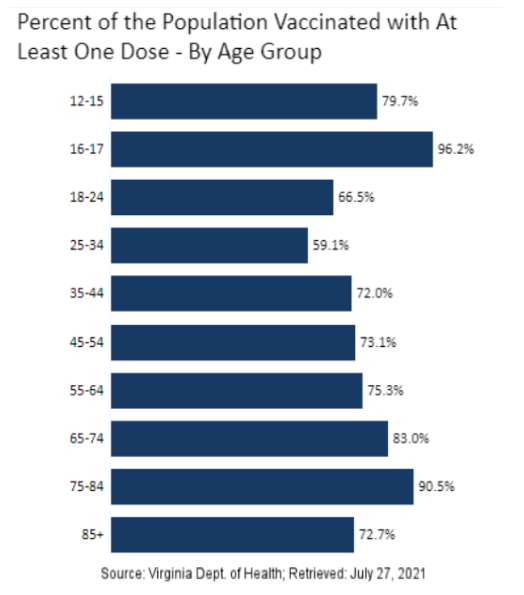
For example, vaccination rates differ by nearly 20 percentage points between Asian or Pacific Islander and Latino Arlington residents, whose rates surpass 70%, and Black and white residents, whose rates hover around 56-58%. Meanwhile, the age group with the lowest vaccination rate is 25- to 34-year-olds, 59% of whom are vaccinated, while the highest rate is among 16-17 year olds, of whom 96% are vaccinated, according to VDH data.

Some disparities, particularly in sub-groups with larger population counts, can be tied demographic factors. But some data points, especially for smaller population sub-sets, may be tied to estimation errors, according to the Virginia Dept. of Health.

According to VDH spokeswoman Cindy Clayton, certain demographics with smaller population counts can lead to these high percentages.

“This is likely due to estimation error in the population data, especially when the denominator is a small group, like 16-17 year-olds or Native Americans,” she said. (More than 106% of local Native Americans appear to be vaccinated, according to the state dashboard).

The state health department uses census data compiled and modeled by the Centers for Disease Control and Prevention to calculate vaccine percentages at the local level.

“Although efforts were made to use the best available data and methods to produce the bridged estimates, the modeling process introduces error into the estimates,” according to the CDC’s explanation of the demographic data it stores.

Vaccination rates by race and ethnicity (via Virginia Dept. of Health)
Vaccination rates by age (via Virginia Dept. of Health)

Although some numbers have to be taken with a grain of salt, at this point, both community leaders and the county are now tailoring their vaccine outreach efforts toward “myth-busting” and focusing on particular subgroups.

“Arlington continues to encourage everyone 12 and older in Arlington to get vaccinated to protect themselves, their loved ones and their communities,” said Ryan Hudson, a spokesman for the Arlington County Public Health Division. “Vaccines are free for everyone, and offer the best form of protection against COVID-19.”

The county operates two vaccine clinics, open seven days a week, to accommodate everyone in the community, he said. The division also conducts “field missions” with targeted vaccine clinics at strategic community locations, including libraries.

“Additionally, the County continues to explore creative initiatives (the previously-covered coasters and cocktail napkins; vaccine QR codes at the recent Bands & Brews on the Boulevard; outreach by the Complete Vaccination Committee; etc.),” Hudson wrote.

More recently, the division’s communications have focused on “myth-busting,” which he says is “in an effort to dispel much of the misinformation that exists. Some examples he said include the impact of the vaccine on puberty, fertility, pregnancy and breast-feeding, as well as concern about corner-cutting due to how quickly the vaccine was developed.”

(more…)


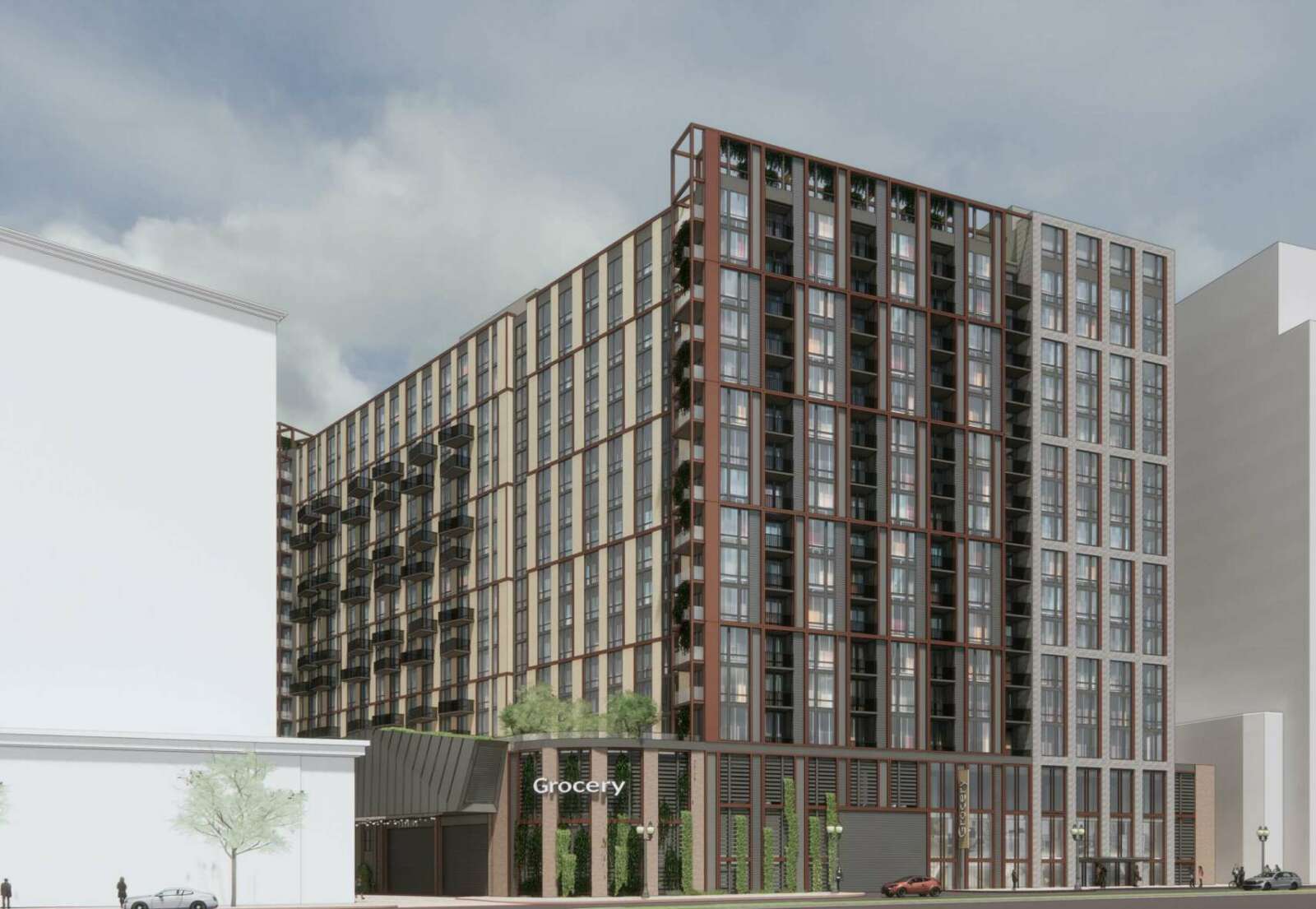
Plans are taking shape for an apartment building set to replace the Macy’s store in Ballston.

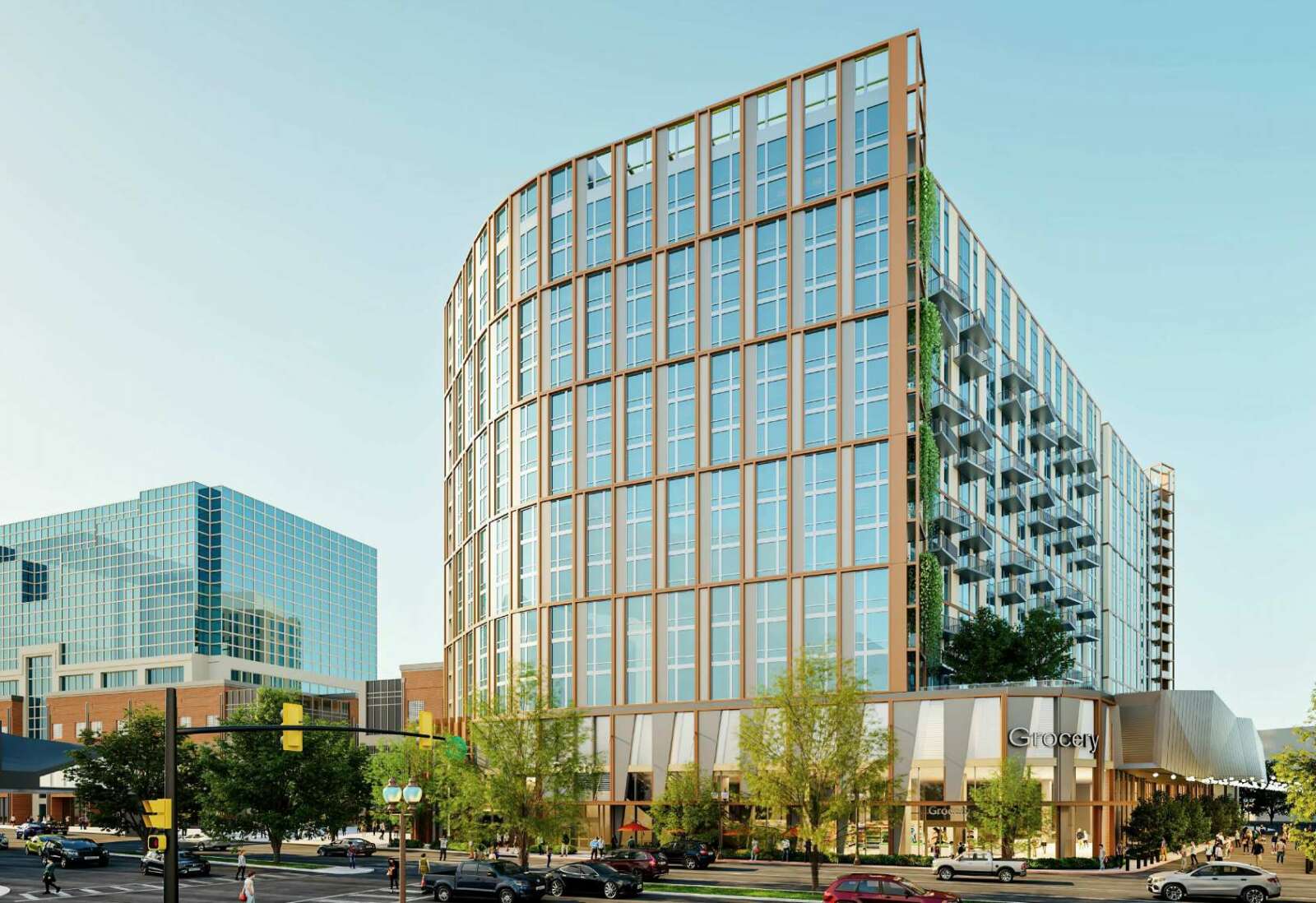
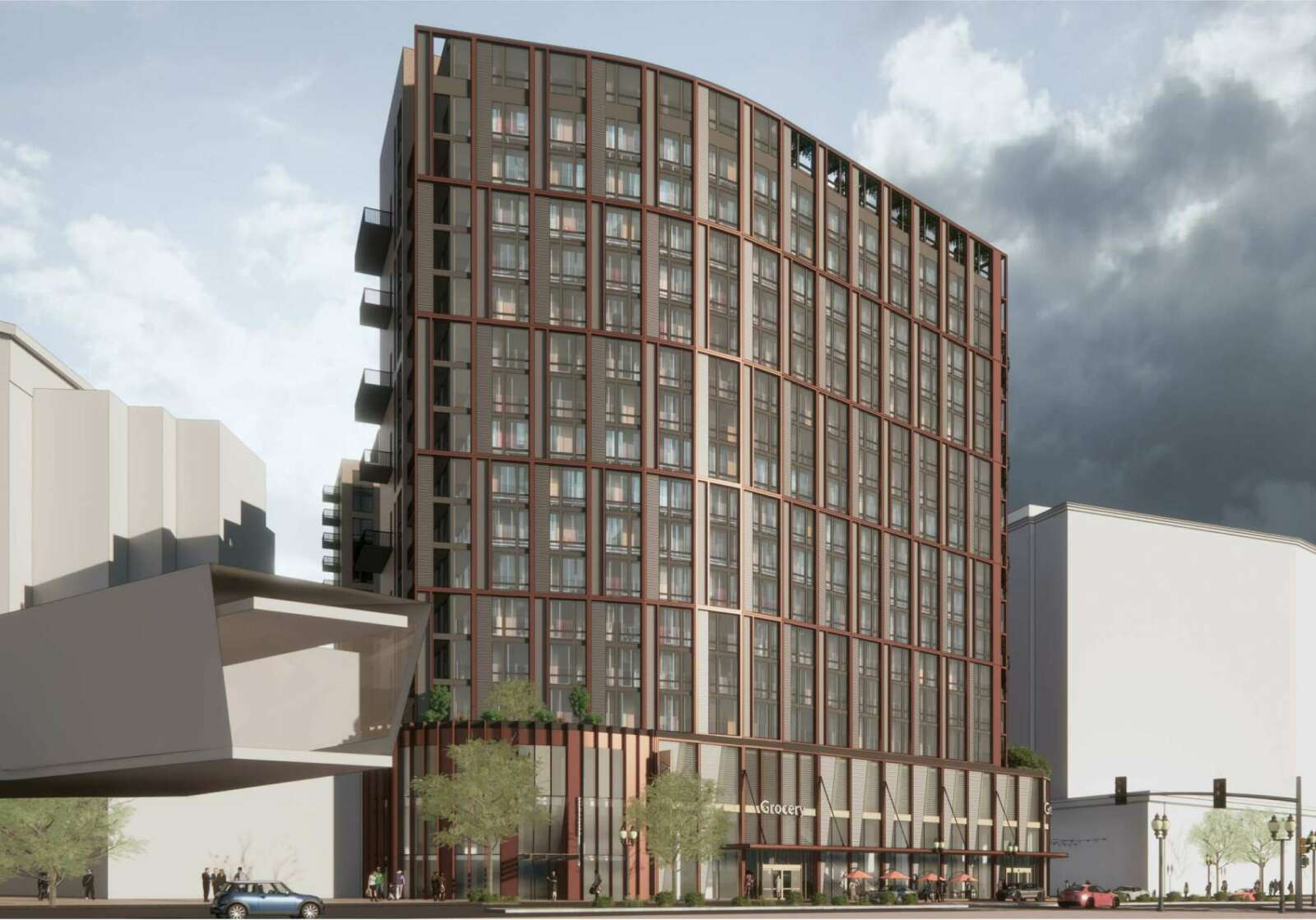
Insight Property Group proposes to demolish the long-time department store and vacant office building at 685 N. Glebe Road, in the heart of Ballston. In its place would go a 16-story, 555-unit apartment complex atop a planned grocery store.

The developer plans to designate 236 units as affordable through the use of a novel zoning tool, and requests the flexibility to possibly dedicate almost half the square footage toward elder care.

The proposed project “will complete the redevelopment of this section of Ballston as well as complement the adjacent Ballston Quarter development,” write land use attorneys Nan Walsh and Andrew Painter, in a letter to the county.

The building was marketed for sale in the spring of 2020. Last summer, the County Board approved an extension until 2023 for the owner to file development plans. Aspects of these designs were first reported by UrbanTurf earlier this month.

Insight will “provide a much desired grocery store and new residential units in a building with high-quality architecture that is within short walking distance to many community amenities and transit options,” said their attorneys, from the land use firm Walsh Colucci.

At 563,336 square feet, the complex would be 198 feet tall and have 41,500 square feet of ground floor retail space. Residences would be split between a northern tower, with an entrance on Wilson Blvd, and a southern tower, with an entrance on Glebe Road. The towers would be built in two phases, UrbanTurf reported.

“The two portions of the building will have distinct, but complementary, architectural features that will form a unified composition,” write Walsh and Painter.

Insight requests “potential flexibility” to convert 201,500 square feet into elder care uses, they said.

The main grocery store entrance will be on Wilson Blvd, and the store will have 148 parking spaces — split between underground and second-floor parking. Residents will have 241 underground spaces.

An “underutilized, ‘back of house’ alley” will be transformed into a “more inviting, safe, curbless shared space for pedestrians, bicyclists, and vehicles,” the letter said.

Wilson Blvd and N. Glebe Road will remain largely the same, save for upgraded sidewalks. Insight will also provide bicycle parking and public art contributions.

As for affordable housing, the company aims proposes using a mechanism in the Columbia Pike Neighborhoods Form Based Code to transfer density and development rights from a Columbia Pike apartment complex it owns to the Ballston site.

To do so, it needs the county to designate the Haven Apartments (5100 7th Road S.), which are garden apartments, as historically important.

That’s because the mechanism it wants to use currently allows developers to transfer density from two other garden apartments, with historic designations, to anywhere in the county. In exchange, developers commit to preserve the buildings, renovate the units and keep rent affordable.

The transfer “will ensure the preservation of committed affordable housing units and architecturally significant buildings in the Columbia Pike corridor,” the lawyers said.

Insight acquired Haven in January of 2017 for $20 million, according to the company’s website. Since then, it has rebranded the property, renovated the units, exteriors and landscaping, and replaced the property management.


Mysterious bug bites (courtesy photo)

Arlington residents say they are being plagued by mysterious bug bites featuring unusual red splotches that are itchier than those left by typical summer suckers.

A Facebook group, “Arlington Neighbors Helping Each Other Through COVID-19,” has helped community members with similar bites find each other, share information and try to get to the bottom of the mystery. There’s been similar chatter on local email listservs.

“I was so grateful to see that I wasn’t the only one experiencing this issue — and apparently many, many others feel the same way,” resident Becca Collins tells ARLnow.

The Facebook thread started on Sunday, when the original poster asked the group, “Anyone else finding that they’re getting bit by something while outdoors that is leaving a lingering mark?” She added that “this has happened to us multiple times in the last 10 days. The bite seems a lot different from your typical mosquito bite, leaving a red patch around the bite that’s been lasting for over a week (as well as the intense itchiness despite Benadryl, etc).”

The post has since received at least 160 responses and been shared eight times. A respondent said she went to an urgent care  clinic “after a sleepless night due to the itching/burning bug bite on my neck, that swelled up into a small patch… It also had red itchy streaks reaching up to my lymph node that became swollen and painful.”

Another reported a similar story.

“Had my daughter at urgent care yesterday,” the poster wrote. “Her two bites look EXACTLY like everyone’s photos here. The doctor at urgent care said they’re seeing a lot of these bug bites.”

Receptionists at three local urgent care centers confirmed they’ve seen an influx in patients with bug bites.

“It is up this summer, more than usual,” said one receptionist for All Care Family Medicine & Urgent Care.

Another for Urgent Care Center of Arlington said “we don’t really know what type of bites they are. Patients come in for a bug bite, but they’re not sure if it’s a tick, mosquito or spider bite.”

Collins said hers was different from a tick bite, which is ringed by a clearly defined red circle. Hers and “many of these welts have ‘trailing red tails’ coming from them,” she said.

The Facebook group members have hatched a theory that these bites are tied to oak itch mites, or pyemotes, which are thought to feed on cicadas eggs. Similar outbreaks of itchy bug bites have coincided with periodic cicada cycles in Chicago and Northern Ohio.

“They are the gift that keeps on giving,” one resident tells ARLnow of the Brood X cicadas that swarmed the D.C. area. The cicadas may also be linked to a wave of dead birds this spring and summer.

These mites feed on insect larvae that inhabit oak trees, according to previous news reports and academic papers. And this year, with thousands upon thousands of eggs laid by cicadas, there was a veritable feast for the mites.

“Until I saw the post, I thought I was getting eaten by spiders in my sleep and was going to take some serious mitigation steps, but if the mite theory is correct, that saves me A LOT of work and worry,” one tipster told ARLnow.

Kurt Larrick, the assistant director of the county’s Department of Human Services, confirmed that residents are reporting these strange bites to the county. But county staff cannot say anything definitive yet about the phenomenon.

“We are tracking reports and consulting with internal and external subject matter experts,” he said. “However, there is no clear cut answer at this point.”

(more…)


An apartment complex in Lyon Park recently issued a warning to tenants saying the only place for child’s play is the playground.

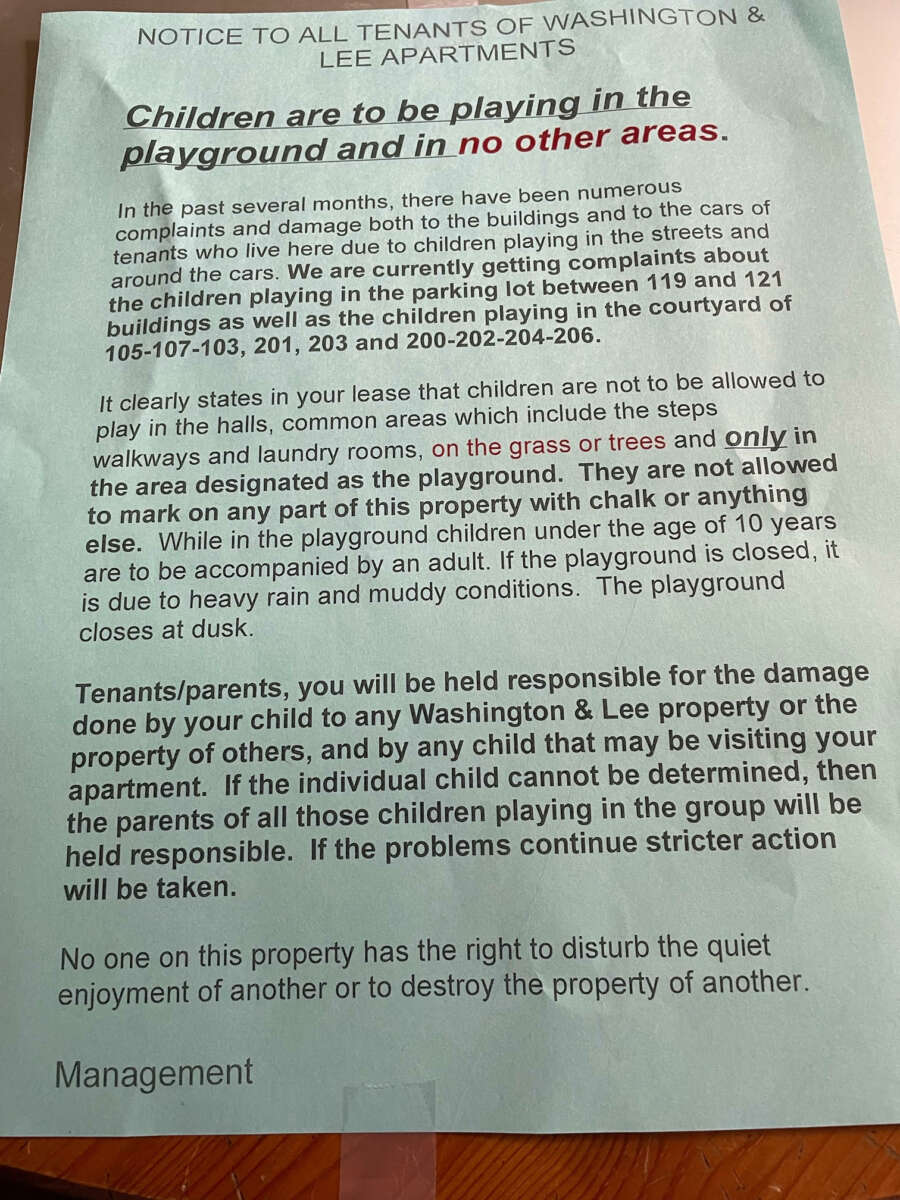
A note provided to ARLnow, addressed to the residents of Washington & Lee Apartments (2200 2nd Street N.), said “children are to be playing in the playground and in no other areas,” in bolded, italicized and underlined letters.

They cannot play in “common areas which include… on the grass or trees,” only the area designated as the playground, according to the note.

It’s one of two notes ARLnow has obtained indicating that some apartment communities are cracking down on play in common areas in response to an uptick in complaints from other tenants about noise and property damage.

The note to Washington & Lee tenants (courtesy of anonymous)

The Washington & Lee note was a first for Nicole Merlene, a Tenant-Landlord Commission member and ARLnow opinion columnist. She tells ARLnow it describes a potentially discriminatory practice and reveals the need for Arlington to offer mediation services between tenants and landlords.

“Since I have been on the commission we have not received a complaint of this kind where there is potentially discrimination based on age for activities,” she said.

The note responds to an increase in complaints from tenants about damaged cars from kids playing in the parking lot, a property manager for the complex told ARLnow. In a phone interview, the manager said five complaints have come in the last few months of kids hitting cars with rocks or scratching them up with scooters and bikes. As for the trees and grass, the manager said kids were breaking limbs and digging holes.

“It’s just gotten to the point where the damage and complaints were so bad I’d have to take action,” the manager said. “Because of COVID… [parents] didn’t have adequate care and the children were just left at home on their own.”

The note also bans sidewalk chalk because kids drew on the brick walls, according to the manager. The note said “stricter action will be taken” if the problems continue. In 2014, the same apartments launched a campaign against tenants feeding squirrels.

Merlene said that these kinds of landlord-tenant disputes could be resolved through an out-of-court mediation service — one that Arlington has not had since it was defunded a few years ago, she said.

“This type of out of court service requires both parties to willfully participate, but after conversations with both Alexandria and Fairfax, it is by and large extremely successful at finding a solution when a tenant is the one bringing a grievance,” she said. “The Tenant-Landlord Commission is in the process of looking into ways in which other jurisdictions have successfully provided this service and will recommend a system that works for our community for the Board’s consideration.”

Asked to evaluate the letter, she said commission members are not lawyers or trained in discrimination policy, so commissioners avoid determining if something is illegal. Instead, those with complaints are referred to the county’s Office of Human Rights.

But taking apartmentment owners to court, while a recourse for Arlington tenants, rarely happens.

“Reasons range from fear of potentially losing the case against a big landlord’s lawyer and having to pay their attorney fees, immigration status, cultural barriers, and various other hurdles,” she said.

Complaints of noise and kids’ behavior have also registered with the management office at Union on Queen (1515 N. Queen Street), near Rosslyn.

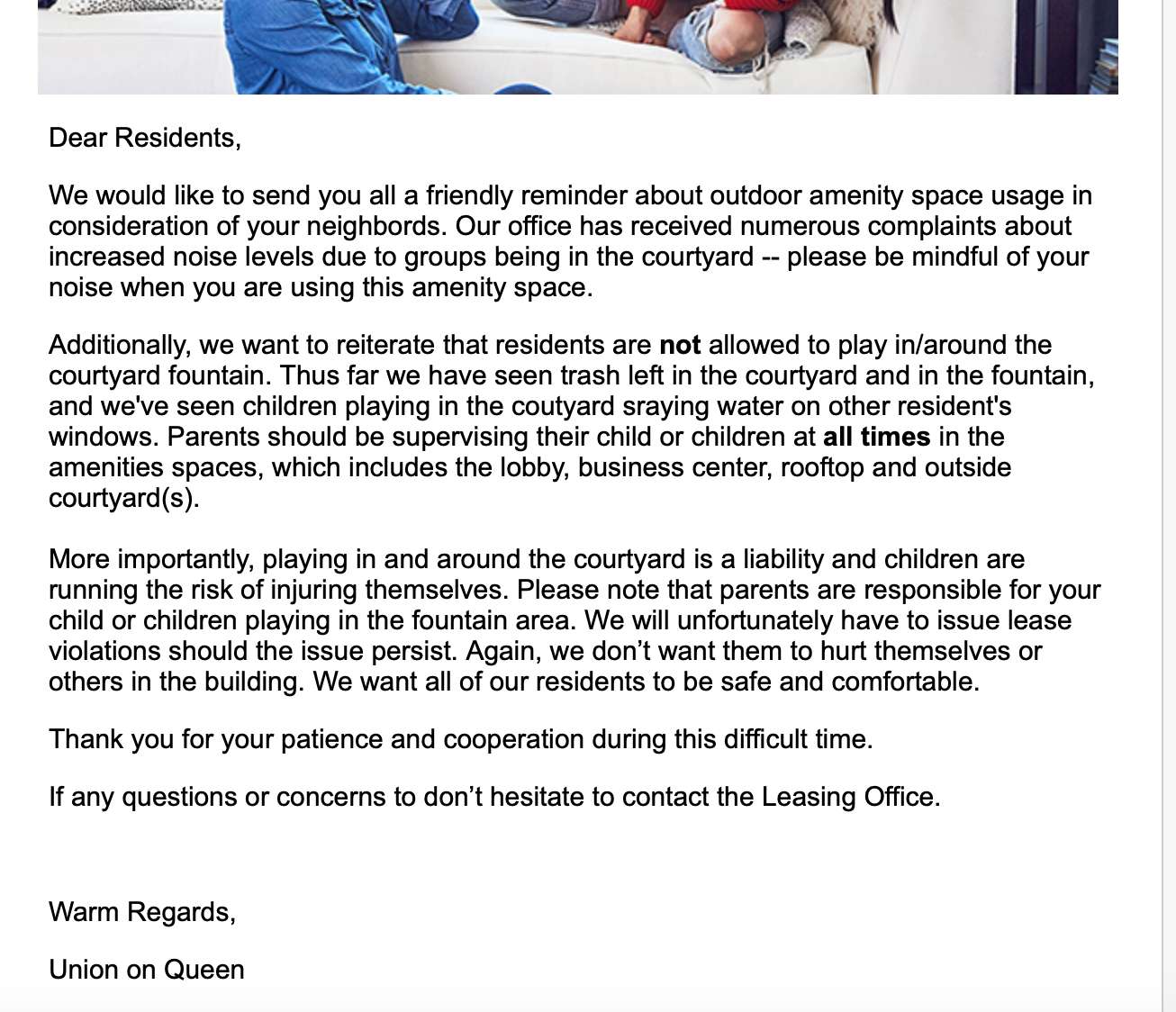
Tenants received a “friendly reminder” that no residents can hang out in or around the courtyard fountain. It told parents they are responsible if their children play there, according to a screenshot shared with ARLnow.

“Thus far we have seen trash left in the courtyard and in the fountain, and we’ve seen children playing in the courtyard [spraying] water on other resident’s [sic] windows,” the letter said.

The Union on Queen reminder also noted that the office “has received numerous complaints about increased noise levels due to groups being in the courtyard and around the courtyard’s fountain.”

“We will unfortunately have to issue lease violations should the issue persist,” the note said. “Again, we don’t want them to hurt themselves or others in the building. We want all of our residents to be safe and comfortable.”

A note to Union on Queen residents (courtesy of anonymous)

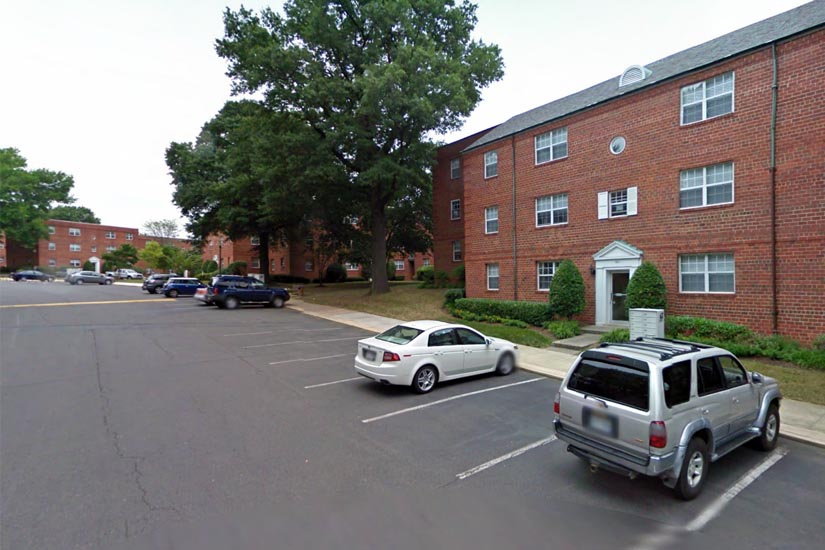
Photo via Google Maps


Reducing local helicopter noise while conducting missions safely may be difficult, the Pentagon says, but the military is willing to try, according to a new report.

The commitment and the recommendations conclude a Dept. of Defense report on the causes and effects of helicopter noise in the D.C. area. This document was completed as a result of Rep. Don Beyer’s amendment to the National Defense Authorization Act, which included noise mitigation recommendations that Beyer and other regional lawmakers have sought for years in response to constituent complaints.

“The recommendations in this report reflect priorities my constituents have sought for years to reduce helicopter noise in Northern Virginia, and would make a real difference across the region,” Beyer said. “In particular, the commitment from DoD to study the possibility of increasing altitudes of helicopter routes would be a real game changer.”

The other action items would help reduce noise and improve transparency and engagement with the community, he said.

“I thank the Department of Defense for undertaking and releasing this report, and urge the rapid implementation of these recommendations,” Beyer said.

Residents of certain Arlington neighborhoods have lived with helicopter noise for many years, and it is a thorny issue among them. Previous discussions around noise mitigation ended in a stalemate, as officials say agencies have to also consider safety, which includes avoiding the abundance of commercial airplanes in the region.

There are more than 50 helicopter operators in the area and the biggest contributor is the Army, followed by the Marine Corps. The Army, Marine Corps and Air Force combined conducted 21,863 operations — although that does not translate to 21,863 flights. About eight flights per day used the Pentagon helipad, which is limited to only DoD-directed exercises and three- and four-star executive –and civilian equivalent — travel.

This new report finds that the flights currently occurring at levels “considered acceptable” based on Army, DoD, and federal land use compatibility recommendations. It did acknowledge, however, that studies find helicopter noise is “much more variable and complex” than airplane noise.

The DoD pledged to take four broad steps toward possibly reducing noise.

One notable recommendation is that DoD will discuss the possibility of increasing altitudes of helicopter routes with the Federal Aviation Administration.

Currently, FAA assigns helicopters to lower airspace because the airways are dominated by large commercial passenger jets, namely those landing at Reagan National Airport and Dulles International Airport.

“The airspace within the [National Capital Region] is one of the busiest and most restrictive in the United States,” the report said. “The military helicopters that operate within the NCR are sharing airspace with three major commercial airports and are required to follow the helicopter routes and altitude restrictions established and enforced by FAA.”

And a majority of helicopter operators have expressed concern that changing the altitude could reduce safety for all aircrafts, saying that “establishing quiet or restricted zones would negatively affect their mission.”

Other recommendations include continuing to track and analyze helicopter noise complaints to identify potential trends as well as adjustments that the Army Aviation Brigade, 1st Helicopter Squadron and Marine Corps Helicopter Squadron 1 could make.

DoD said it will also work with FAA to obtain flight track data trends to look at compliance with local flight procedures and helicopter routes, and address any potential corrective actions. Finally, DoD said it will work with the Army and Marine Corps to ensure “fly neighborly” and “fly friendly” procedures are being reinforced and examine the procedures currently being used.


Sponsored by Monday Properties and written by ARLnow, Startup Monday is a weekly column that profiles Arlington-based startups, founders, and other local technology news. Monday Properties is proudly featuring 1515 Wilson Blvd in Rosslyn. 

Ballston startup GoTab, which facilitates QR code ordering in restaurants, has picked up a lot of extra tables over the last 18 months.

“We’ve continued to grow,” CEO Tim McLaughlin said. “We lost a couple of clients nostalgic for the old way, but our product is fully compatible with operating a classic restaurant.”

GoTab, which launched in 2016, operates in restaurants, hotels, resorts, golf courses, festivals and the Capital One Arena in D.C. It does more than provide black squares that guests scan while seated at a table, however. It also targets ordering takeout or delivery and regular sales.

While its services are diverse, GoTab has seen the most growth with QR code ordering — especially during the pandemic, when contactless ordering helped keep restaurants open and staff and diners safe.

GoTab CEO and Founder Tim McLaughlin (courtesy of GoTab)

Last year, the number of payments made through the app grew by 100 times, he said. This year alone, payments are set to increase by 20 times. For the CEO, the staggering growth is hard to quantify to people.

“GoTab gets paid if restaurants get paid, so we measure success by payments,” he said. “People think I’m saying 100% growth. No, it’s 100 times.”

There are a few other signs of growth, too. Today, the company employs 65 staff, up from the nearly 20 it had last year, and the 35 to 45 employees with whom it kicked off 2021. And, as of last month, GoTab expanded into Canada. The company is looking to move into a number of other English-speaking countries, McLaughlin said.

Within a month, it will move into multi-merchant ordering. For example, if a group of friends visits the Ballston Quarter food hall — which is next to GoTab’s offices at 901 N. Stuart Street — everyone can scan the QR code at a table and order from multiple restaurants in one cart with one payment.

“If you go with your friends, you don’t have to all split up and have someone hold the table,” he said. “It’s fun if you want to go check out what they’re selling. If you have been there a few times, and you want to hang out with friends, that’s when it’s not fun.”

Businesses see the payments separately and it helps restaurants and customers save money on credit card fees.

A GoTab user scans a QR code to order (courtesy of GoTab)

McLaughlin said the black squares are not aimed at replacing servers. Rather, GoTab eliminates the need to hail down a waiter to add a last-minute order, fight through a crowd to close out at the bar, or wait for the check when pressed for time, he said.

“We are not against servers,” he said. “Right now, in many of our venues, you can order from a server and a phone, and go back and forth. It’s the best of both worlds.”

GoTab plans to transform any industry where payment- and service-related inefficiencies can be solved with tech. Restaurants were the first because that’s where technology was lacking the most, McLaughlin said.

“We’re not trying to eliminate local jobs,” he said. “We’re trying to support them and make them competitive.”

For restaurants, takeout companies such as Doordash, which has its own staff and is starting to open ghost kitchens, is the real competition. For local retail, it’s e-commerce platforms such as Amazon, as customers appreciate up-to-date inventories and quick delivery.

“Local merchants are good at the high-touch part of [the customer experience] but they’re not so good at inventory management and logistics,” he said. “We’re bringing tech to brick and mortar stores so they can be competitive with e-commerce-only companies.”


View More Stories