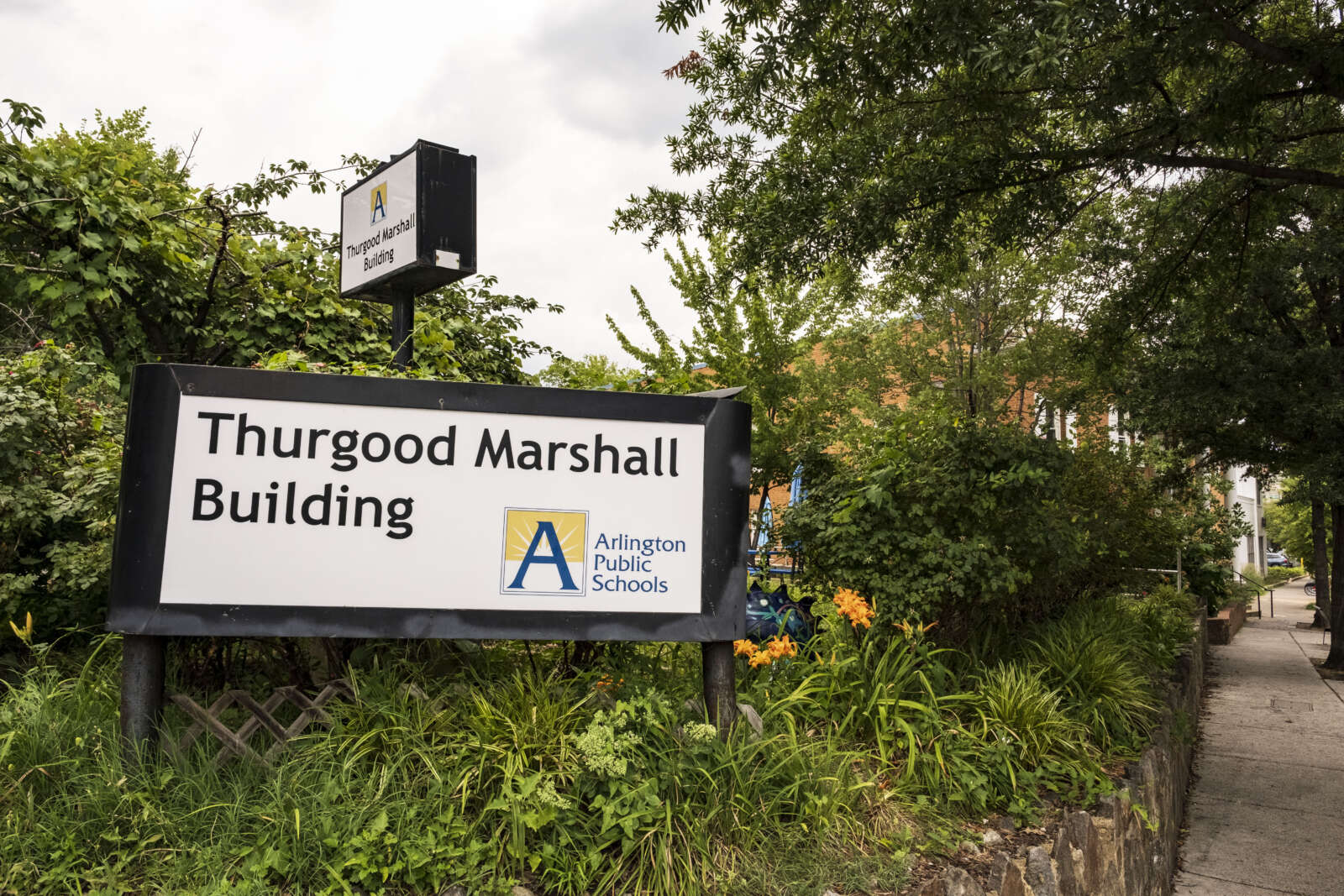
Two Arlington Public Schools programs offering alternatives to traditional high school will soon be housed in the same building.

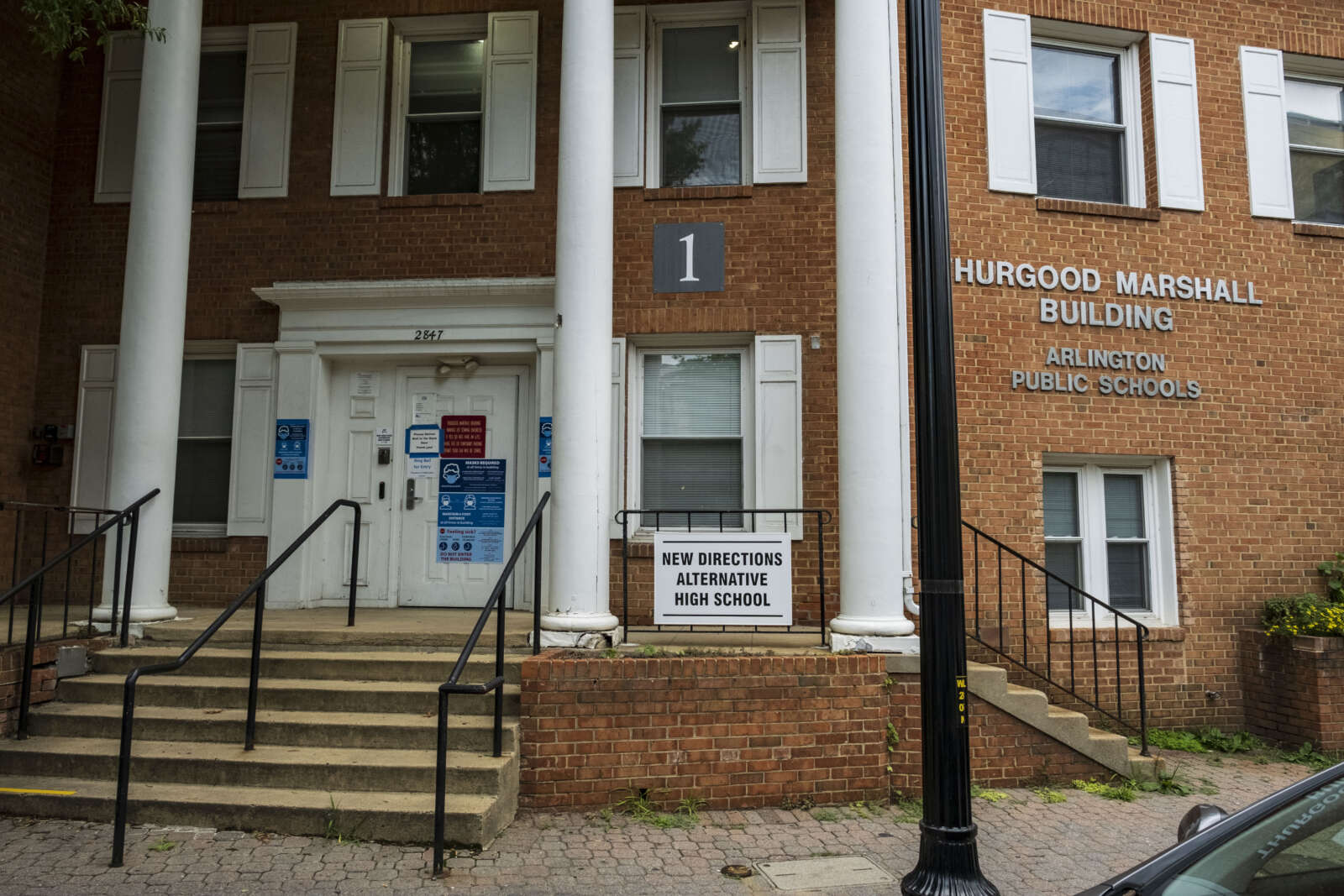
New Directions Alternative Program, currently located in the Thurgood Marshall Building in Clarendon, will join the Langston High School Continuation Program located in the Langston-Brown Community Center along Lee Highway before the start of the 2021-22 school year.

“We are moving New Directions from the Marshall Building to Langston this summer,” said APS spokesman Frank Bellavia. “This is an efficiency for us since many New Directions staff work at Langston.”

New Directions helps students who have trouble in traditional school settings, need strict monitoring or are under court supervision, according to APS. Students successfully exit the program by graduating, returning to their home high school or transferring to the High School Continuation Program at Langston.

One person who contacted ARLnow questioned whether the new location will be a downgrade for students.

“The program diligently serves justice-involved youth, teaching them to reconnect with the Arlington community while achieving their high school diplomas,” the person wrote. “The location has always been important to their success through partnerships with multiple establishments in Clarendon.”

The building at 2847 Wilson Blvd is privately owned and rented to APS. It also houses the Employee Assistance Program, which provides free, confidential, professional assistance and counseling to APS and county employees and their families.

“EAP will remain in there for a little while longer,” Bellavia said.

Arlington County has a little under four years left on its eight-year lease, said realtor Bill Buck, who has already started marketing the space to potential renters on behalf of Steve Woodell, the owner.

Woodell, who runs a funeral home in Alexandria, has owned the building since 1979, when it was Ives Funeral Home. APS moved in about 21 years ago, he said.

Buck said Langston “is a better facility for the students” and he is happy for the students moving buildings.

“[EAP] will likely also leave before the end of the term,” Buck said. “What’s going to happen in the future, I don’t know. We have had interest from people that wanted to build an office building there, but the county would like to see retail on the first floor.”

Buck said he would like to see the space turned into a 100,000-square foot affordable housing building — not an office or retail space that would contribute to the glut of such amenities in Clarendon.

“I think it’d be great for affordable housing,” Buck said.
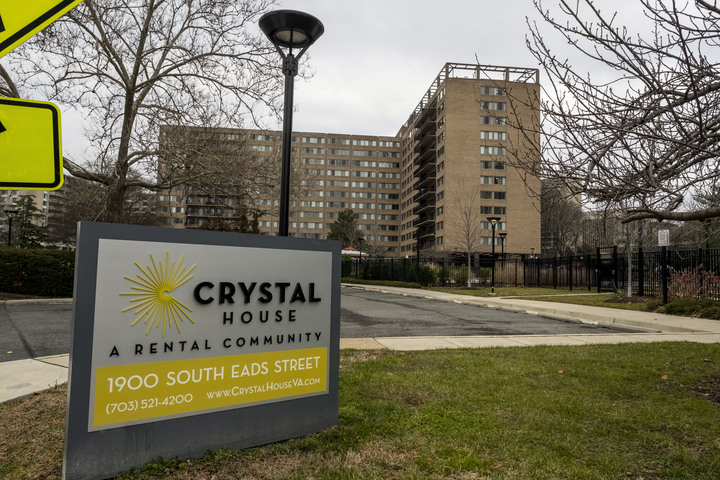

Crystal City could get more affordable housing under a new agreement between Amazon and Arlington County, announced earlier today.

The tech giant said in a new blog post that it would hand over to the county the rights to $40 million in vacant land within the Crystal House apartment property, on which Arlington County could develop more than 550 new affordable homes.

“Amazon is committed to promoting economic inclusion for all families and fostering a thriving community in and around Arlington,” said Catherine Buell, Amazon’s head of community development.

Construction is slated to begin in 2025, the Amazon blog post said.

The contributions are part of Amazon’s new Housing Equity Fund, a more than $2 billion commitment to create and preserve more than 20,000 units in Amazon’s three primary footholds: the Seattle area, Nashville and Arlington.

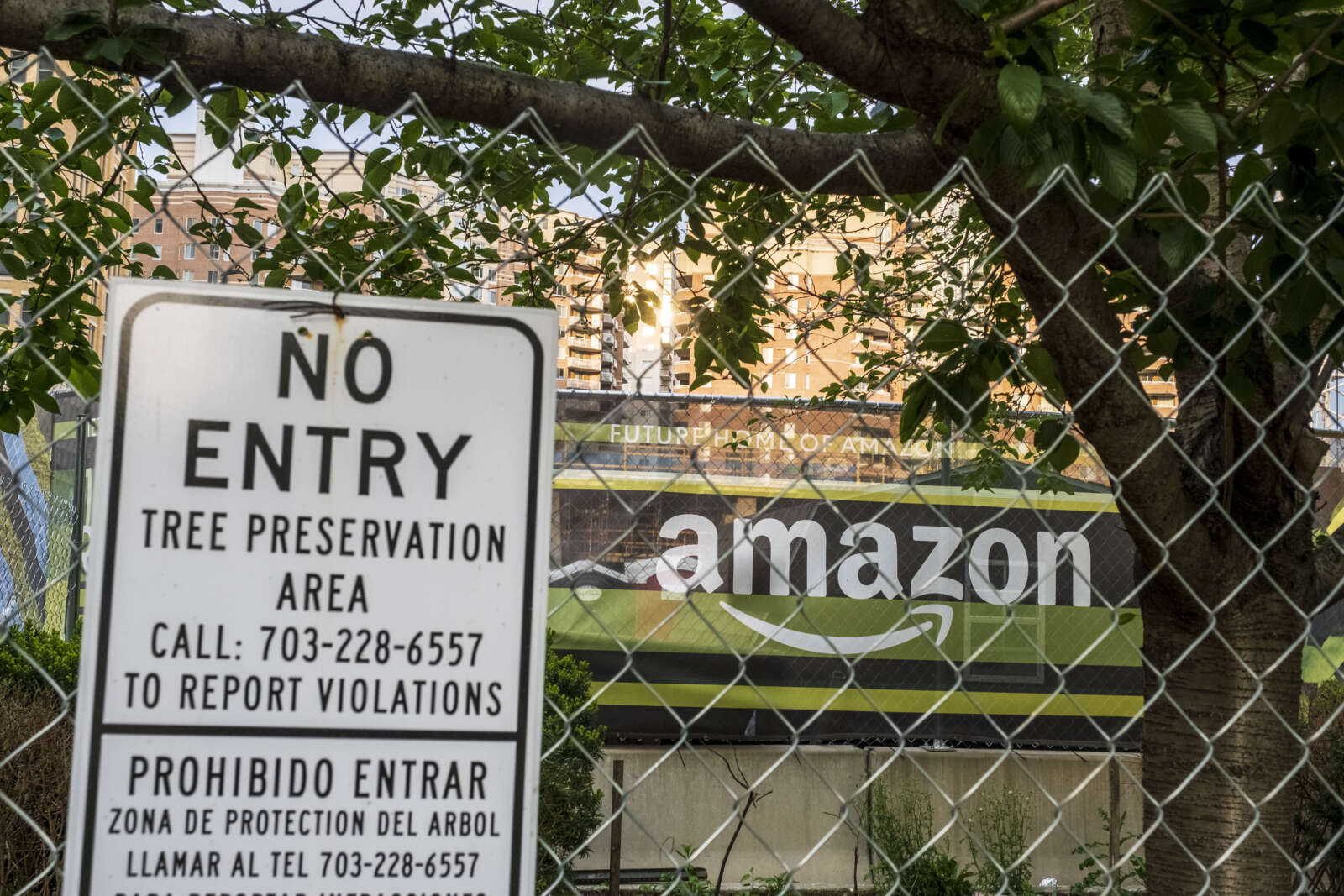
This announcement follows up on a commitment Amazon made in January to preserve 1,300 affordable housing units in Arlington as property values are rising amid its expansion. As part of the commitment, the company financed $381.9 million in loans and grants to a D.C. area housing nonprofit so that it could buy and stabilize rent at Crystal House (1900 S. Eads Street), a set of two apartment buildings one block from Amazon’s future HQ2.

The financing allowed Washington Housing Conservancy to preserve units in the existing Crystal House apartment complex, which has 828 units, for low- to moderate-income residents for 99 years.

“We are excited to build on our earlier work to preserve affordable housing at Crystal House in the heart of our new headquarters,” Buell said. “This donation to the County brings us a step closer to achieving up to 1,300 total affordable homes at the site for families earning moderate- to low-incomes.”

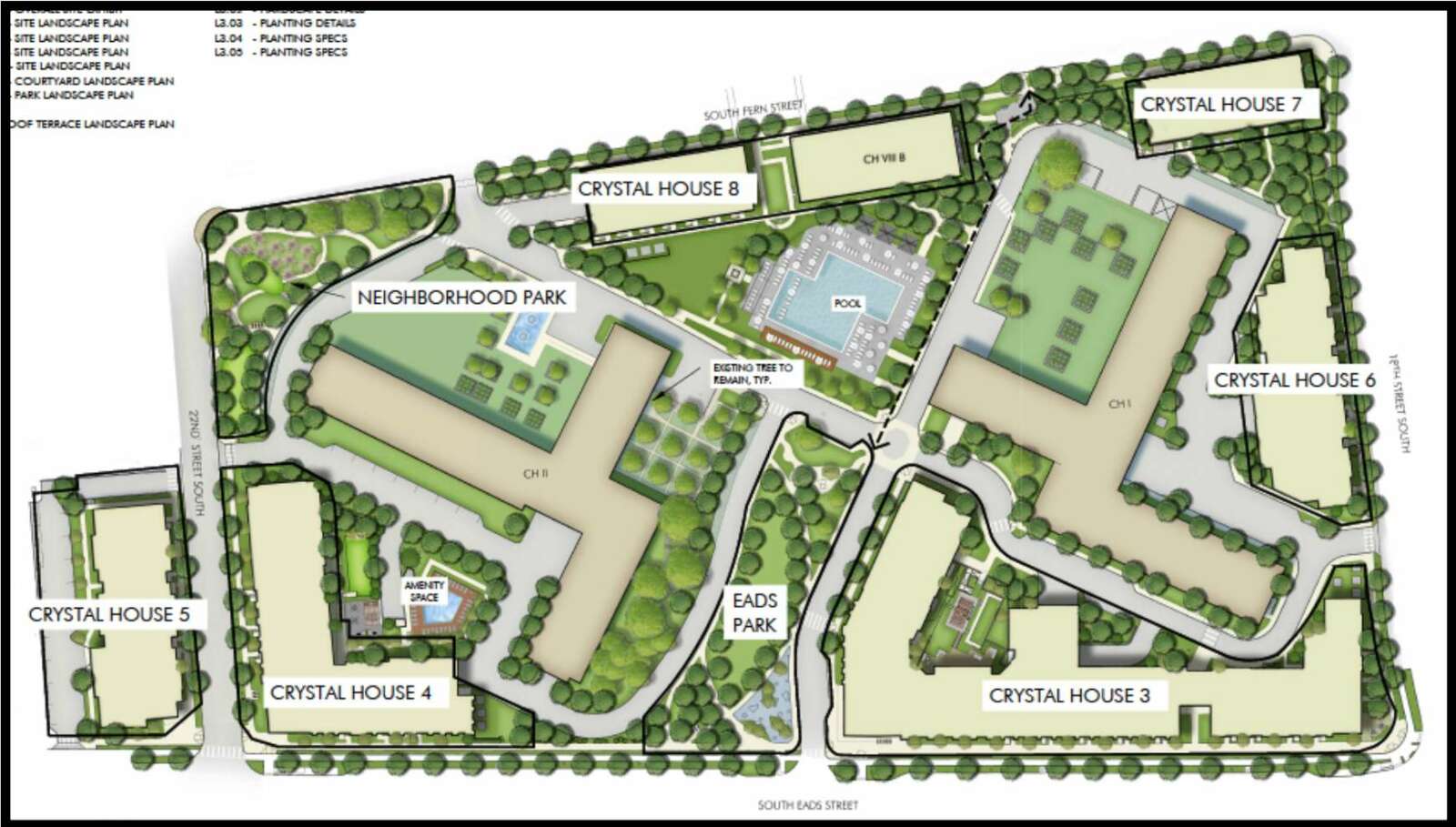
If the agreement is approved, the county will be carrying out a development plan that the County Board approved for the Crystal House property in December 2019. This site is set to have six more “Crystal Houses,” adding 820 units in total, as well as two public open spaces and a protected bike lane along S. Eads Street.

According to a county report, WHC does not intend to serve as the property’s developer, so Amazon purchased development rights for the vacant land. It approached the county in early 2021 with its plan to give the property to the county to develop.

Proposed development plan for Crystal House property (via Arlington County)

According to Arlington County’s map of projects, the project’s status remains “approved.”

The Arlington County Board is set to review the agreement during its regular meeting this coming Saturday, July 17.

“Amazon is demonstrating dedication and commitment to the Arlington community with this game-changing opportunity to increase affordable housing in the County,” said Arlington County Housing Director Anne Venezia. “Future development on the Crystal House site will help bolster critical housing supply goals in an area with limited affordable housing options.”

If the board accepts the gift, the county will embark on a national search for a master developer and sub-developers. The site could have 554 affordable units on it by Jan. 1, 2028, according to a county statement.

Of those units, at least 148 will be committed to households earning 50% or less of the area median income, and at least 406 will be committed to households earning 80% or less of the AMI.


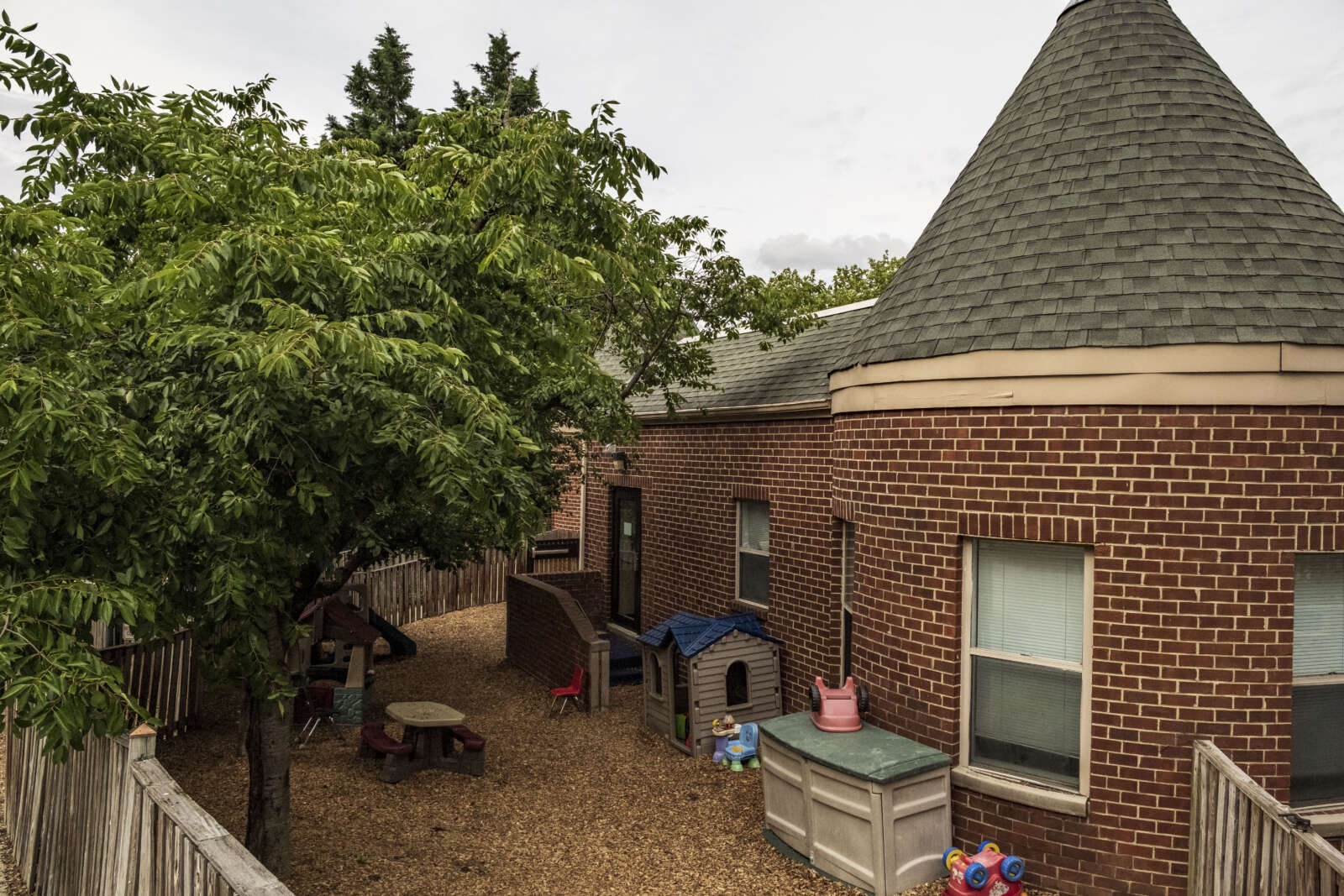
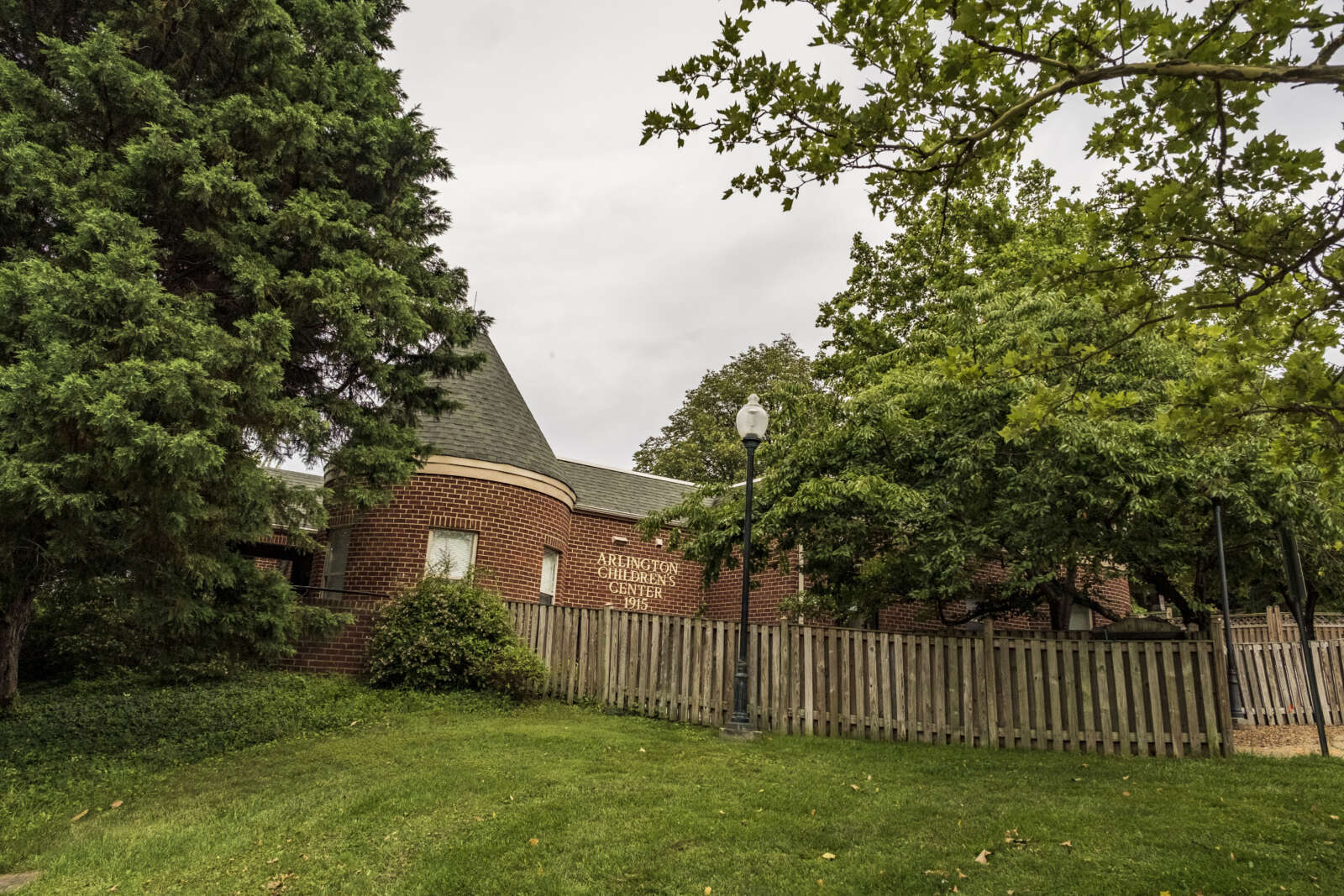
(Updated 5 p.m.) Arlington Children’s Center, a childcare facility that has operated in a county-owned building for 30 years, will close temporarily at the end of August.

Doors to the facility at 1915 N. Uhle Street, near Courthouse, will shut on Aug. 31, when the contract expires between Arlington County and the company operating the program, AA Daycare, according to Arlington County spokeswoman Jennifer K. Smith. The two could not reach an agreement to extend the contract ahead of major renovations slated for January 2022, she said.

AA Daycare has managed the program, which enrolled children of Arlington residents and county employees, for the last 17 years, according to owner Anna Wodzynska.

“This is a dramatic situation for all of us,” she said in an email to parents.

According to a letter to parents from the county, shared with ARLnow, the county and AA Daycare were negotiating an extension up until a week before the news of the closure. Parents were notified of the changing situation last Wednesday.

Parents tell ARLnow they are under immense pressure to find an alternative while childcare is in such high demand. One said this “is a herculean task given that most daycare centers in the area have waitlists of at least 6-9 months. If the county is serious about solving the childcare shortage issue, this decision is baffling.”

AA Daycare was notified about the planned renovations to the space, which has not been updated in 30 years, in January 2020, Smith said.

“We offered alternative space to AA Daycare to continue operations for the period of planned construction,” she said. “This offer, along with an option to extend the contract, was declined.”

Parents said they had heard about the upcoming renovations early last year. The county letter to parents said the planned improvements include reconfiguring the space to meet current standards for daycare and to reach compliance with the Americans with Disability Act, as well as an interior refresh.

“We started at ACC in January 2020 when our daughter was 4.5 months old,” said one mother. “Shortly after starting, I do remember receiving a flyer from the center detailing that, at some time, work would need to be done on the building… But it was not worrisome at the time, and it was certainly not presented in a way that the center would unexpectedly close forcing families to find new care within 6 weeks.”

Smith acknowledged the parents’ frustrations.

“We recognize this is short notice and have offered to assist parents as best we can — this was not the outcome we wanted,” she said.

Wodzynska, meanwhile, has assured parents that their children who are two-and-a-half years old and older will have a spot in a sister facility in Ballston, at 3850 Wilson Blvd. She said the transition “will be as smooth as possible,” with some staff transferring to BCC.

“The only consolation is that less than 2 miles away from ACC, we own another beautiful daycare called Ballston Children’s Center and we have space for all our children that are 2.5 years and older,” she wrote in the letter. “Unfortunately, BCC is not licensed for younger children, so we will not be able to enroll our youngest children.”

She declined to comment further on the closure.

(more…)


Facing high rates of pandemic-era apartment vacancies, Dittmar Company is looking to recoup its losses through short-term rentals.

The Tysons-based developer and property management group is asking the Arlington County Board for permission to convert up to 75 furnished apartment units in three Arlington buildings into flexible hotel rooms.

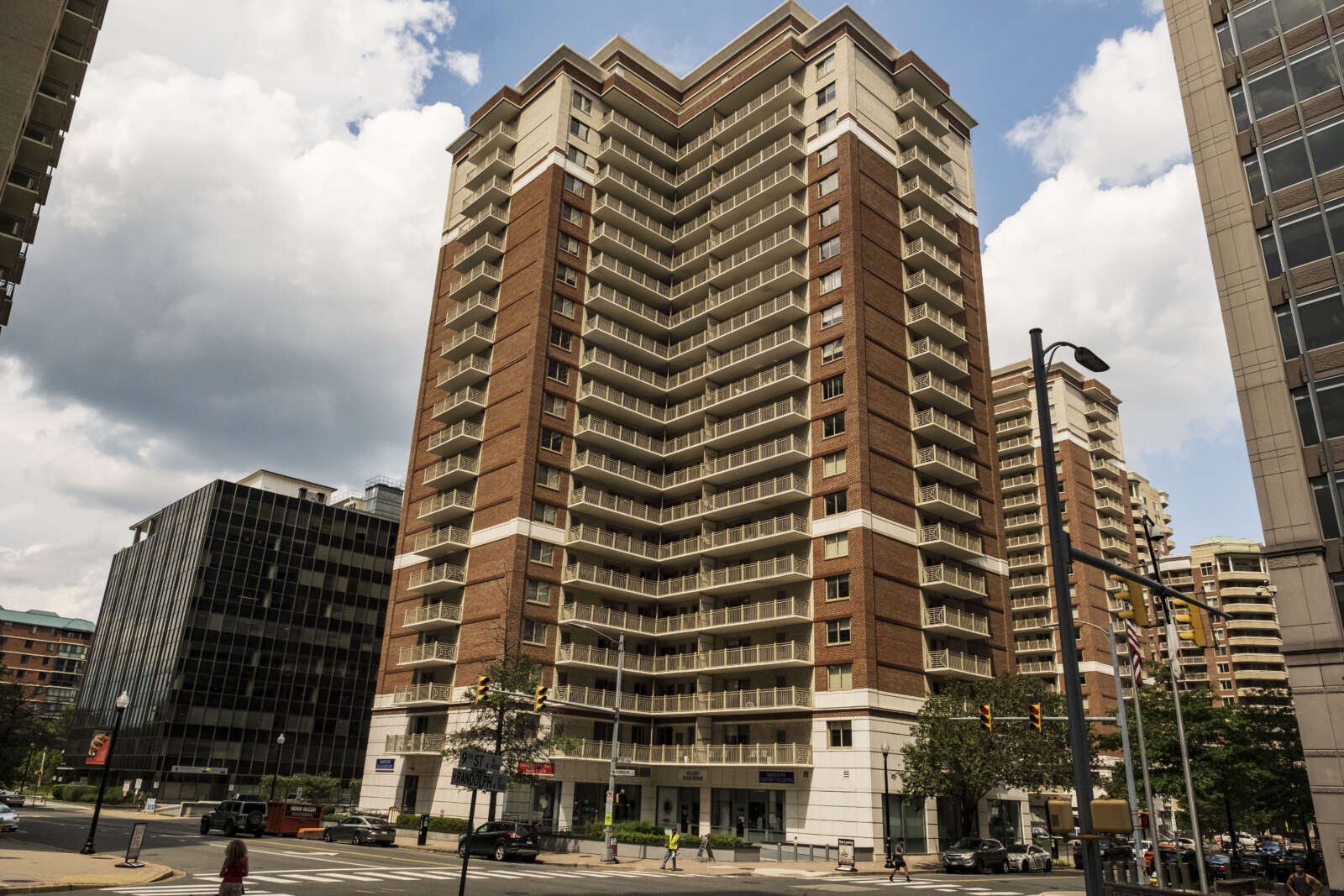
Randolph Towers in Ballston, Courtland Towers in Courthouse and Virginia Square Towers in Virginia Square will each have 25 units available as short-term rentals under the proposal.

These “Flexible Units,” which comprise less than 5% of the total units in each building, may be rented for short-term stays of fewer than 30 days or long-term stays of more than 30 days. Dittmar will require a minimum length of stay of at least three consecutive nights, and the units cannot be rented for more than 90 nights in a calendar year, according to a county staff report.

Currently, the furnished units are “rented by foreign embassies, corporations, universities, medical facilities, and other tenants desiring long term residential stays,” Nicholas Cumings, Dittmar’s legal representative, wrote in a letter to the county this spring.

They are “typically vacant for three months out of the year and require significant operational costs (i.e. provision of utilities, furniture, housekeeping facilities and housekeeping personnel, etc.),” said Cumings, an attorney with the land use firm of Walsh Colucci.

The new arrangement would allow Dittmar to offset the losses from when such furnished units are vacant, Cumings said. The conversions would be in effect for up to five years.

County Manager Mark Schwartz recommends the County Board approve the request during its meeting on Saturday. The County Board previously heard the requests in May and, following staff recommendation, deferred them to allow for more conversations and analysis, county staff wrote.

“Concerns have been raised by the community and Planning Commission regarding the potential impacts on housing affordability and the absence of County policy on temporary conversions of residential to hotel use,” the staff report said. “Since the Flexible Units may be rented by any individual seeking either a long- or short-term furnished stay, staff expects the temporary conversions to have limited, if any impact on the broader housing supply or rental rates.”

One resident told ARLnow he thinks this arrangement will lead to a spike in travelers in the building.

“Although they claim now to rent furnished units to institutional partners (like universities or embassies), I worry that Dittmar will seek to rent them on a day-to-day basis,” the resident said. “This will ruin the nature of communities that are primarily for long-term tenants. When we finally get through the pandemic and people can travel more freely, I worry that these buildings will become prime destinations for countless travelers.”

In his letter, Cumings wrote that Dittmar “has no desire to operate as a hotel and seeks the ability to rent their existing furnished units for short-term stays in order to offset the cost of vacancies throughout the year.”

The rental units will be a mix of one-, two- and three-bedroom units, mostly located on the lower floors, “with some premium furnished units located on the penthouse floors,” he said.

The County Board will be meeting in-person on the third floor of county government headquarters, at 2100 Clarendon Blvd in Courthouse. It resumed in-person meetings in June after switching to virtual meetings last year due to the pandemic.


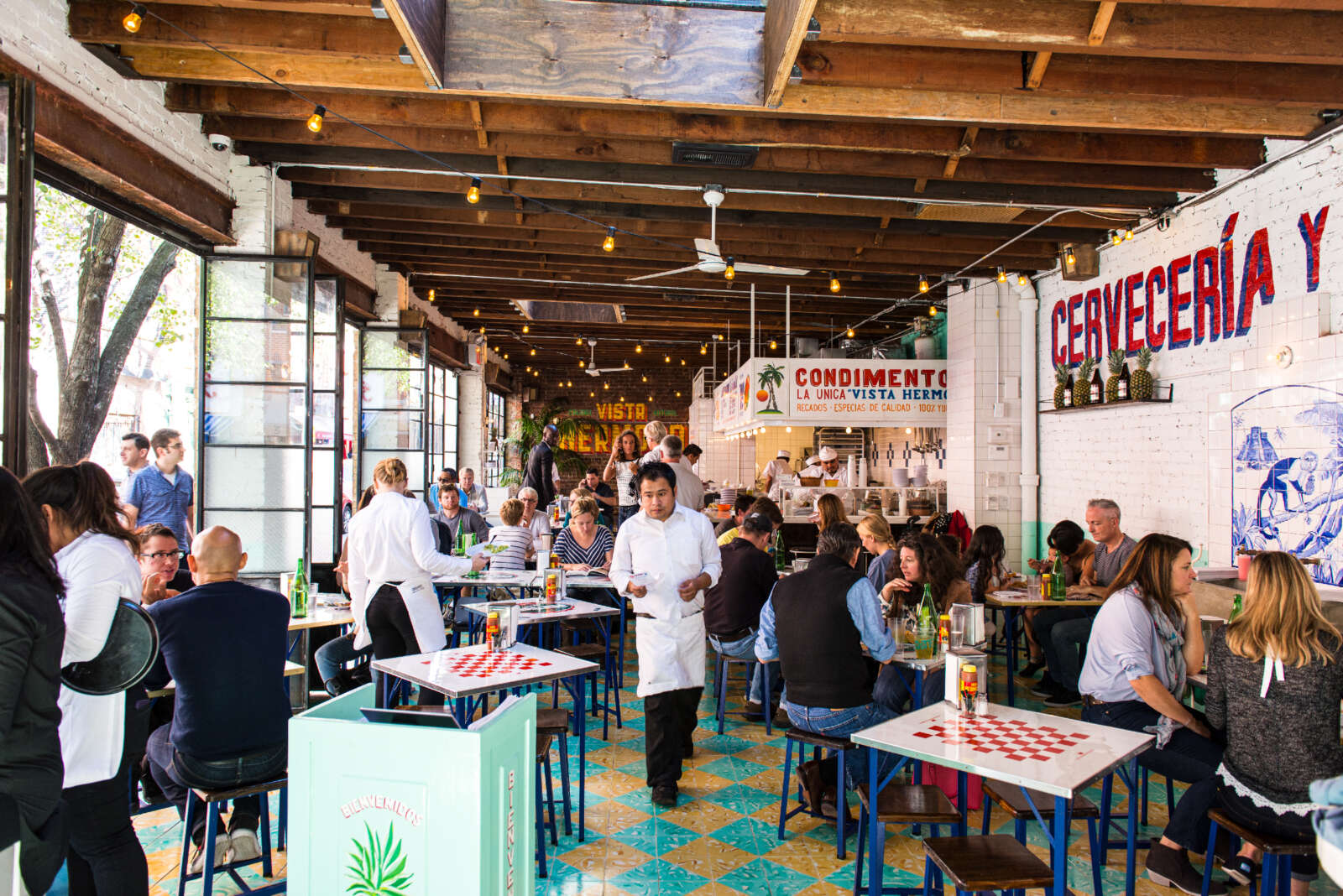
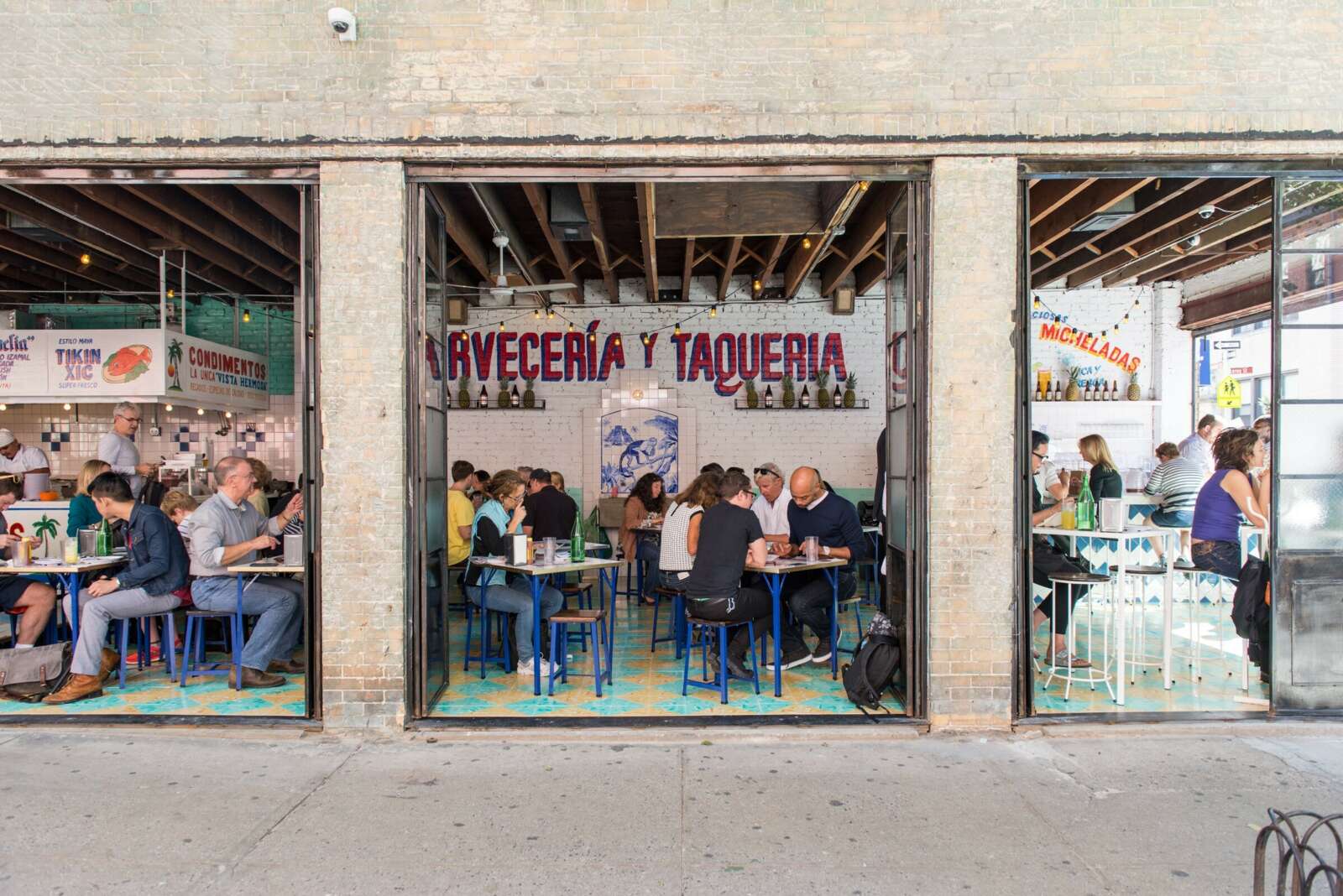
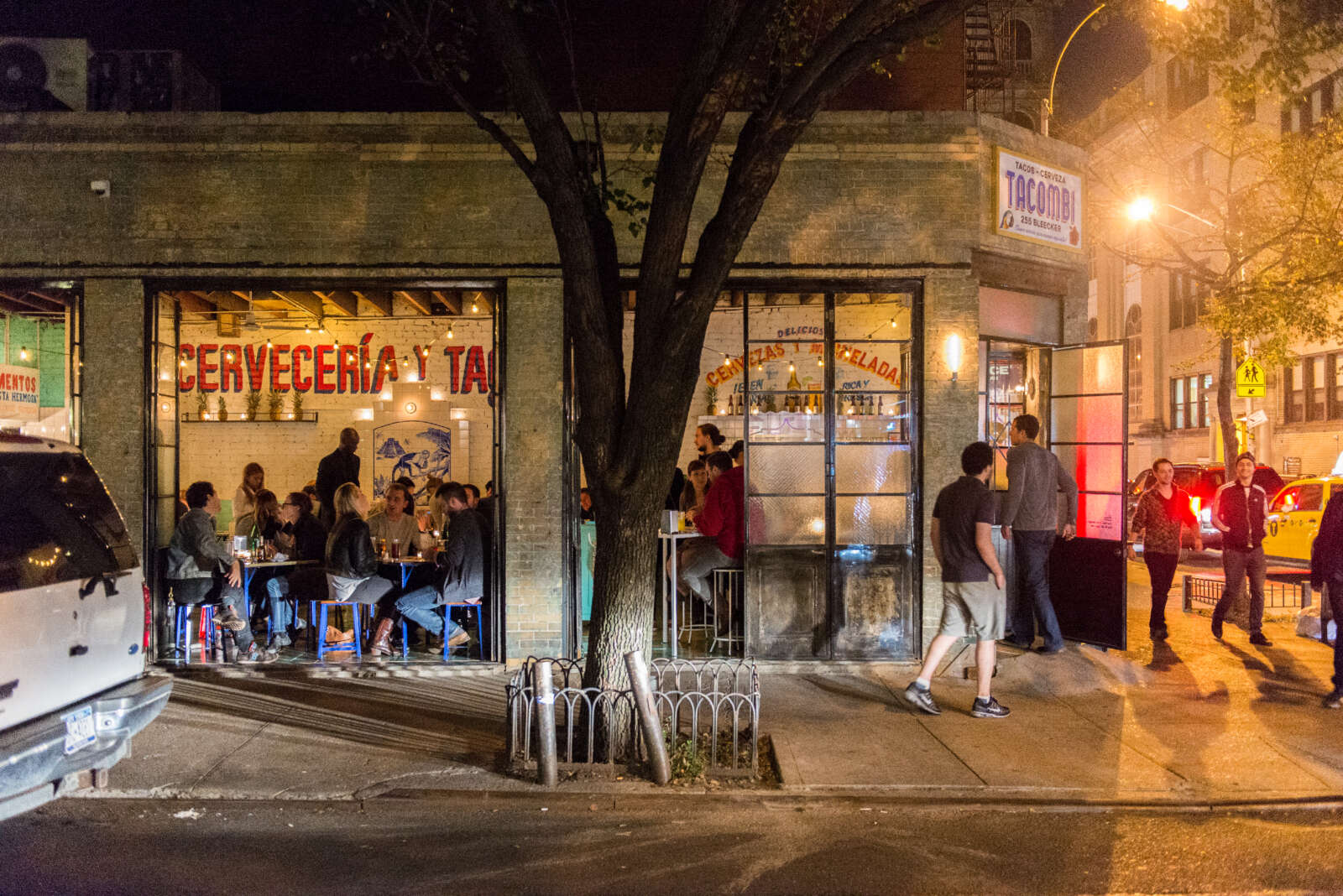
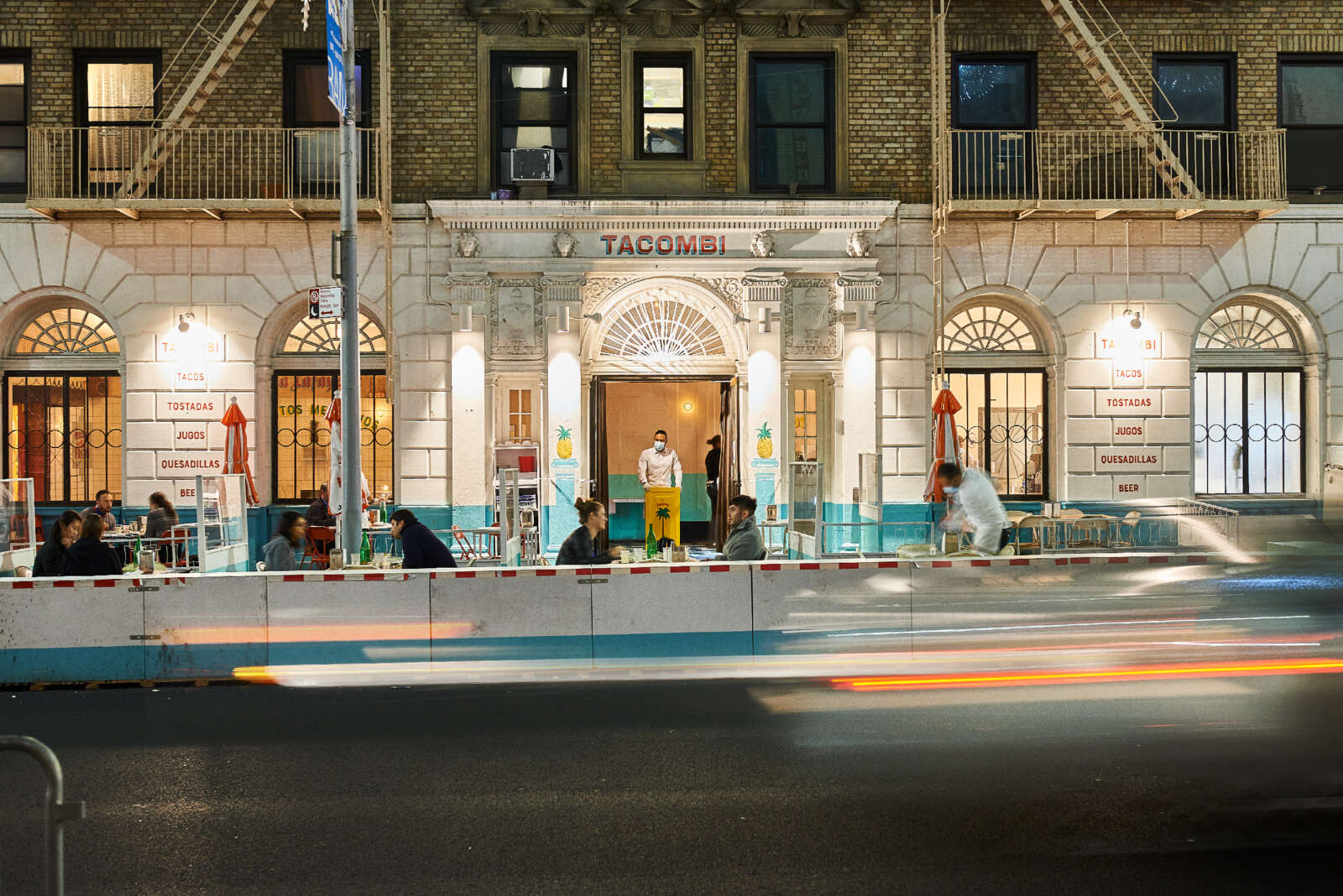
(Updated 10:35 a.m.) Tacombi, a New York City-based taqueria chain, is expected to open in Crystal City in a couple of months.

The new spot will be located in the revamped Central District Retail shopping plaza, also known as “Crystal Square.” This recently redone property at 1550 Crystal Drive, owned by JBG Smith, has attracted a number of other retail options that have opened already or are set to open over the course of the year.

A CVS opened in February and hit NYC bakery Mah-Ze-Dahr opened in mid-June. Another location of the boutique gym, Solidcore, is set to open in August, according to a spokeswoman.

A spokesperson for Tacombi said Thursday that it expects to open its 3,000 square-foot space in Crystal City in September.

“All of our taquerias are bright, open and airy spaces where guests can enjoy warm hospitality and a menu with selections from different regions throughout Mexico,” she said. “We look forward to bringing a little piece of this incredible country to our new friends in Arlington, and to swinging open our taqueria doors this fall.”

Tacombi got its start on the beaches of Yucatan, Mexico. The owner sold tacos from a Volkswagen Bus and eventually opened his first taqueria in the mid-2000s in New York City. Nine other locations have since opened in NYC.

These openings are happening amid a handful of other openings in Miami and Queens, the spokeswoman said. The taqueria will cement its presence in the D.C. area with a Bethesda location also set to open in September.

“We were drawn to Crystal City’s evolving identity and to its own journey from a largely-industrial zone in the sixties to today’s quickly developing community,” she said. “And while National Landing is part of a cosmopolitan world capital, it also maintains the neighborhood quality that best allows us to share authentic Mexican culture.”

The taqueria made headlines this year for its work during the pandemic feeding thousands of food-insecure New Yorkers.

Also coming to Central District Retail will be a thus-far unnamed grocery store, rumored to be a possible Amazon Fresh location. The store will be built in the existing office building at 1550 Crystal Drive, according to Arlington County.

“JBG SMITH declines to comment,” a spokesperson for the property owner said when asked about it yesterday.


The average square footage of an Arlington apartment appears to be increasing, according to a new study from RENTCafé.

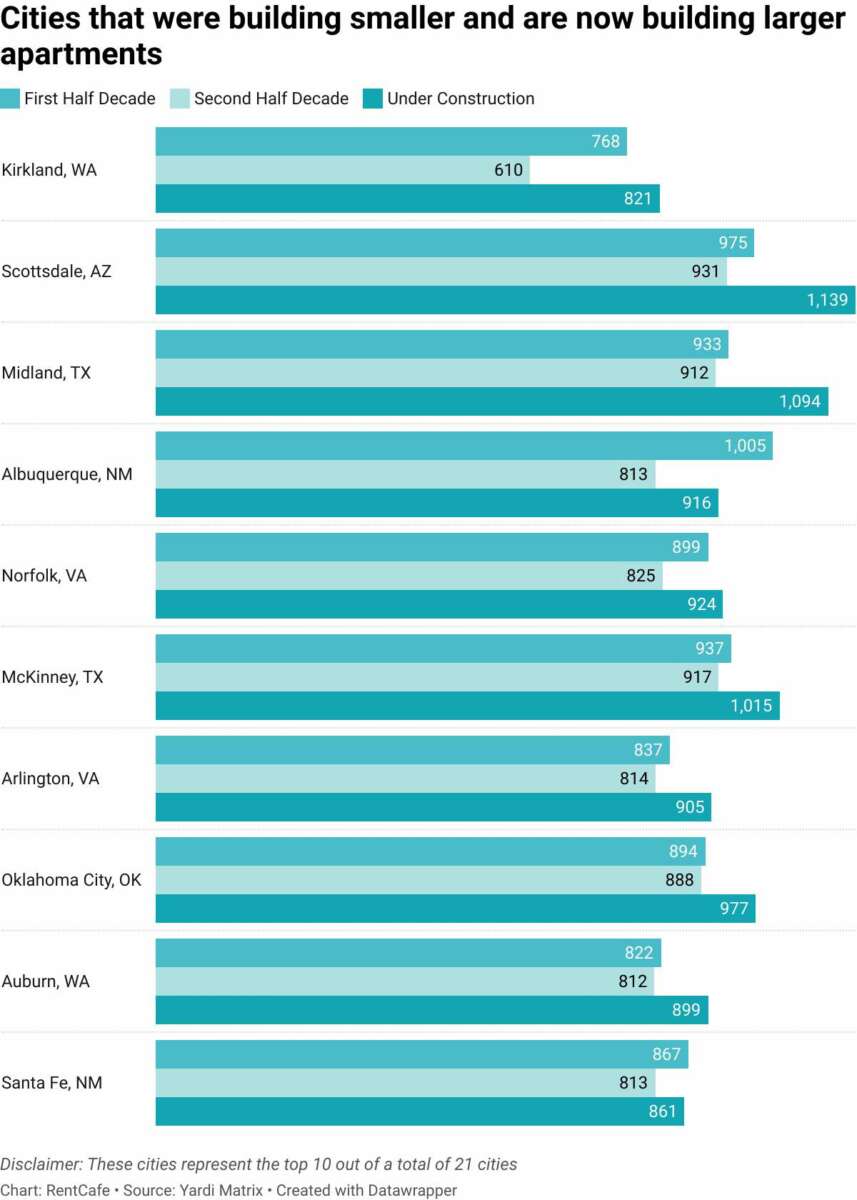
Among 92 cities and jurisdictions, more than one-third are building bigger apartments now than they did five to 10 years ago, according to the website, which follows trends in the apartment market. And Arlington County had the seventh largest jump in unit size between 2016 and 2021.

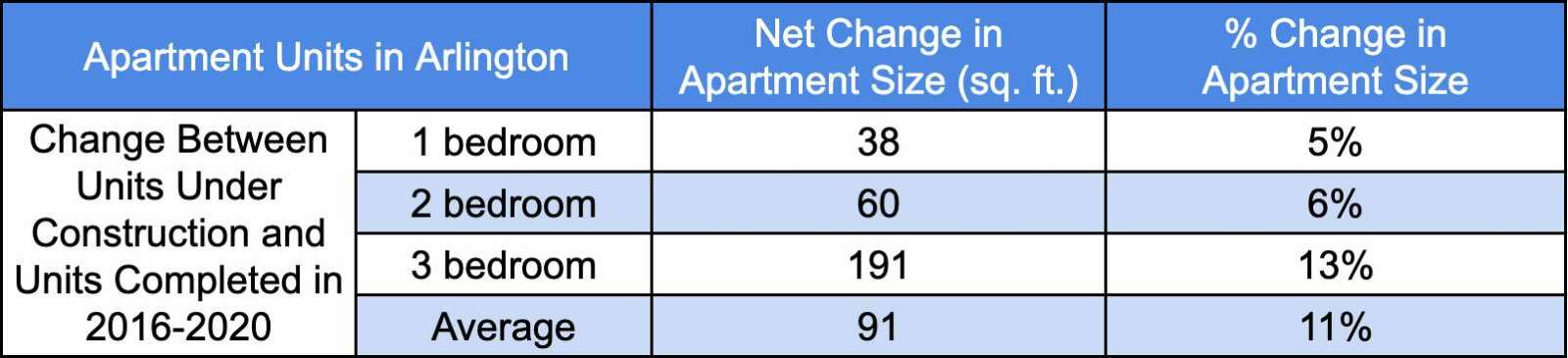
Compared to units completed between 2016-2020, in the second half of the last decade, those under construction as of May  2021 are 91 square feet bigger — “enough for a cozy home office or relaxation area,” RENTCafé spokeswoman Michelle Cretu said.

New projects in Arlington are embracing “renters’ living preferences following the pandemic,” she said. “After years of shrinking apartments, current projects… are on the track to give renters more square footage to better fit their new lifestyle.”

Localities that were building smaller apartments, and are now building larger (via RENTCafé)

And the extra size is being added across one-, two- and three-bedroom units.

“The share of 2- and 3-bedroom apartments under construction is similar to the overall stock and is not driving the increase in average size,” Cretu said.

RENTCafé’s data show apartment unit size increasing from 2016-20 to May 2021

Out of the 664 units that were under construction as of May, 61% are one-bedroom apartments, RENTCafé’s analysis found. Arlington County historically has had a high share of one-bedroom apartments, Cretu said, which comprised 54% of units delivered between 2011-2015 and 63% of those delivered in the second half of the decade.

Representatives from developers JBG Smith and Penzance, which are active in Arlington, were lukewarm on attributing this uptick to the pandemic.

“The renter profile in Arlington has changed over the past several years,” said John Kusturiss, Senior Vice President of Development for Penzance. “Apartments are no longer just for recent college grads; folks of all ages want to have the accessibility of an urban area to walk to great shops, restaurants, and more.”

JBG Executive Vice President of Development Bryan Moll said the people seeking larger rental units fall into a few categories: first-time renters seeking units that fit roommates, those constrained by “the limited supply of affordable, for-sale housing,” and new or growing families.

Moll did say JBG Smith is responding to the pandemic-era need for home offices and individual and co-working spaces. He added, however, that the company has found renters are willing to settle for smaller units to be nearer to amenity-rich corridors in the area.

“Submarkets like National Landing continue to evolve into even more vibrant destinations with enhanced neighborhood amenities and new employment opportunities,” he said. “As a result, more renters will want to live there, even if that means living in slightly smaller units. We’ve seen this trend play out over the past decade in most of the amenity-dense areas across D.C.”

RENTCafé observed shrinking apartments across the river in D.C., meanwhile. Current units are 23 square feet smaller than they were five years ago, and new rentals will be 721 sq. ft. on average — among the smallest units under construction, Cretu said.

Arlington County’s Department of Community Planning, Housing, and Development — which tracks development trends in Arlington — last reported apartment size trends, which are calculated by dividing the building’s total square footage by the number of units, in 2018. That report show more modest fluctuations compared to RENTCafé’s findings.

“Based on the most recent findings (2018), the average square feet per unit has not shown a significant increase,” a CPHD spokeswoman said.


Wearing a clock as a necklace for turning papers in late. Carrying a hose stuffed with sand and rocks for losing a flag.

These were two “alternative learning opportunities” or ALOs that one instructor in Arlington County Fire Department’s Training Academy allegedly prescribed to former firefighter EMT recruit Brett Ahern in one week for mistakes that he made.

Two months ago, Ahern cited these ALOs as examples of how he was unfairly targeted by the instructor and set up to fail, according to an exclusive report by Hagerstown TV station WDVM. He told the news outlet that the way he was treated during the academy last year made him anxious and unfocused. Even after an investigation, he said the hazing continued until he failed two tests and was dismissed.

A 54-page Human Resources report, shared with ARLnow, indicates that the fire department investigated Ahern’s claims last summer. The heavily redacted report identified firefighters and recruits who observed that Ahern specifically was yelled at, taunted and tasked with ALOs that no other recruit was given. It also found that five other recruits were occasional targets of the same instructor.

ACFD told WDVM and repeated to ARLnow that it is committed to making changes to each subsequent class recruit class. At least one change has been made since Ahern — part of the 78th class — failed out of the academy. Recruit Class 79, which graduated in May, did not have alternative learning opportunities, according to Lt. Nate Hiner, the spokesman for the department.

“The Arlington County Fire Department makes improvements each Recruit Class, building off lessons learned from previous classes,” Hiner said. “The ACFD has discontinued the use of ALO’s, ensuring that any supplemental training focuses solely on refinement and reinforcement of proper skills, techniques, and procedures that recruits will utilize as firefighter/EMT’s protecting the community.”

Previously, Fire Chief David Povlitz told WDVM that if a recruit made a mistake during training, an instructor would make time for these so-called ALOs, which are “meant to reinforce learning and they have to be approved by high-ranking officers.”

But according to the newly-shared HR report, multiple witnesses who were interviewed during the investigation said that the two ALOs that Ahern was given during his “Hell Week” — wearing the clock and carrying the heavy hose — were beyond the pale.

One recruit said the hose in particular — punishment for losing a flag, or guidon — was “straight up bullying.”

“When [recruits] lost the guidon before, they were given the ‘ghetto guidon,'” one interviewee said, “but when Recruit Ahern lost the guidon, he was given” this heavy hose, which the speaker called “an impossible guidon.”

The report said other interviewees “opined that this ALO, although warranted, was orchestrated by [the instructor] to ‘break’ Recruit Ahern.” They added that “the ALO would have been handled differently had it been assigned to another recruit.”

Aside from these ALOs, multiple independent witnesses said the instructor was vocal about his belief that Ahern did not deserve to be in the academy, and that he would yell — or at least would raise his voice — at Ahern in front of his peers.

Five witnesses confirmed that the instructor had Ahern accompany another recruit who asked to retrieve his sunglasses. On their return, the instructor said the recruits were two minutes late and the class had covered “a lot of material.” He told the recruits that he hoped their next test would cover this missed information, adding, “I hope you f— fail it!”

(more…)


(Updated at 9:45 a.m. on 7/8/21) Three water “elements” will be the focal points of the planned park space at PenPlace, the second phase of proposed Amazon’s HQ2.

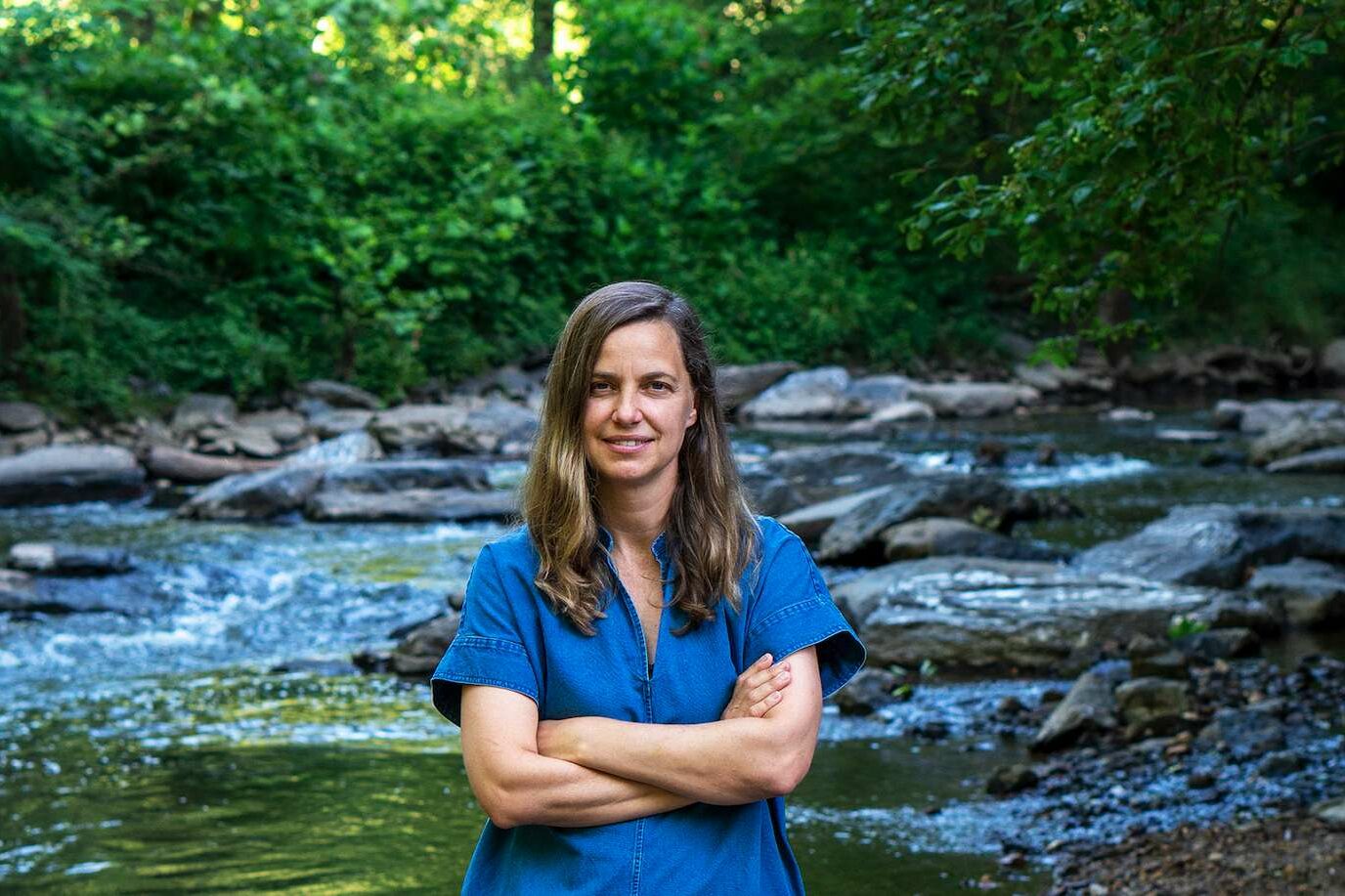
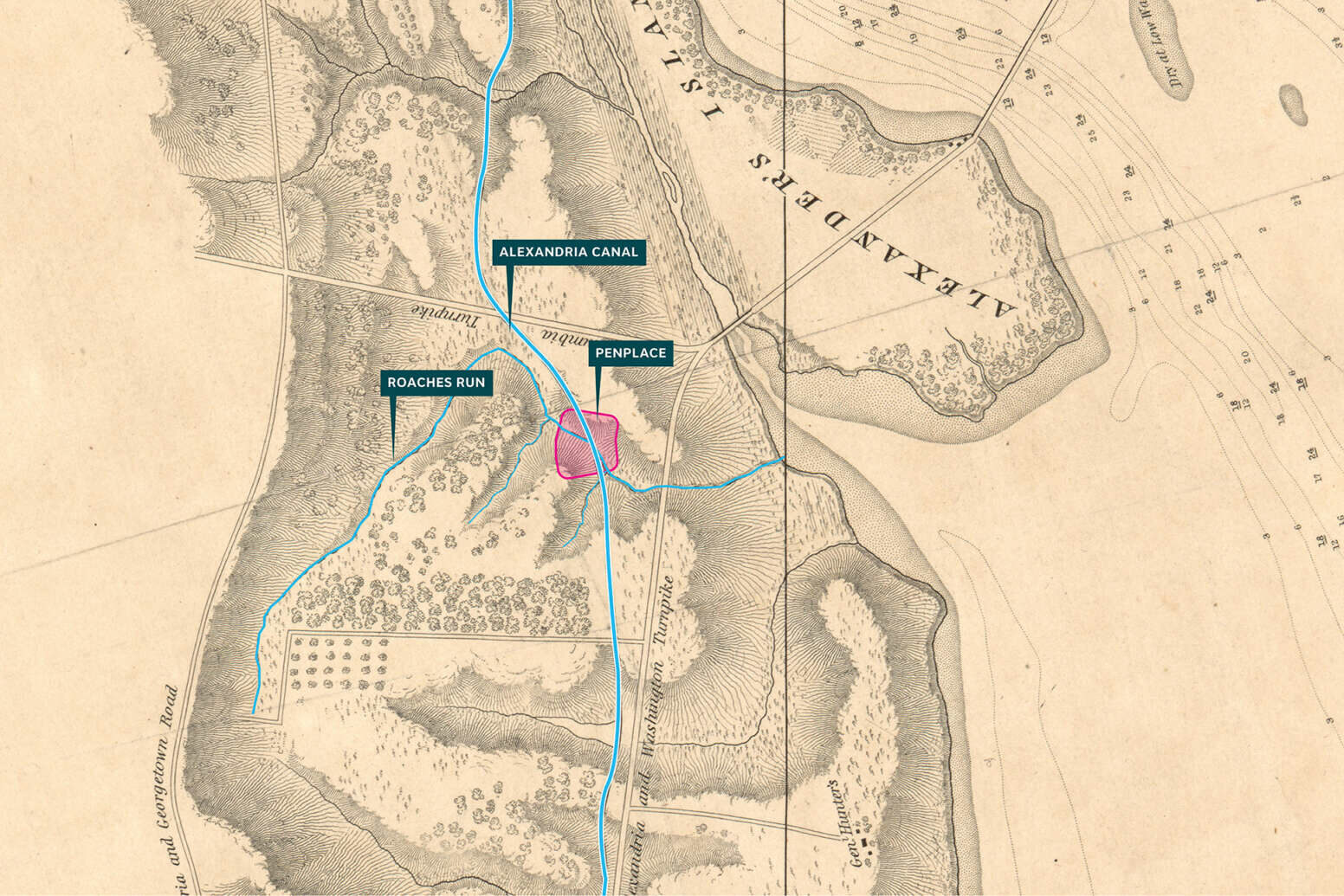
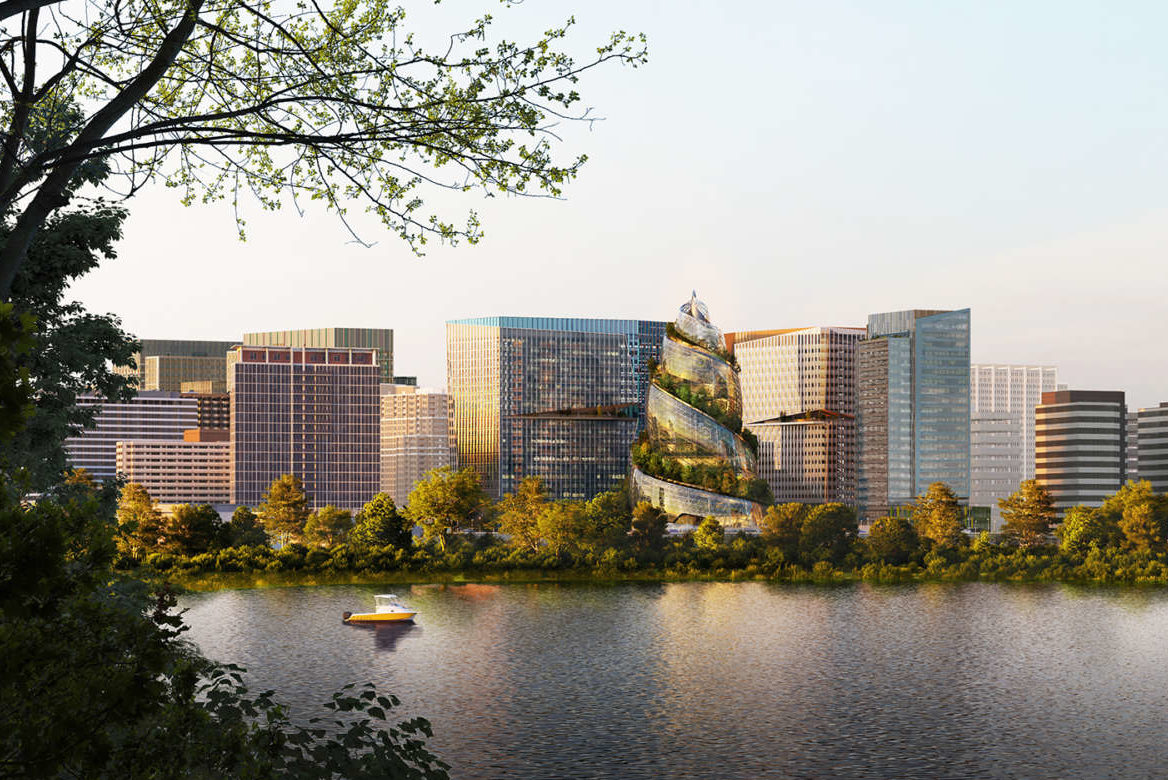
And Kate Orff, the landscape architect designing this park, is drawing her inspiration from Roaches Run and the historic Alexandria Canal, as well as the churning waters of Great Falls Park and the sylvan streams of Rock Creek Park.

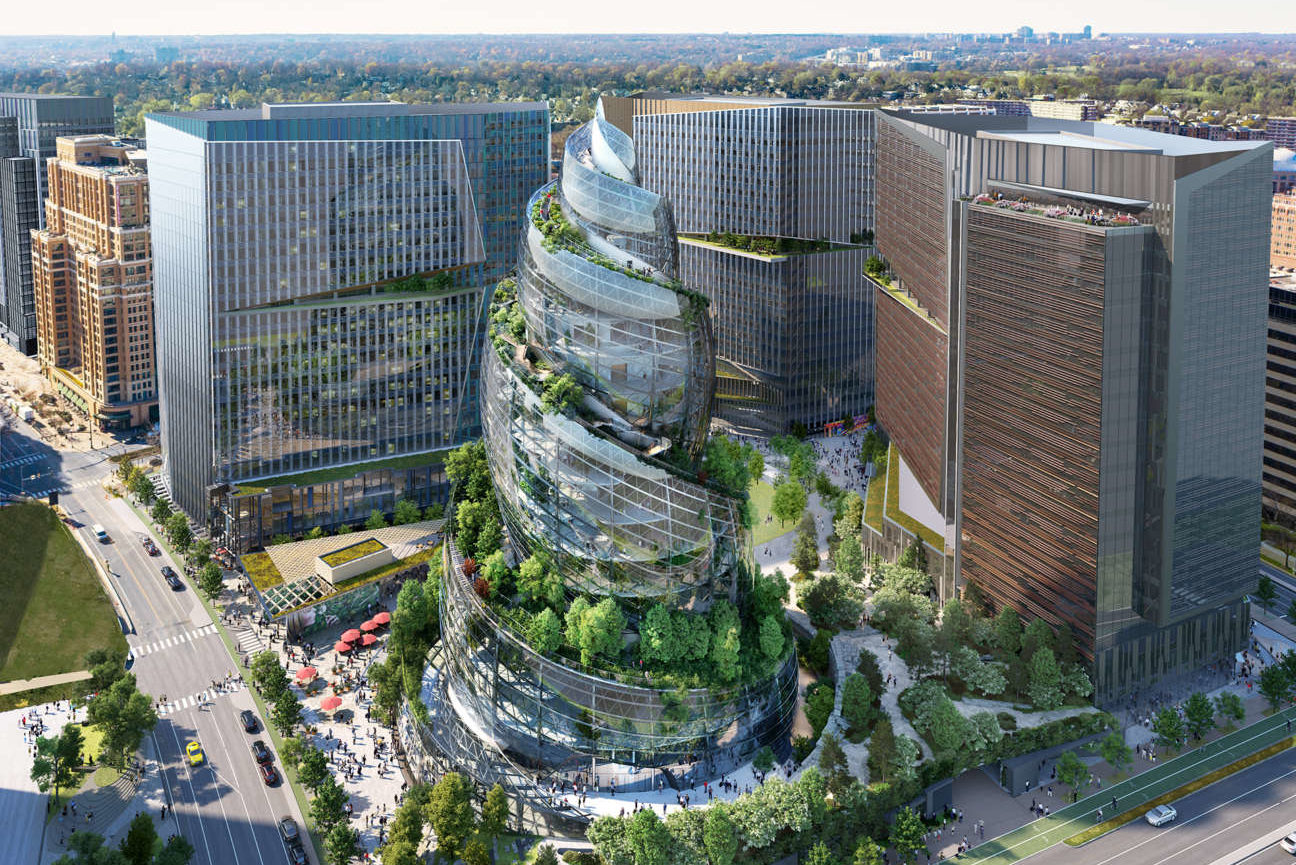
The park at PenPlace will run north-south through the 11-acre site situated at the intersection of Army Navy Drive and S. Eads Street. PenPlace will be anchored by a lush, futuristic building, dubbed “The Helix,” and feature three, 22-story office buildings with ground-floor retail.

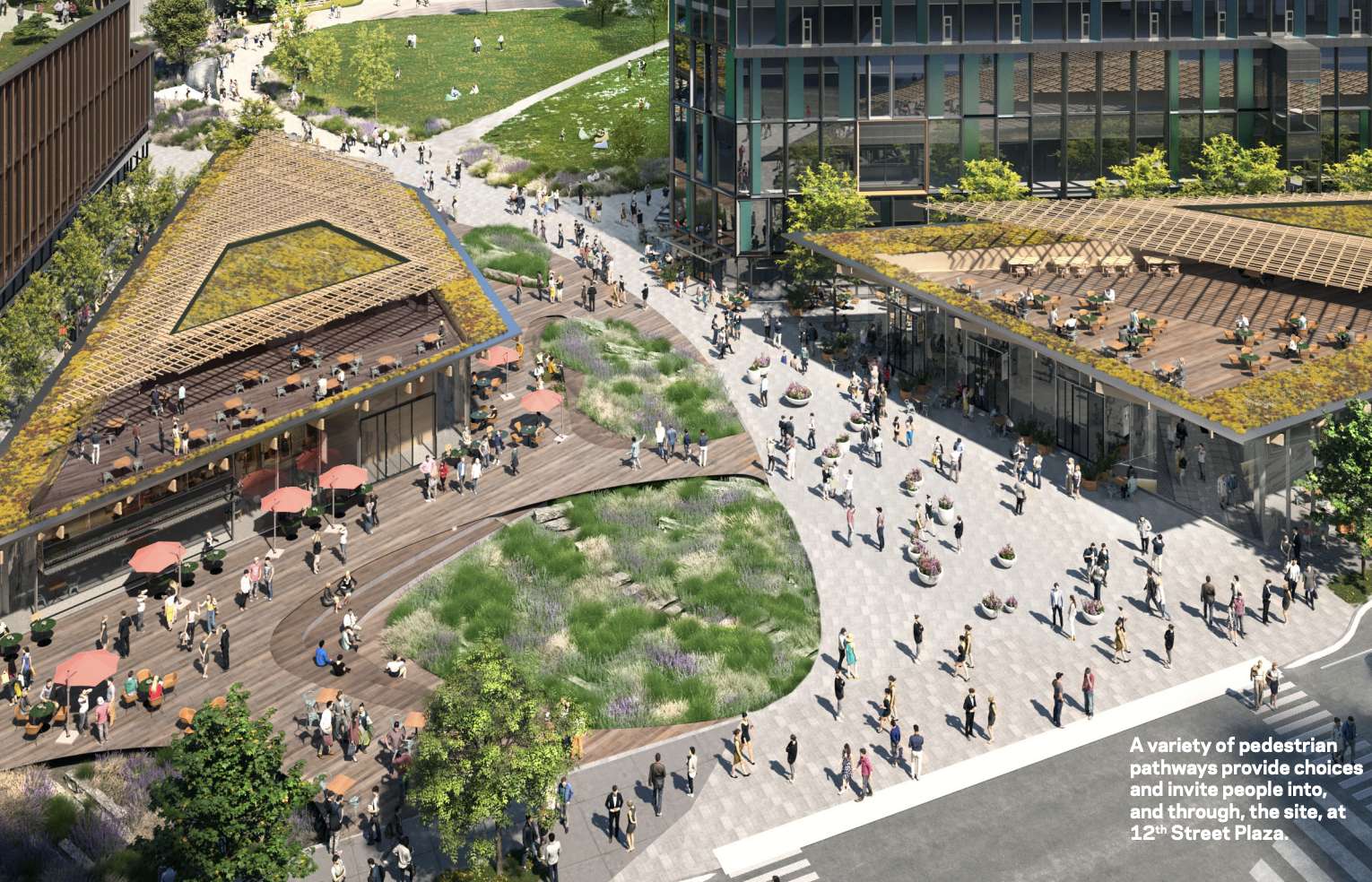
Orff said aspects of the waterways inspiring her will come together to form three distinct “water moments” throughout the 2.5-acre park, said Orff, the founder of SCAPE — a landscaping design firm — in a new video.

This video was published today (Wednesday) in a blog post, along with pictures of her proposed designs and of the waterways that captured her imagination. These designs are not yet finalized.

“In homage to the historic hydrology of the site and local waterways in nearby Rock Creek Park and Great Falls Park, SCAPE’s design incorporates water features on a north-to-south axis across the park, interpreting the natural elements of cascades and streams at a human scale,” the blog post said.

PenPlace’s grounds will be publicly accessible and compliant with the Americans with Disabilities Act, the blog post said. Throughout the 2.5 acres, visitors will be immersed in “botanical experiences” incorporating “beloved local ecosystems.”

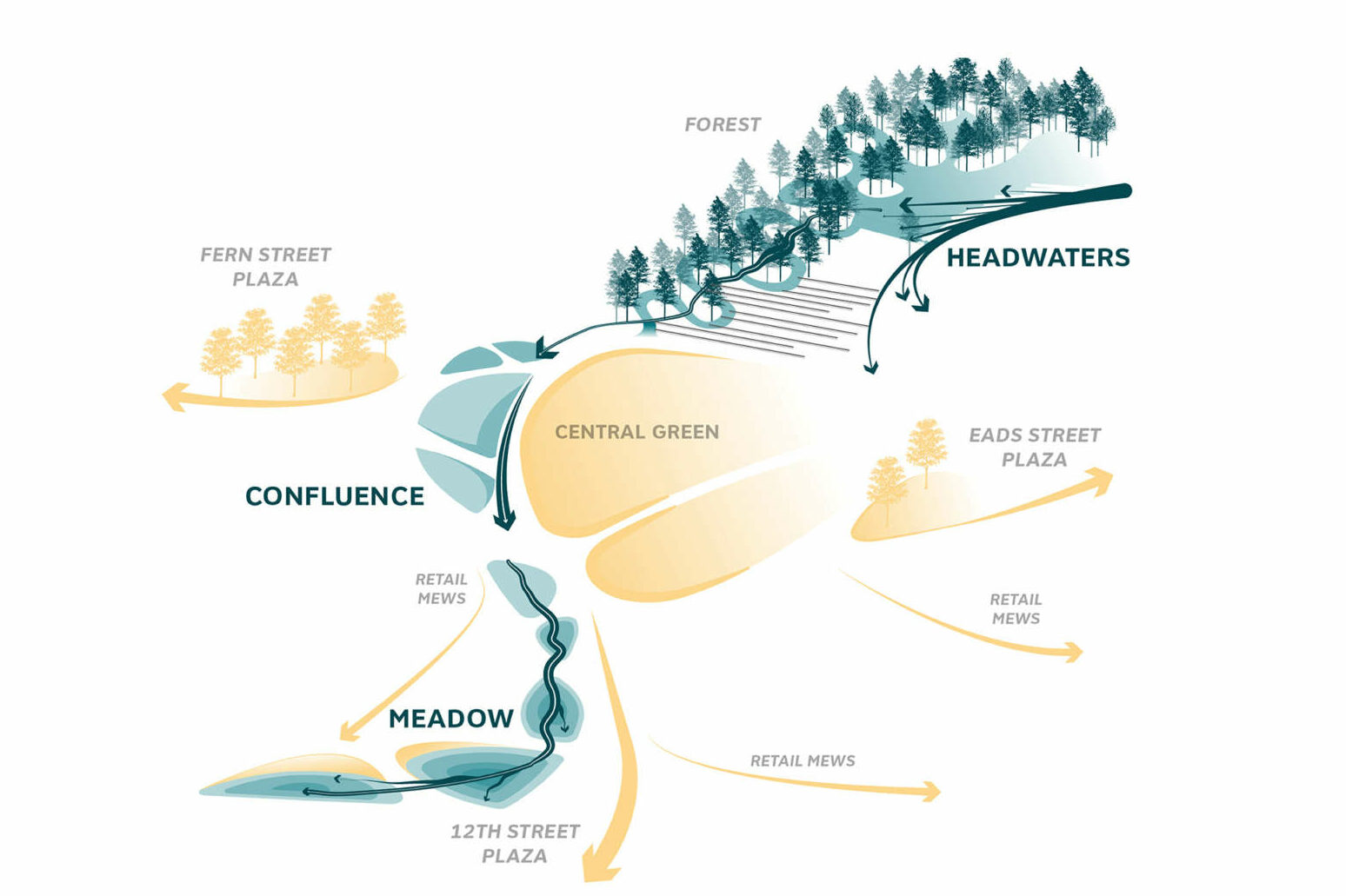
There will be three water elements: a “Headwaters” fountain at the northern end of the site, creating a cooling climate in the forest plaza. There will be a central confluence next to a green where people can gather. Finally, there will be a stormwater meadow that will filter stormwater and serve pollinators. (An earlier version of this article incorrectly stated the three elements will be connected via a river.)

The grounds will pay tribute to the forests and meadows of the mid-Atlantic that these waterways nourish. For Orff, the project allows her to tap into her roots.

“I’m from this area, so I have a deep love for the mid-Atlantic region, and the Appalachian cove forests, the Blue Ridge Mountains, the tributaries of the Potomac,” said Orff, a Maryland native and University of Virginia graduate, in the video. “We’re going to try to bring a magnified version of these ecosystems into this park at HQ2. It will feel different. It will feel special. It will feel unique.”

Orff added that the park grounds are designed to connect to existing Arlington County parks.

“Restoring ecosystems, creating immersive ecological spaces and a vibrant public realm, carving out habitat, creating an inclusive process driven by a community vision — the concepts behind PenPlace’s design are all part of our DNA as a firm,” Orff said in the blog post. “We’re excited to bring Arlington a true community park anchored in the local ecologies that make this place unique.”

The planning process for PenPlace kicked off in March.

Meanwhile, Amazon officials previously said that construction of the first phase, Metropolitan Park, continues on-schedule. This phase will feature a public park.

Video courtesy Amazon, edited by Dana Munro


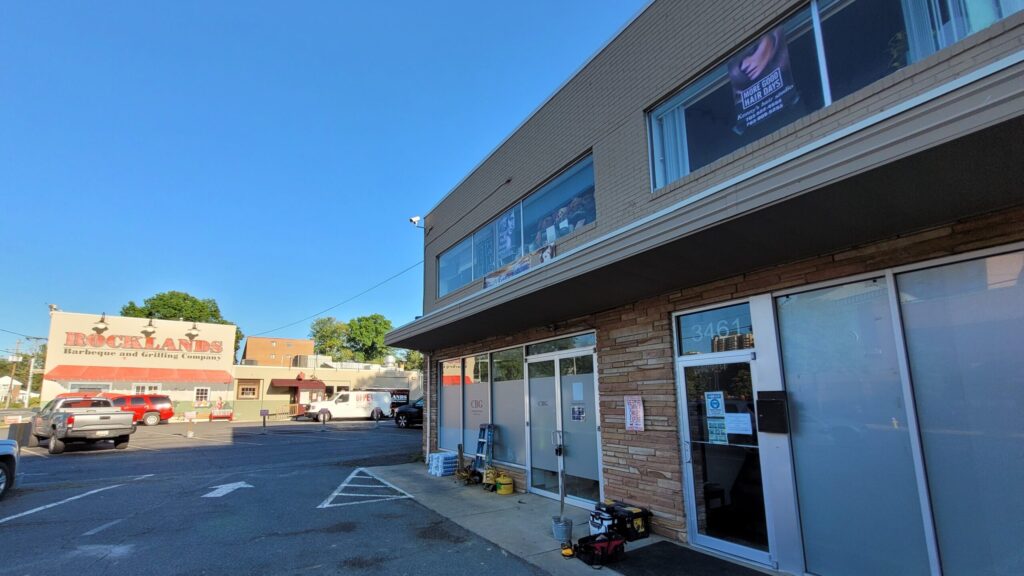
Rocklands BBQ and adjacent buildings (courtesy of Arlington County Department of Environmental Services)

Arlington County just became the first jurisdiction in the Commonwealth to use a private sector financing program to help local businesses go green.

The county and the state’s first business to get a clean energy boost is Rocklands Barbeque and Grilling Company, which recently had loans approved through a new county program to pay for upgrades to its roof at 3471 Washington Blvd in Virginia Square, as well as the installation of solar panel systems on two nearby properties. The work will likely be complete in October.

The systems “will lower our utility bills and reduce greenhouse gas emissions, which is aligned with our overall sustainability goals of reducing our carbon footprint on the environment,” said Rocklands owner John Snedden, adding that the financing kept them from using operating funds. “That’s the right thing for our business, customers and community — a win-win-win.”

Financing for Rocklands’ project and others is available through the Arlington Commercial Property Assessed Clean Energy (C-PACE) program, launched in 2018, which matches building owners seeking to make sustainability improvements with private capital providers who can finance them. Arlington’s C-PACE program is one of many nationwide, and is administered by the Connecticut-based Sustainable Real Estate Solutions.

“Arlington continues to develop innovative solutions to help make our community more sustainable,” said County Board Chair Matt de Ferranti. “C-PACE is such a solution: It both advances several goals in our Community Energy Plan and is the first of its kind for our small business community and new commercial developments. We’re thrilled to announce this step forward.”

Scott Dicke, who directs the Arlington C-PACE program, called the Rocklands solar financing a “historic first for Arlington and the Commonwealth.”

There are a few other applications in the pipeline that may be evaluated but may not get financed, said Department of Environmental Services spokesman Rich Dooley.

“There are myriad reasons for this,” he added. “We are hopeful that this first project to go to closing shows other property owners in Arlington and around the Commonwealth that C-PACE financing is a real financing option.”

Rocklands obtained 100% financing, or $125,000 through Arlington Community Federal Credit Union.

“We are proud to support Rocklands in their sustainability efforts and to finance the first of many C-PACE partnerships in Arlington,” said Jim Wilmot, the bank’s chief lending officer.

Building owners can obtain financing for up to 100% of the hard and soft costs associated with improvements related to improving energy efficiency, switching to renewable energy and increasing water conservation.

Meanwhile, developers can get up to 20% of a new building’s total eligible construction costs financed, provided the proposed building exceeds certain energy performance codes.


Arlington County is looking to restart an initiative aimed at helping condominium owners stay in their condos that was halted by the pandemic.

The Condominium Initiative, which is part of the county’s Housing Arlington program, is focused on strengthening condo associations. A series of workshops this fall will include information on when capital improvement assessments should be performed and who should do them.

“We are currently working with the City of Alexandria, with whom we had co-sponsored the previous workshops, to schedule more events,” said Elise Cleva, the acting spokeswoman for Arlington’s Department of Community Planning, Housing and Development.

County staff involved with the Condo Initiative are considering some ideas such as small loans to help low- and moderate-income and elderly condo owners pay for repairs and assessments.

“No specific program has been developed and no funding source has been identified,” Cleva said. “Instead, staff is focusing on outreach at this time, with a goal of becoming more familiar with the issues that are of greatest concern for condominium developments; particularly those that are considered ‘affordable’ homeownership.”

Condo affordability and safety have been on County Board member Christian Dorsey’s radar since 2019 — but the issues have been on the back-burner due to other Housing Arlington initiatives, such as the ongoing study of “Missing Middle” housing stock, which will examine how Arlington can increase the supply of townhomes and duplexes, among other issues.

Dorsey tells ARLnow the county needs to get the ball rolling on its condo initiative if it wants to get ahead of problems that are bound to befall aging condos later on. The issue took on a greater sense of urgency after news broke of a condo building collapsing in the Miami area late last month.

Dorsey said he is not worried about a disaster of that scale happening in Arlington, but he is worried about deferred maintenance. Condo owners are responsible for regular assessments and for maintenance, but when the costs become too great, the work often gets put off. Eventually, it compounds, he said, and people opt to sell rather than fix their building.

“I think it’s an emerging problem — one thing that doesn’t reveal itself to you until it becomes catastrophic,” Dorsey said.

In 2016, the county sent surveys to 134 condo association contacts. Of the 16 that responded, 11 were deemed “potentially affordable,” with sale prices less than $500,000. According to a survey summary, one building was less than 20 years old and three were less than 50 years old, and the most common capital needs were aging or deteriorating roofs, structural issues and old mechanical systems.

At the time, however, the 16 respondents expressed “minimal interest” in workshops or technical assistance, and only one development said it did not have the money to make repairs, the summary said.

“These results suggest the need to intensify efforts to contact condo associations and engage them in identifying needs and interests and planning for a program of services, activities and financial assistance,” the summary said.

But conditions have changed since that survey, Dorsey said. Over the last couple of years, the County Board has received a growing number of accounts of deferred maintenance in certain condo communities, a trend that he predicted will continue as wages stagnate and fees climb.

He added that the work should start now because sustainable solutions will require federal policies, which could take a few years to hammer out, he said. The board member said he wants monthly fees and assessments to be tax deductible just as interest on mortgages for homes is tax deductible.

“The reason I think the federal government has a role here is first, equity — not disadvantaging by homeownership type — and second, the level of government subsidy that would be required is significant,” he said.

Federal low-interest loans — such as those done during natural disasters — could also help condo associations pay for assessments, he said.

(more…)


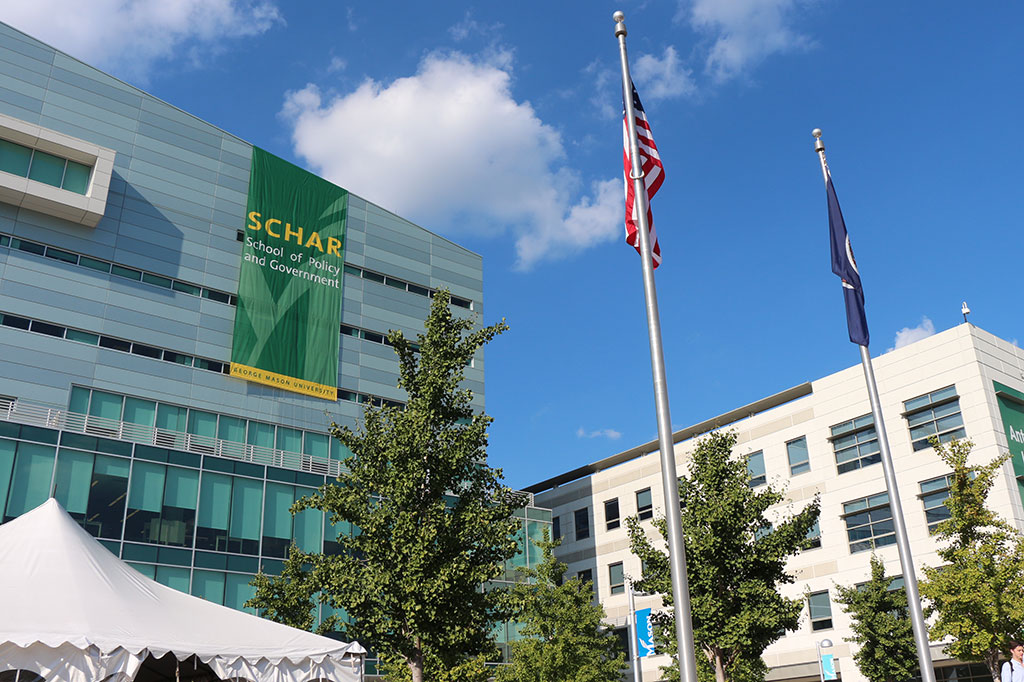
Amid a local surge in opioid-related overdoses, George Mason University announced its Arlington campus will now house a $20-million, 5-year program studying opioid addiction.

GMU is part of a network of a dozen universities and research institutions that have been studying substance abuse across the U.S since 2019 with funding from the National Institutes of Health. Most of the campuses in the NIH’s Justice Community Opioid Innovation Network (JCOIN) conduct research, but GMU’s center has a different focus.

This center takes all that research and communicates it to local and state justice systems and community-based treatment providers, according to NIH. It also funds and researches ways to reach local and state corrections departments, sheriff’s departments and correctional healthcare agencies.

Now, the center will be nearer to the Center for Advancing Correctional Excellence!, which oversees the opioid research center.

“JCOIN is an exciting research enterprise to address the problems of substance abuse among individuals in the justice systems,” said Faye S. Taxman, who leads both centers. “The new location will help us continue break new ground in building the next generation of workforce scientists and clinicians in a field that is vitally important to society.”

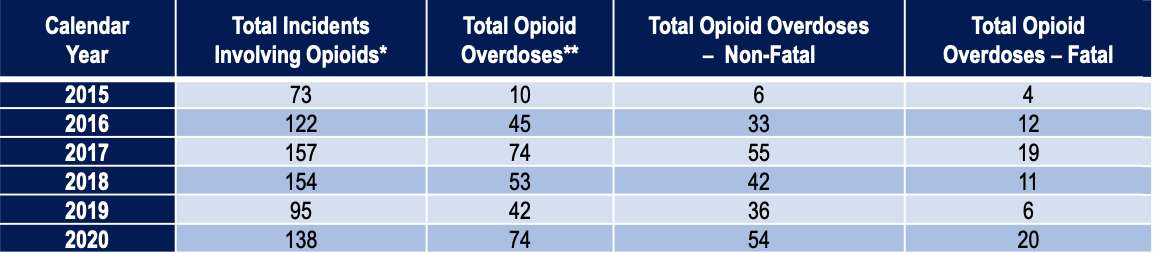
Over the last year, opioid-related overdoses have ticked up in Arlington County. According to an annual report from the Arlington County Police Department, police investigated 74 fatal and non-fatal overdoses in 2020, the same as were reported at the peak of the opioid epidemic in 2017.

That trend appears to be continuing in 2021. Last Tuesday, ACPD sounded the alarm on heroin and fentanyl-laced prescription painkillers after it investigated three overdoses in one day — two of which were fatal. As of last week, first responders have administered nasal Naloxone, also known as Narcan, 31 times to reverse an overdose.

“While the investigation into these incidents revealed no direct evidence that the increases are fueled by the COVID-19 pandemic, it is likely a factor given the timing, the loss of income and jobs and the isolation of stay-at-home orders,” the ACPD annual report said.

Opioid overdoses in Arlington County (via ACPD)

Arlington County received more than $1 million in state and federal grants in January to help fight the opioid epidemic with more staff and treatment options, as well as more Naloxone kits. Meanwhile, the county is fighting back in the courts, suing pharmacies and businesses that it alleges are key players in the epidemic.

Meanwhile, GMU is working to expand its Arlington footprint, with a new building at 3401 Fairfax Drive in Virginia Square, where the old Kann’s Department Store used to be.


View More Stories